There are people who make style feel as easy as breathing.
Their homes feel collected rather than decorated. They know exactly which coat to throw over a simple outfit, which hotel to book, which chair belongs in the corner of a room, and exactly what lipstick to wear to give their look a final pop.
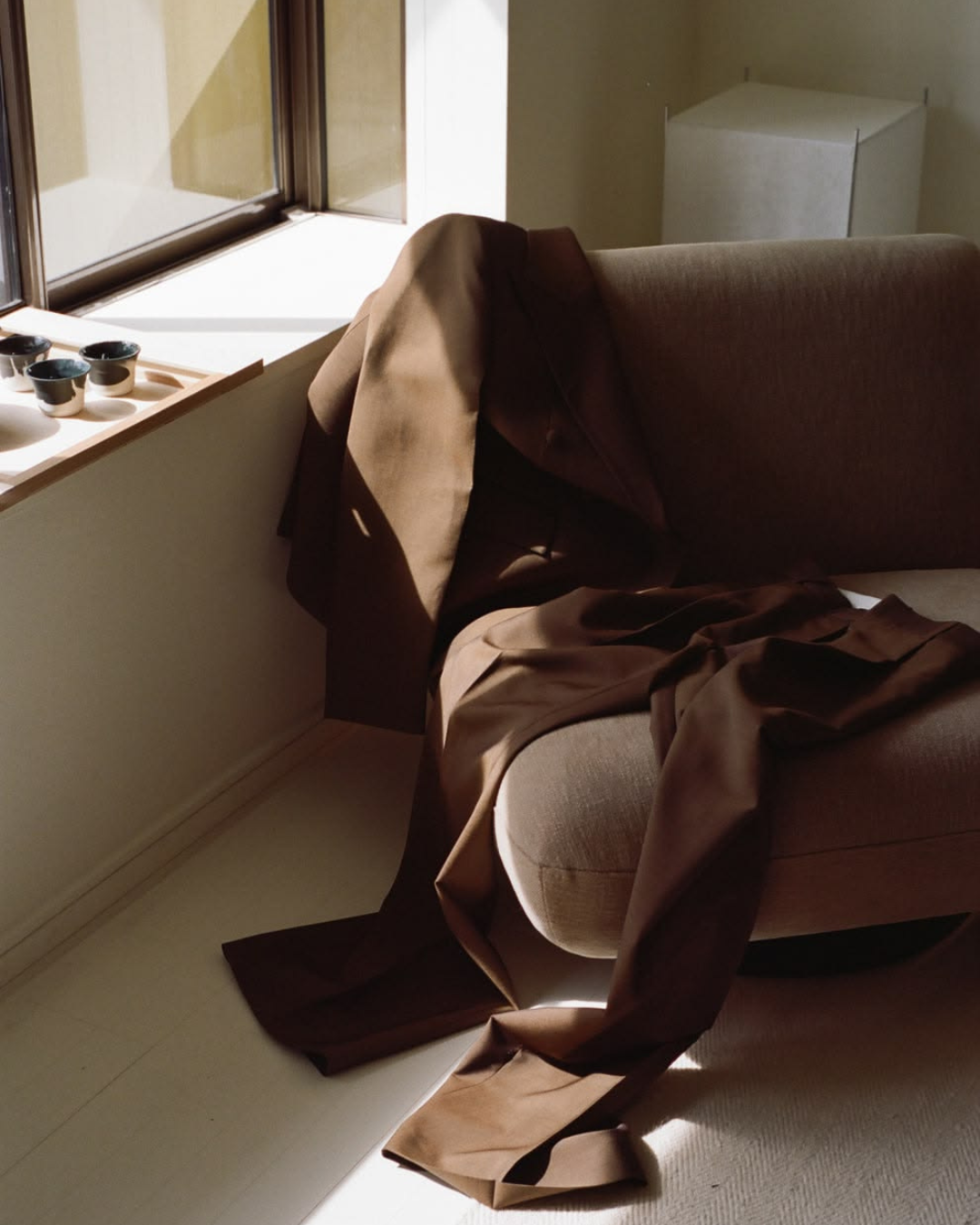
Image Source: Pinterest - Róhe
For these unicorn beings, nothing appears overworked, yet everything seems to belong. You get the sense that, given ten minutes in any antique market or furniture showroom, they’d walk away with the one piece everyone else somehow overlooked.
Then there are those who have developed style through practice. Maybe it doesn’t come instinctively always, but they’ve worked hard to develop and articulate their sense of style.
They save images, collect inspiration, trawl Pinterest boards, follow tastemakers and slowly begin to recognise the patterns. Their style hasn’t arrived by chance. They’ve cultivated it, decision by decision, until what once felt difficult now feels intuitive.
And then there’s a third group - the people who feel like a fish out of water and completely disconnected from the language of style. They walk into a furniture showroom and see hundreds of options that all look much the same and they can’t understand why one outfit looks effortlessly balanced while another doesn’t.
They often describe themselves as having “no eye” or “no style” at all, convinced that everyone else has been given a rulebook they somehow missed.
As an interior designer, it’s this last conversation I hear most often.
It’s a curious thing to say, because we rarely talk this way about other forms of knowledge. No one assumes they’re born knowing how to cook, speak another language or play the piano. Yet when it comes to personal style, many of us seem convinced that taste is something bestowed upon a fortunate few and forever out of reach for everyone else.
It made me wonder whether a taste gap really exists or whether we’ve misunderstood what taste actually is.
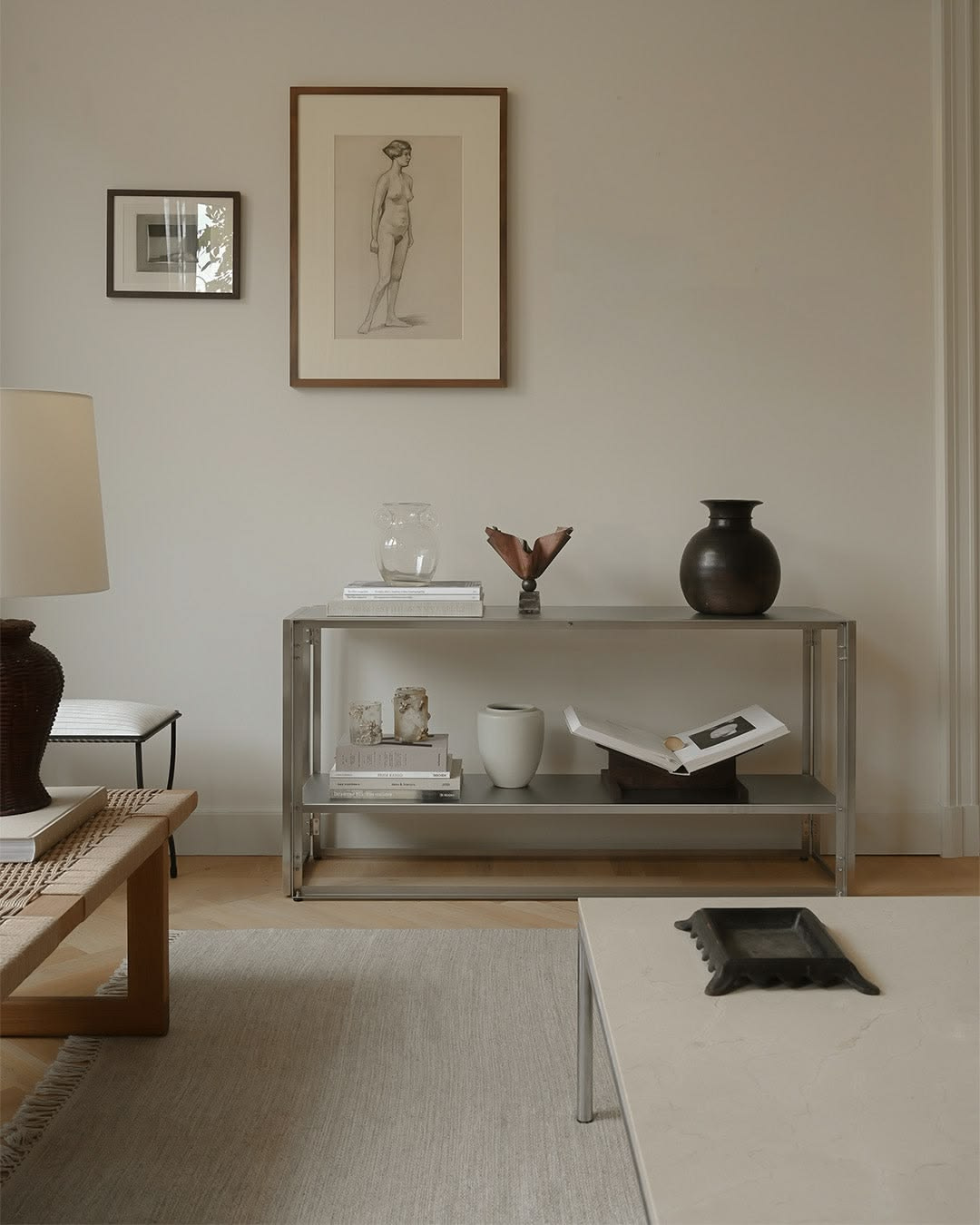
What is good taste, really?
The word itself has become surprisingly tangled because we tend to use it as shorthand for expensive homes, fashionable wardrobes or an ability to keep pace with whatever aesthetic currently dominates social media. In reality, taste has very little to do with any of those things.
Taste is discernment.
It’s the ability to recognise harmony before you can necessarily explain it. To understand what makes something look and feel ‘just right’ often, through proportion, balance, restraint and atmosphere. Style is simply to sense when something belongs and, just as importantly, when it doesn’t.
That’s why two people can have completely different aesthetics and both look extraordinary.
One lives among clean lines, pale oak and minimalist simplicity while another may fill their home with books, collected ceramics and layers of colour accumulated over decades.
Neither approach is inherently better, or more tasteful than the other because style has never been about arriving at the same destination. It’s about creating a world that feels incredibly cohesive. It results in a feeling of, ‘it just works’…
And maybe that’s the hard thing about style - ‘it just works’ can mean no boundaries and no clear rules to follow which can make understanding and developing it a trial and error process.
Can personal style be learned?
Psychologists have spent decades exploring why some people appear naturally drawn to beauty, art and design. There is evidence that traits such as curiosity and openness to experience, influence the way we engage with aesthetics, but there is no evidence that good taste itself is inherited. What often appears to be instinct is something far more ordinary and, thankfully, far more attainable.
Exposure.
People with exceptional style have usually spent years looking. Not scrolling, but looking.
Some people are lucky enough to have been born into an environment where style has surrounded them from day one. Others have to find their unique interpretation of what style is to begin with. Either way it starts with witnessing.
Designers sometimes refer to this as training your eye.
It’s a phrase that deserves to exist well beyond creative industries because it captures something many of us overlook. An eye for beauty isn’t fixed. Like a palate for food or an appreciation of music, it becomes more refined through exposure. The more thoughtfully we observe the world, and the types of styles we want to move towards, the more confidently we begin to navigate it.
Develop personal style by training your eye
Perhaps that’s why developing personal style has so little to do with shopping and far more to do with curation and paying attention to how ‘things’ work well together.
The people with the most distinctive homes are rarely those who buy the most. They’re often the ones who edit the most carefully. They understand that a room doesn’t become more beautiful because it’s full - it becomes more beautiful because every object belongs. The same is true of a wardrobe, a garden, a beautiful table setting - the list goes on and on…
Good taste is composition.
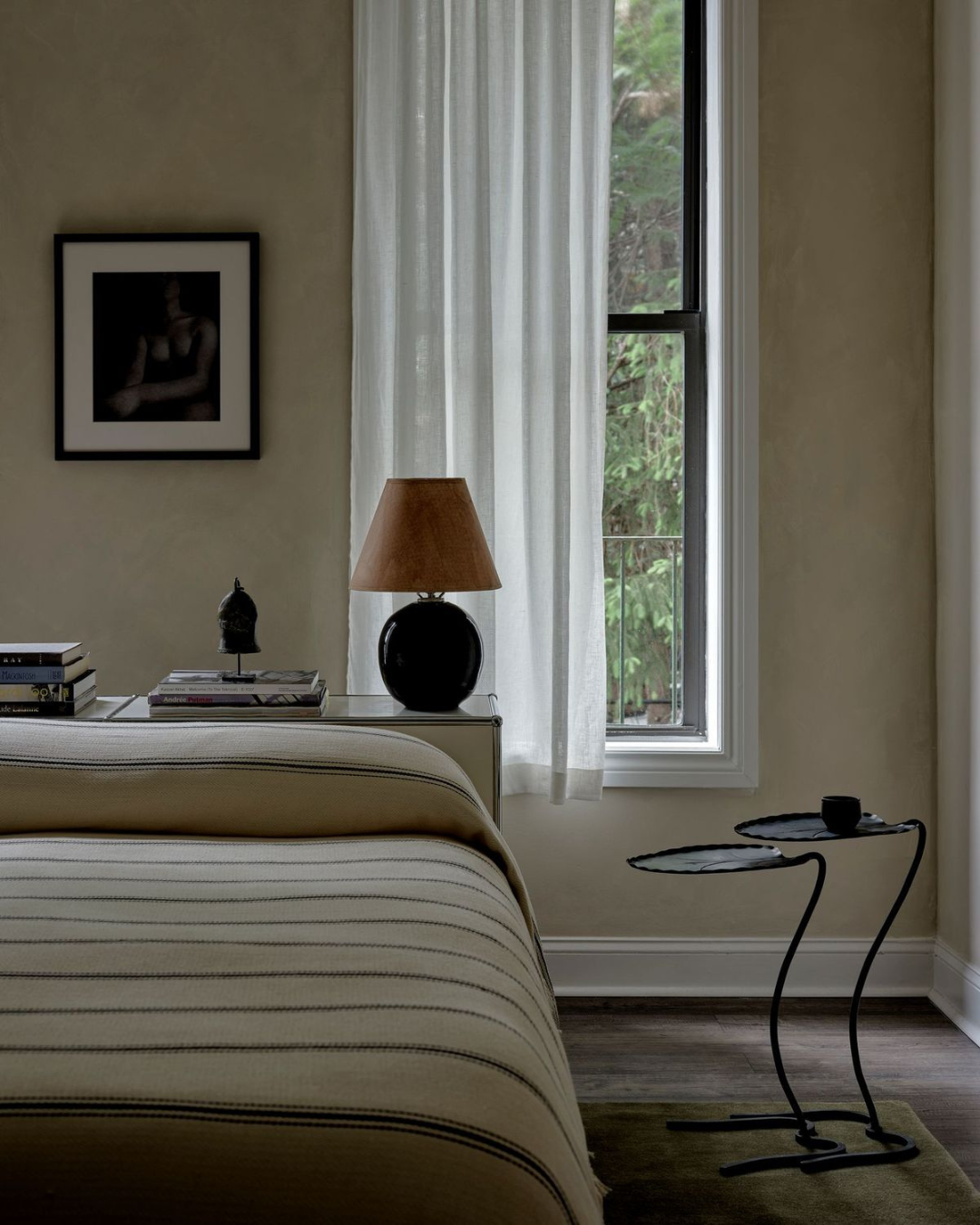
Image Source > Pinterest > Nordic Knots
Why personal style matters more than we think
This is also why style matters far more than we sometimes like to admit.
The environments we create shape our daily experience in ways that are both subtle and profound. A calm bedroom encourages rest and a considered workspace supports focus. Clothing that feels authentically ours removes countless small decisions from the day. Style isn’t simply decorative - it influences how we move, think and feel.
Learning to develop personal style then isn’t an exercise in becoming more fashionable, it’s an exercise in becoming more observant.
Spend time in beautiful places without feeling the need to buy anything. Visit galleries, walk through thoughtfully designed hotels, cafes and restaurants, read books, marvel at great architecture, fashion, landscape and art. Instead of asking whether you like something, ask yourself why it works. Or why it doesn’t. The question itself begins to sharpen your eye.
Eventually you’ll notice something unexpected. Your style was never missing, it was simply waiting for your attention to catch up with it.
The real taste gap
Perhaps that’s the real taste gap.
Not between people who have style and people who don’t, but between those who have spent years cultivating their eye and those who are only just beginning.
The encouraging part is that observation can be learned, discernment can be refined and taste can be fostered.
I actually think style refinement is much the same as personal development.
It’s an ongoing process of paying closer attention to yourself - what you value, what makes you feel calm, energised or inspired, and how you want to move through the world. Just as we continue to grow emotionally and intellectually throughout our lives, our aesthetic evolves alongside us. It becomes less about following trends and more about nurturing a visual language that feels increasingly honest, considered and entirely your own.
Once you begin to see style through this lens, you’ll find yourself creating it almost everywhere.
Join Mode
If you enjoyed this read, you’ll feel at home with MODE—our weekly editorial perspective exploring interiors, beauty, psychology and the art of refined living. Each edition is thoughtfully composed to help you cultivate a more beautiful home, a more considered personal style and a richer everyday life through design, observation and intentional living.
Subscribe to MODE and join the conversation - delivered to your inbox weekly on a Sunday.