A holistic look at beauty, aging, and surroundings — and why longevity is a lifestyle, not just a skincare routine.
Image Source: Pinterest - charlee
Anti-aging has become one of the most charged phrases in modern beauty.
It sits on bathroom shelves, inside serums, across clinic menus and throughout the language of wellness, promising prevention, correction, firmness, radiance and repair.
However, while skincare has become the face of modern longevity, the science of ageing well tells a much broader story - one that reaches beyond the bathroom cabinet and into the way we eat, move, sleep and live.
So if longevity is a lifestyle rather than a product, then our homes, and how we live, also deserve to be part of the conversation.
I’ve created a list of simple swaps that can be implemented over time - they are a holistic, beauty-responsive way to approach aging with grace, care and glow. To skip the philosophy section, scroll down to the full list below. Or, to understand why this matters more than ever, keep reading about how this shift could be an exciting and liberating approach to feeling younger for longer.
Is aging a flaw we need to manage?
Many of us have been duped.
It begins with a well meaning duty of care to ourselves. A simple desire to feel well, look rested, protect the skin and maintain a sense of self through the natural changes of life. And hey, I am here for it. Beauty rituals can be grounding, intelligent and deeply personal. But unfortunately, sometimes they can come at a cost.
We are navigating an industry where ingredient lists are increasingly difficult to interpret, and where questions around endocrine disruptors, unnecessary synthetic additives and long-term cumulative exposure have left many people rethinking what they choose to put on their skin. The irony is hard to ignore - in the pursuit of health and longevity, some of the very products marketed as self-care may deserve far greater scrutiny.
The problem is not skincare or looking after yourself in ways that enrich and uplift. The problem is the suggestion that aging is something to be managed as a flaw.
For all its innovation, the anti-aging movement often asks people to enter into a strange relationship with time. Every line becomes a signal, every change becomes a correction point, and every birthday carries an instruction to do more, spend more and monitor more.
What begins as self-care can easily become self-surveillance, and the emotional effect of that is rarely discussed with the same enthusiasm as the products themselves.
This is where the conversation deserves to mature.

Aging is not the opposite of beauty.
And, it is not a failure of discipline, a loss of relevance or a slow departure from style. Aging is evidence of life, and the most compelling question is not how to avoid it, but how to meet it well.
How do we stay strong, clear, engaged, mobile, nourished, creative, socially connected, visually inspired and of course, beautiful, until the day we die?
How do we build a life that supports the body, steadies the nervous system and makes the experience of growing older feel less like decline and more like depth?
This is the shift from anti-aging to longevity.
And longevity, in its most intelligent sense, is about living better for as long as possible. It takes into account the quality of the years, not just the quantity of them.
It belongs to the everyday architecture of a life - food, movement, sleep, stress, relationships, light, air, purpose, beauty and environment.
Which means the home is not only a backdrop to longevity, it is one of its most powerful settings.
The longevity lifestyle begins at home
We often talk about longevity through the body with keywords such as protein, walking, strength training, sunlight, sleep, supplements, stress and blood markers.
But the body does not exist in isolation, it’s environment responsive.
It lives, wakes and eats somewhere. It rests, recovers, argues, gathers, thinks, mothers, fathers, works and sleeps somewhere.
The home is where most longevity habits either become easy or fall apart.
A kitchen can make nourishment feel beautiful and accessible, or it can become a place of clutter, convenience and poor choices.
A bedroom can support deep rest, or it can hold the visual noise and artificial light that keeps the body alert.
A living room can invite conversation and togetherness, or it can be arranged entirely around passive consumption.
A bathroom can become a place of ritual and care, or a cabinet of constant correction.
The longevity home is not about creating a perfect house but it is about creating an environment that supports and enriches your every-day life.
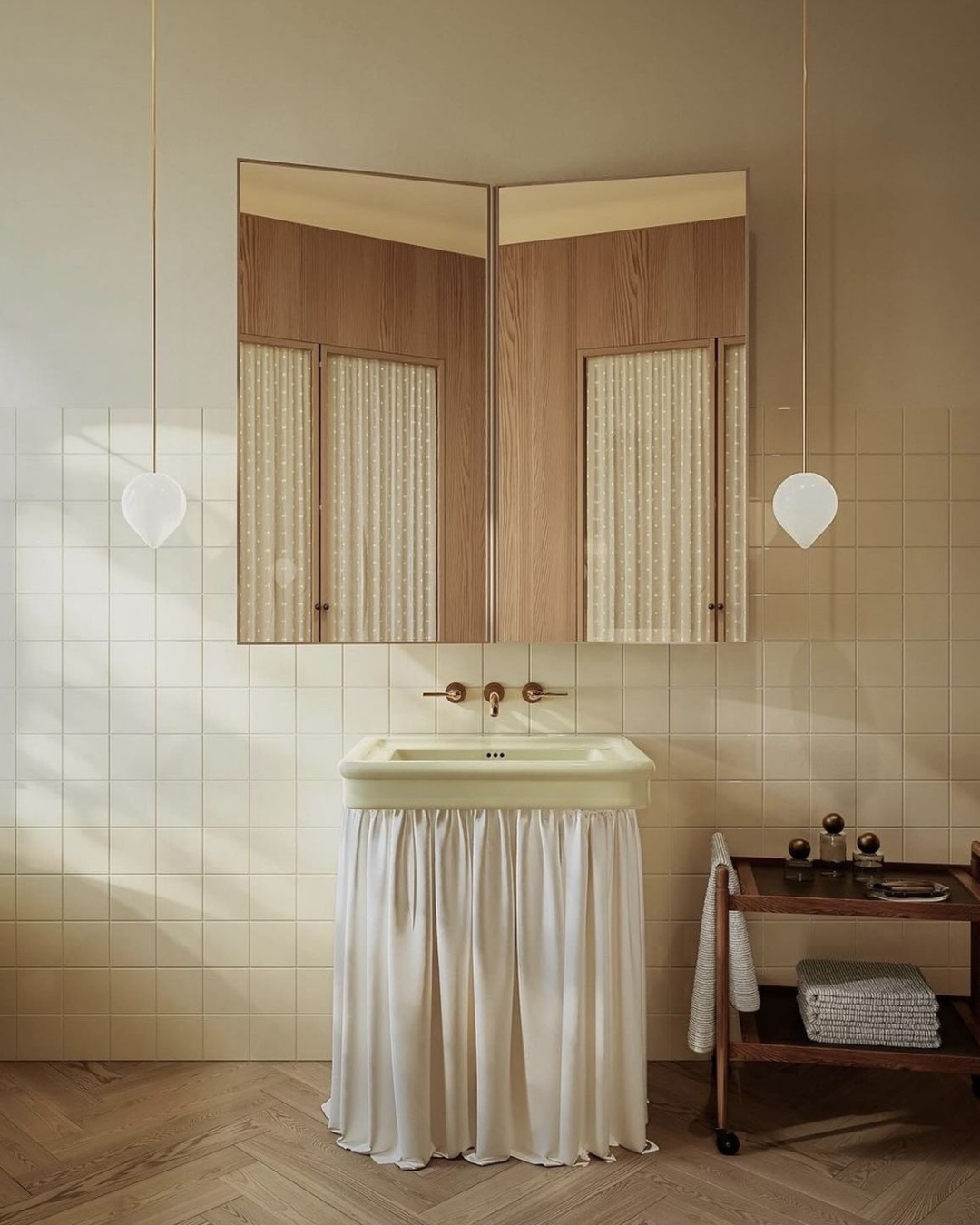
Longevity swaps
Longevity isn’t created through one dramatic decision. More often, it is the accumulation of hundreds of small choices repeated every day. None of these swaps need to happen overnight, nor do they need to be perfect.
Think of them as gradual upgrades that support your health, your home and, ultimately, how you experience the years ahead.
When it comes to the home in particular, here is a small list of swaps that you can make over time to help improve your indoor air quality, exposure to harmful toxins, micro-plastics, and the quality of drinking water.
Indoor Air
Instead of
Artificial air fresheners and plug-ins.
Choose
Open windows, cross ventilation, HEPA filtration where appropriate and fresh air as often as possible.
Paint
Instead of
Conventional paints high in VOCs
Choose
Low-VOC or zero-VOC paint systems.
Furniture
Where possible lesson
Furniture made primarily from particleboard, MDF and heavily glued composite materials which can be prone to off-gassing.
Choose
Solid timber, stone, stainless steel and quality natural materials built to last.
Textiles
Lesson
Predominantly polyester, acrylic and synthetic fibres which can shed microscopic plastic particles through everyday wear, washing and friction. These fibres become part of household dust and are one of the ways we are exposed to microplastics indoors. While scientists are still investigating the long-term health effects of microplastic exposure, reducing unnecessary sources of plastic within the home is a precautionary step people can choose to take in support of a healthier living environment. It’s hard to eliminate, which is why an approach to lesson may be more sustainable.
Choose
Linen, cotton, hemp, wool and silk. These fabrics will not add to your plastic load.
Cleaning Products
Lesson
Strong synthetic cleaning products and artificial fragrances which can introduce volatile organic compounds (VOCs) and other unnecessary chemicals into the air we breathe. Some ingredients have been linked to skin irritation or potential endocrine-disrupting effects. Rather than asking our bodies to continually process avoidable environmental stressors, you could reserve stronger chemical cleaners for the occasions they are genuinely needed and choose simpler, lower-tox alternatives for everyday use.
Choose
Plant-based cleaners or traditional ingredients such as castile soap, vinegar and bicarbonate soda where suitable. If you don’t have time to DIY it (many of us don’t) fortunately, this is one area where the market has evolved dramatically. Today, there are countless high-performing, thoughtfully formulated cleaning products that prioritise plant-based ingredients and lower-tox formulations without sacrificing effectiveness. It’s becoming easier than ever to choose products that are as hardworking as they are considered.
Laundry
Instead of
Heavily fragranced detergents and fabric softeners that can leave residues on the fabrics that remain in close contact with our skin for hours every day. Some synthetic fragrances and other ingredients are known skin irritants, while certain chemicals used in consumer products are being studied for their potential endocrine-disrupting effects. Reducing repeated, compounded exposure is a simple way to support both skin health and overall wellbeing.
Choose
Thoughtfully formulated, lower-tox laundry detergents that are fragrance-free or scented with naturally derived ingredients. Swap fabric softeners for wool dryer balls or other natural alternatives. Fortunately, there are now many beautifully formulated brands that clean exceptionally well without relying on unnecessary synthetic additives.
Water
Instead of
Untreated tap water where filtration is appropriate. Municipal drinking water is generally considered safe, but depending on where you live it may contain chlorine, disinfection by-products, trace contaminants or microplastics. While these are typically regulated, many people choose to further reduce unnecessary exposure where they can.
Choose
A quality water filtration system suited to your household. It’s a powerful way to reduce certain impurities while supporting one of the most important foundations of health - clean, great-tasting water.
Image Source > Pinterest > shi.an studio
Lighting
Instead of
Cool, bright, blue-enriched light in the evening that can suppress melatonin. Melatonin is the hormone that signals sleep, so using cool lights at night can disrupt circadian rhythms that regulate everything from hormone production, nervous system stability, metabolism and cellular repair.
Choose
Prioritising warm light after sunset and natural daylight early in the day helps support deeper sleep, a calmer nervous system and the overnight restorative processes that underpin long-term health. You can read more about light as a source of wellbeing here
The Kitchen
Cookware
Instead of
Damaged non-stick cookware. As traditional non-stick coatings deteriorate, they can become damaged through everyday cooking. Older generations of non-stick cookware have been associated with PFAS, often referred to as “forever chemicals” because they persist in both the environment and the human body. Although research is ongoing, many people choose to reduce unnecessary exposure where practical.
Choose
Cast iron, enamelled cast iron, carbon steel or quality 304 or 316 stainless steel cookware.
Dishwashing
Instead of
Conventional dishwashing liquids and dishwasher tablets with unnecessary synthetic fragrances, dyes and harsh ingredients.
Choose:
Plant-based, lower-tox dishwashing products with thoughtfully selected ingredients and minimal synthetic fragrance. Thankfully, there are now many highly effective options that perform beautifully without compromising on cleanliness or health.
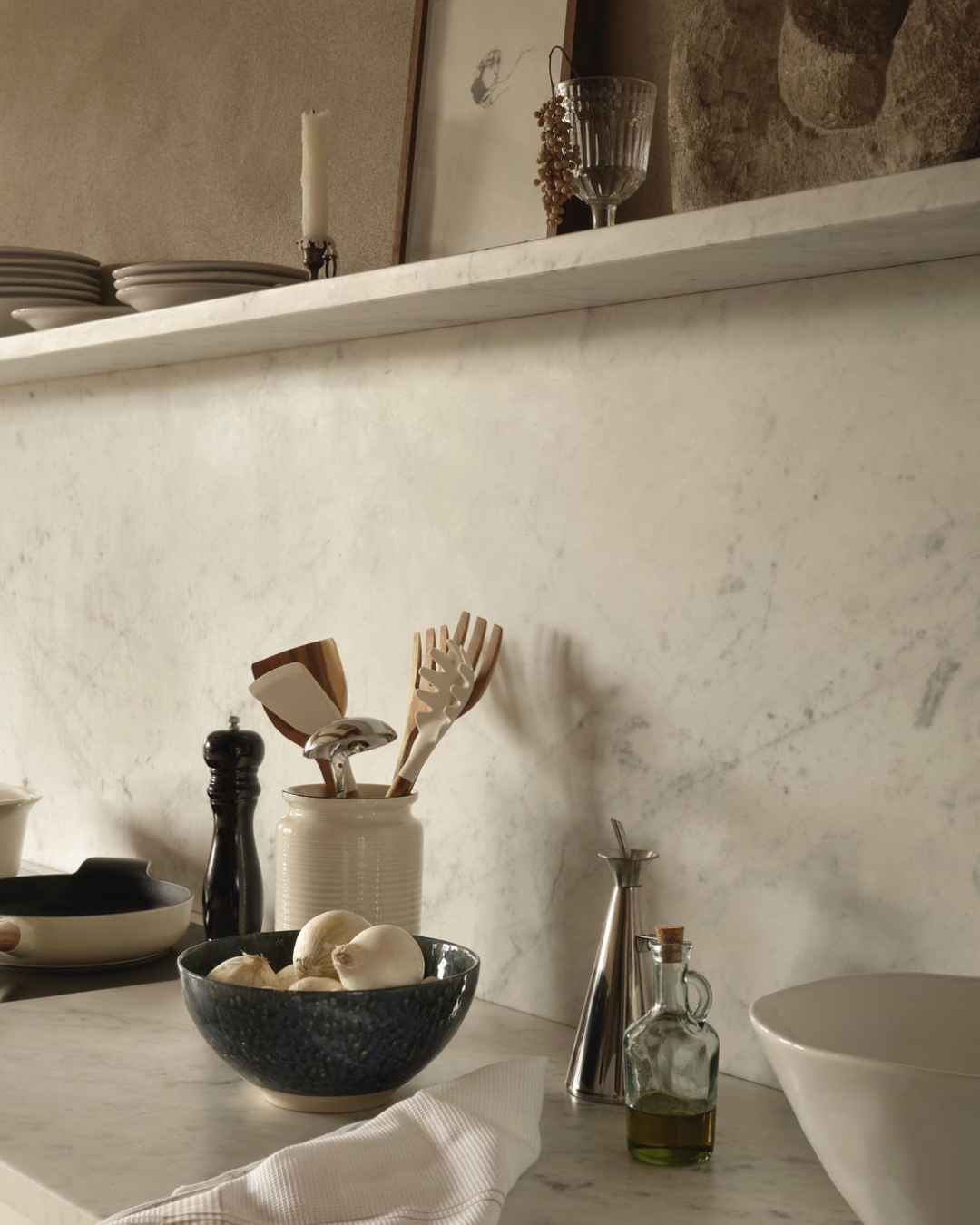
Cooking Utensils
Instead of
Plastic utensils. Plastic utensils are repeatedly exposed to high temperatures and friction, which can increase the release of microscopic plastic particles and chemical additives into food over time. Why are we talking about plastic again? Microplastics have now been detected throughout the human body, including in the blood, lungs, liver, placenta and even the brain. Scientists are still working to understand their long-term health effects, but early research suggests they may contribute to inflammation, oxidative stress and disruption to normal cellular function. While many questions remain, reducing unnecessary exposure is widely considered a sensible precaution.
Choose
Timber, 304 or 316 stainless steel where appropriate. Timber and stainless steel are stable, durable materials that don’t shed microplastics or leach unwanted compounds during everyday cooking.
Food Storage
Instead of
Heating food in plastic containers. Heat, oils and acidic foods can encourage some plastics to release microscopic plastic particles and certain chemical additives into food.
Choose
Glass or ceramic. These materials remain chemically stable when heated, making them a cleaner choice for everyday food storage and reheating.
Drink Bottles
Instead of
Single-use plastic which again can contribute to unnecessary microplastic exposure, particularly when exposed to heat or reused repeatedly.
Choose
Glass or stainless steel bottles. Glass and stainless steel avoid this issue while also reducing plastic waste and encouraging better hydration habits.
Chopping Boards
Instead of
Heavily worn plastic chopping boards where every knife cut creates tiny grooves that gradually release microscopic plastic particles into food.
Choose
Solid timber boards, stainless steel or glass. These materials don’t create the same ongoing source of microplastic contamination and are also highly durable when properly maintained.
Coffee
Instead of
Disposable coffee pods and takeaway cups which can contain plastic layers that come into contact with hot water.
Choose
Brewing coffee with plastic-free equipment and drinking from reusable cups to reduce unnecessary plastic exposure while also significantly reducing waste.
Baking Trays
Instead of
Old non-stick baking trays which are the same sort of thing as the non-stick frying pans. Once non-stick coatings become scratched or degraded, small fragments of the coating can transfer into food and the cookware becomes less stable over time.
Choose
High-quality stainless steel, cast iron and ceramic alternatives to provide durable cooking surfaces that don’t rely on synthetic non-stick coatings.
Cooking Oils
Instead of
Repeatedly heating delicate refined oils can increase oxidative stress and low-grade inflammation in the body. While inflammation is a normal part of healing, persistent inflammation is associated with accelerated biological ageing and many chronic health conditions. Here we're talking about oils such as canola oil, sunflower oil, safflower oil, soybean oil, grapeseed oil, among the many other commonly used vegetable oils.
Choose
Choosing more heat-stable oils such as extra virgin olive oil, avocado oil and coconut oil helps minimise oxidation during cooking, while also providing beneficial fats and naturally occurring antioxidants that support overall health.
Progress over perfection
I’d approach this as a loose guide of ideas and a starting point that you can implement slowly in your own time.
It’s important for change to be fuelled by sustainability over radicalism or guilt.
Other items and products that I believe live in the pro-aging-well home are everyday beauty goods, fragrance and self-care products, as well as key food staples and rituals around exercise, sleep and mindfulness. I’m excited to explore some great swaps and alternatives with you on this at a later date. But for now, I want to leave this philosophy with you as a framework on how we can approach beauty, aging and our environment from a more holistic viewpoint.
From anti-aging to ageing well
The anti-aging industry has given us some useful things. And while some of the products - both at home and in our beauty bottles - can be extremely harmful, in many cases the right idea is there - functionality, ease of use, convenience, skin protection, skin barrier health, hydration and repair - they have their place when you can actually decipher through the noise and find the products that are not riddled with toxic, harmful ingrediants. This can also be said for our furniture, furnishings, homewares, clothing and the everyday products that we use to run our lives with.
They all have an impact - be it good or bad.
But moving the conversation from anti-aging to aging well feels much more productive and encompasses every move we make.
Having a holistic outlook on how we approach living well and any age or stage feels much more preventative and incredibly more beauty responsive.
It asks us to think beyond the face and into the whole system. A person who sleeps well, eats well, moves daily, has meaningful relationships, lives with purpose and comes home to an environment that restores them is participating in beauty at a far more profound level than anything a product can promise on its own.
This is not a rejection of beauty culture. It is a more sophisticated version of it.
Because beauty was never meant to be reduced to youth - in my opinion, beauty has always belonged to vitality, proportion, presence, grace, expression, health, confidence, atmosphere and the way a life is composed. A beautiful life is not one that refuses to age, it’s one that remains awake to what matters.
I truely feel it’s time that home has a seat at the beauty table.
The new anti-aging is not anti at all
Perhaps the future of anti-aging is not another promise of youth, but a more generous definition of care.
Care for the skin, yes. But also care for the body that carries us, the mind that interprets the world, the nervous system that absorbs our surroundings, the relationships that sustain us, and the home that forms a backdrop for healthy, inspired, longevity-responsive living.
Longevity is a lifestyle. It is built through our habits and how we deliberately design the environments that shape us.
The anti-aging home is not a house that keeps us young.
It is a home that helps us age well.
And maybe that in itself is a more beauty derived ambition.
Join MODE
Beautiful homes are rarely defined by perfection. They’re shaped by the small rituals, thoughtful decisions and considered environments that influence how we feel every single day.
If you’re interested in the psychology of interiors, the philosophy of beauty and creating a home that supports clarity, calm and modern living, subscribe to MODE, our weekly editorial exploring the intersection of design, wellbeing and the art of living beautifully.