There are certain things you do while travelling that are so impressive, it would be a crime not to recommend them to a friend, right?
With Japan fast becoming a top global holiday destination known for its record-breaking visitor boom, affordability, and deep pop-culture appeal - after having spent 19 days there - I have some strong highlights (you can read the full edit here)
We travelled around Tokyo, Kyoto and Osaka, and while it was a family trip filled with Disney characters, shopping and insanely crowded tourist traps, my eyes were also firmly fixed on Japan’s bustling scene of arts, design and innovation.
When planning the trip, teamLabs popped up multiple times. But without digging in too much, I just thought it would be a fun place to take the kids. I knew travelling in August would be tough given it can get quite hot, so I pegged it as an indoor activity that could give us some air con reprieve. Underestimating the experience was the best thing I could ever do. It turned out to be so much more than an afternoon filler.
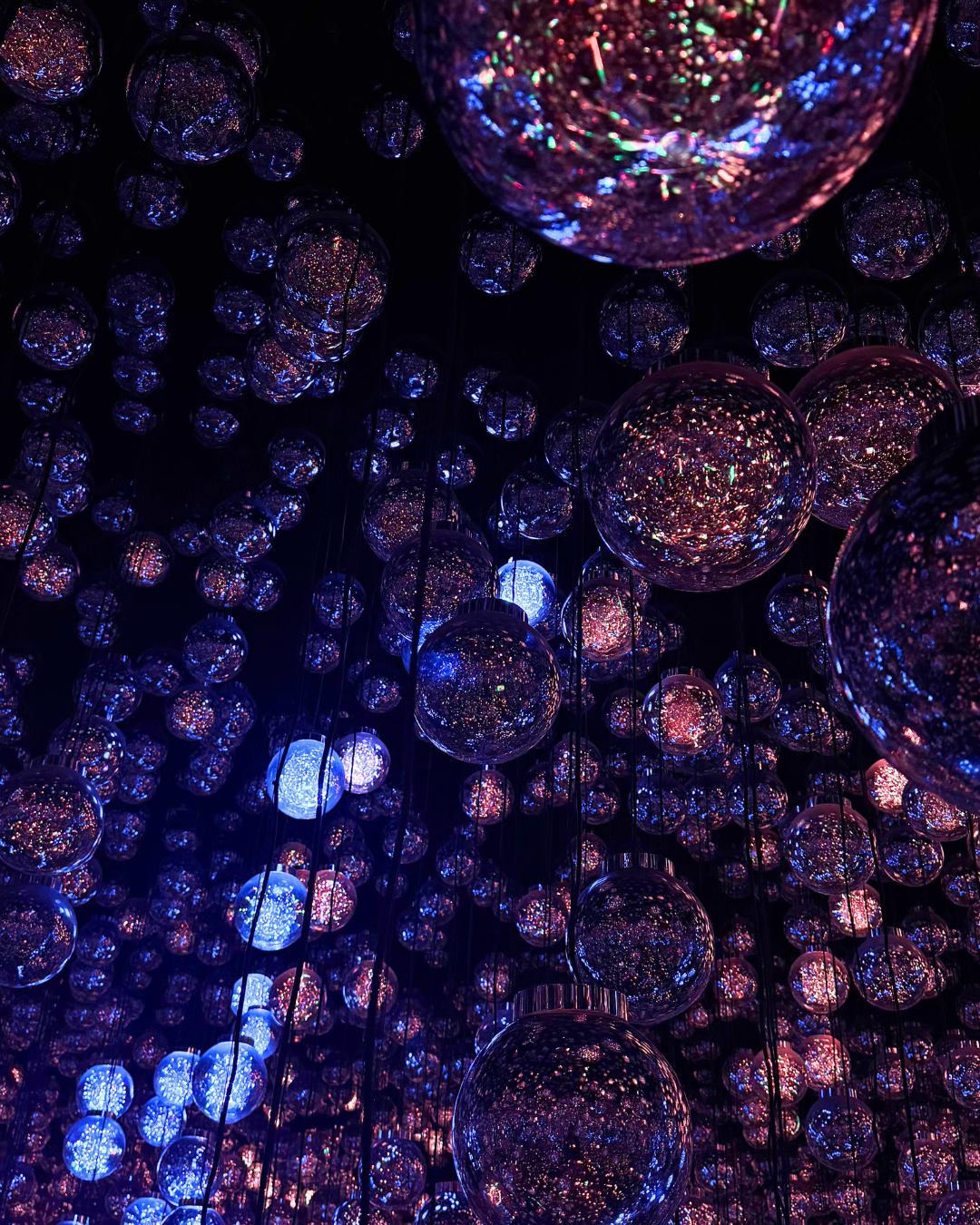
We first visited teamLab Borderless in Tokyo. By the time we reached Kyoto, we booked teamLab Biovortex and did it all over again. Yes - we loved it that much.
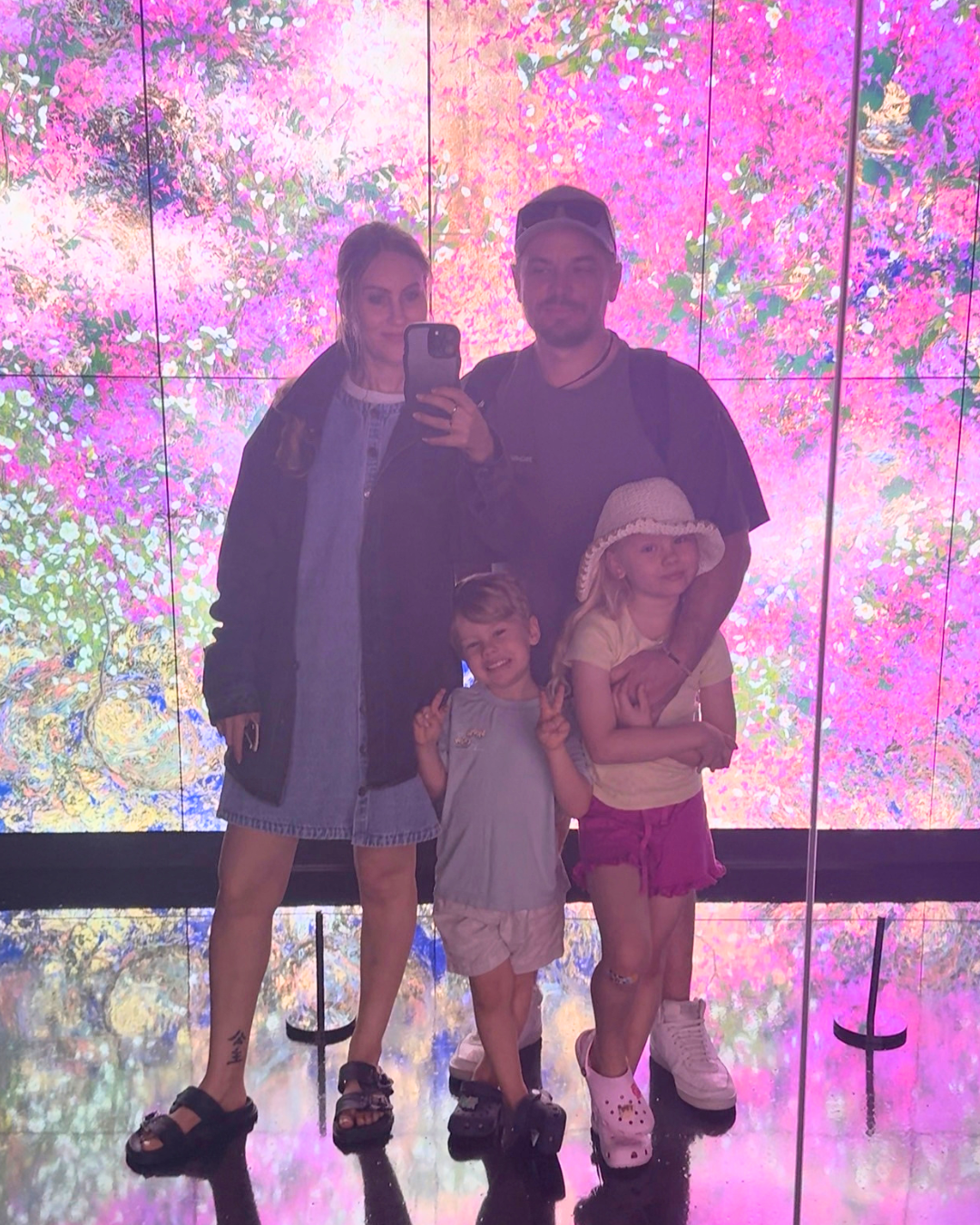
As someone who appreciates art, interiors and the way an environment can alter how we feel, I had expected teamLab to be visually spectacular but what I hadn’t anticipated was how it would completely consume us all - adults and children alike.
I adore a good trip to the gallery, but going with kids is never relaxing. This was different - there were no whispering explanations in front of a painting and absolutely no warding off the usual whinging comments of, ‘when can we leave?’
Instead, we walked through the door and straight into another world. Immediately, all four of us were in awe.
The art gallery has left the wall
The easiest way to explain teamLab Japan is probably to begin with what it isn’t.
This isn’t an exhibition where art is arranged neatly along white walls and observed from an appropriate distance. At the teamLabs we went to, there wasn’t even a map. This is deliberate because again, unlike a typical gallery, the artworks aren’t confined to individual rooms. They travel, communicate, spill into adjoining spaces and respond to the people moving among them.
Many times we had no idea where we were actually going and that was part of the fun, mystery and intrigue.
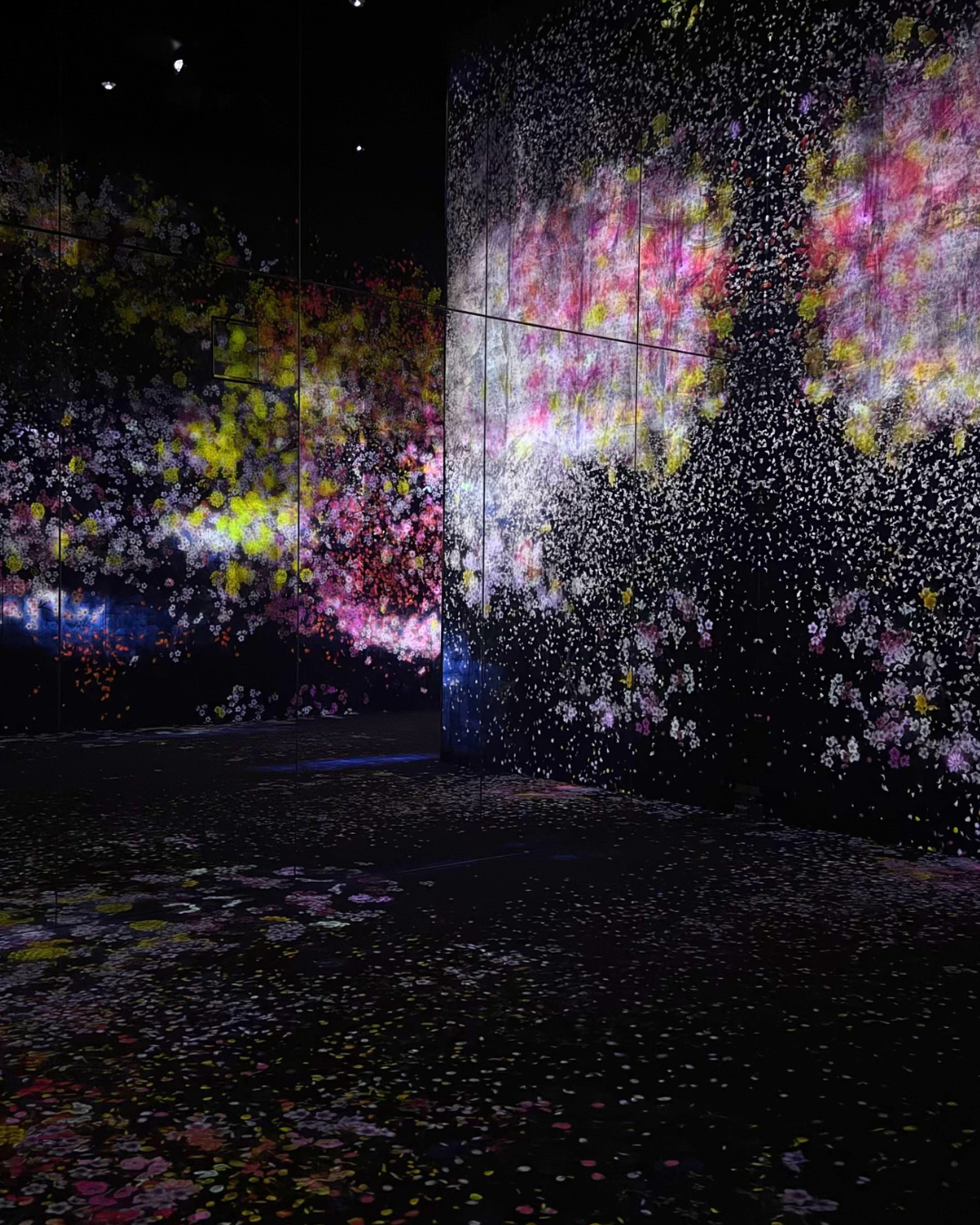
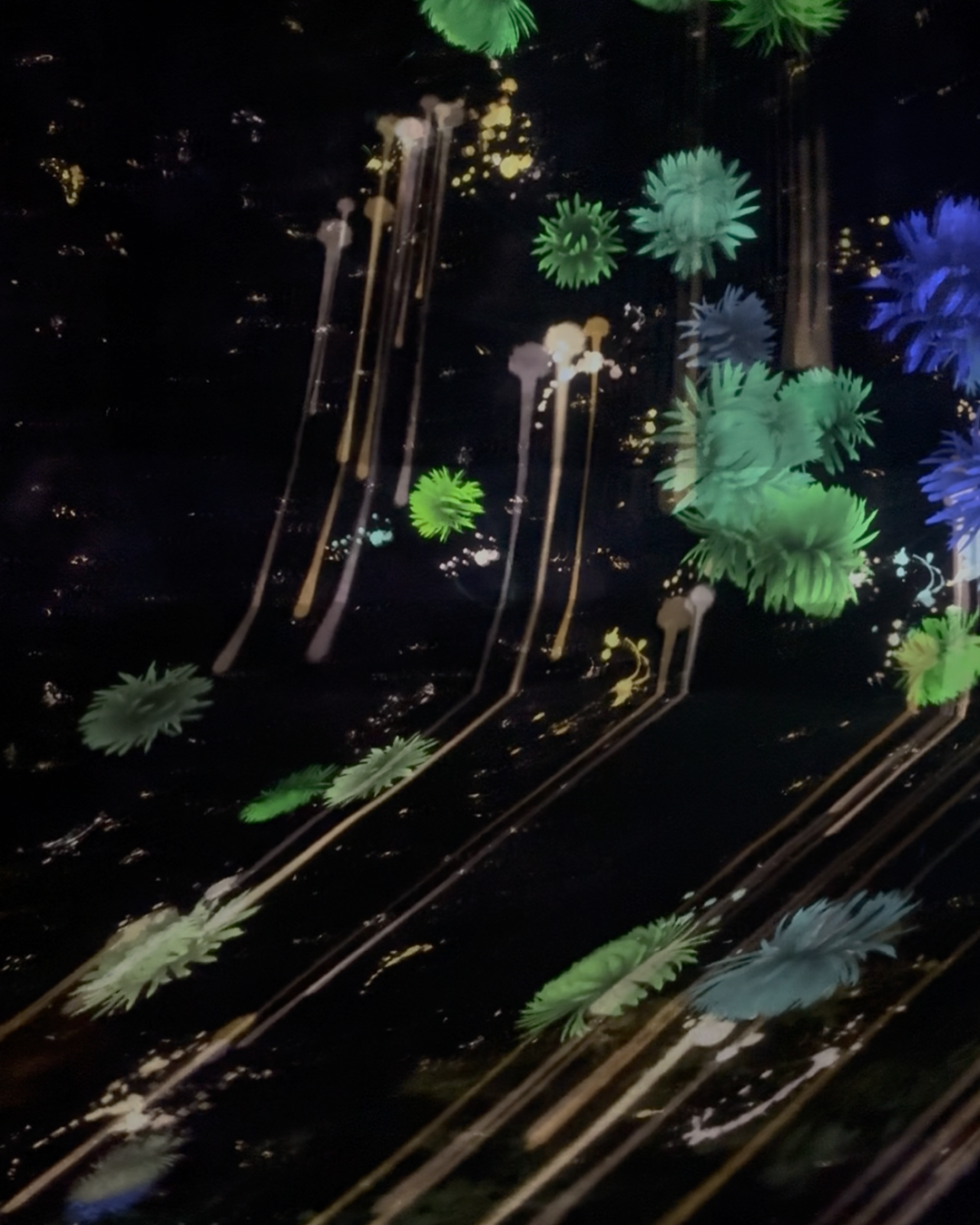
A darkened corridor might open into a seemingly infinite field of light. Flowers appear, then they move and dissolve. Water travels across walls and floors, and colour follows movement through a room. The use of sound is phenomenal - it changes the atmosphere before you’ve worked out where it is coming from.
At times the architecture seemed to disappear and the distinction between room, artwork and spectator became the entity of art itself.
For both children and adults, this creates an inquisitive, whimsical and playful atmosphere. The level of presence is calmly commanding and I found that time and space became obsolete.
teamLab: a museum like no other
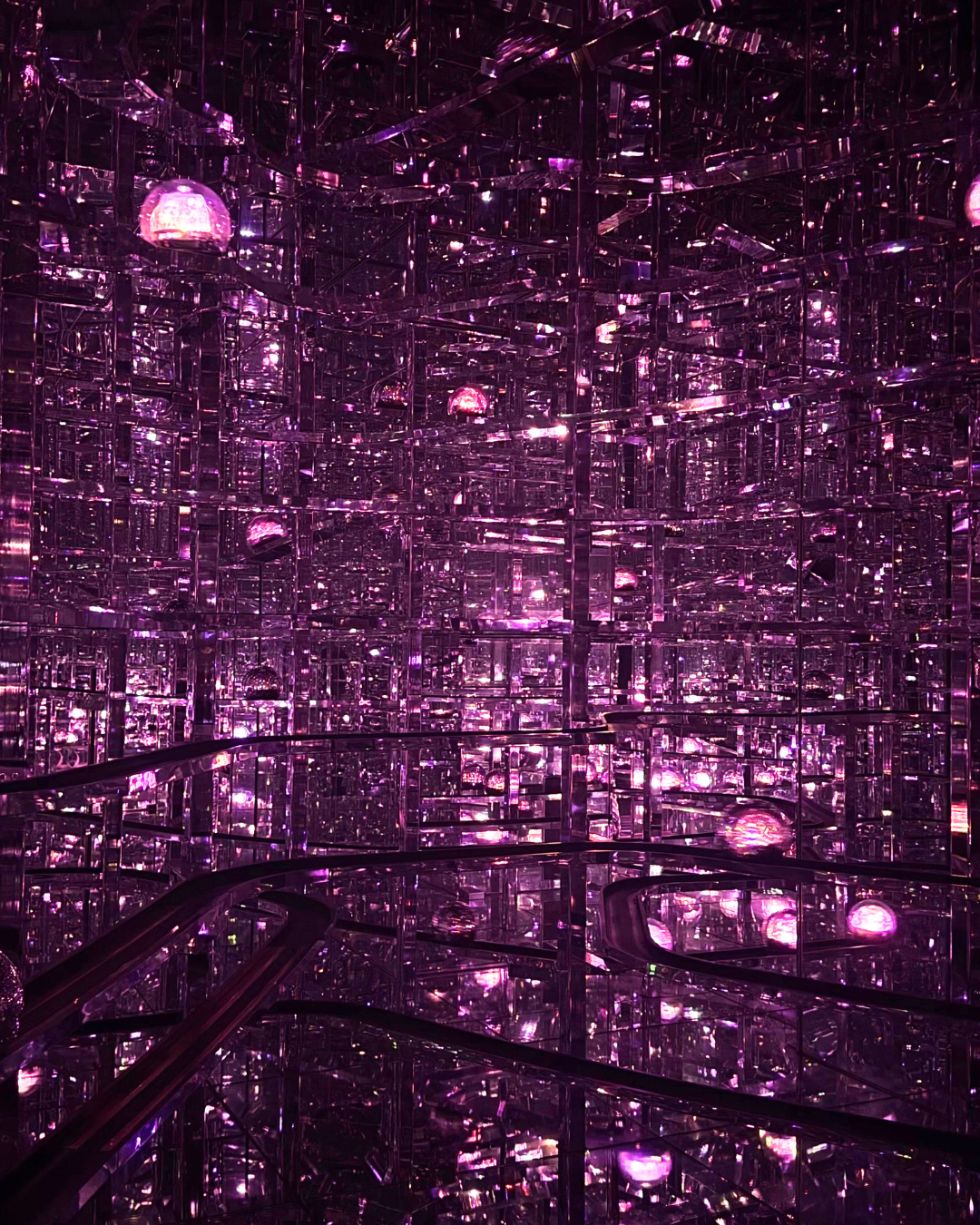
Highlights for us included Infinite Crystal World, where countless points of light extend through mirrored space until your sense of scale becomes unreliable.
Visitors can also participate in the work through the teamLab app, introducing another layer to the idea that the audience isn’t just there to observe.
My kids especially loved the ocean exhibition where they got to colour in sea animals and then watch them appear across the walls, floating and swimming around with the other creatures.
Elsewhere, projected flowers bloom and scatter across walls and bodies, digital waterfalls appear to move through architectural space, and light is treated almost as though it were a physical material. The whole experience was filled with awe and wonder in the most delightful ways.
If you’re visiting teamLab Japan
A little practical advice from having done it twice - allow yourself time. It’s so worth not having anywhere else to be.
Wear comfortable shoes and expect darkness and mirrored floors (I got caught out in a dress on one of the visits).
There’s quick light changes in some of the rooms, and sound and moments where your spatial awareness becomes very questionable. Some of the spaces can be quite dark periodically.
The no map policy makes it all part of the surprise! Oh, and book. Just to make sure you get a spot on the day you want to go. It’s popular with locals and tourists alike. We went during the school holidays and it was pretty busy.

A new way of seeing
It was obvious we’d be seeing art at teamLab Japan. And from what we saw online we knew there would be some interactive elements to it, but we didn’t expect what we got - which was to leave feeling mesmerised, inspired and thinking bigger!
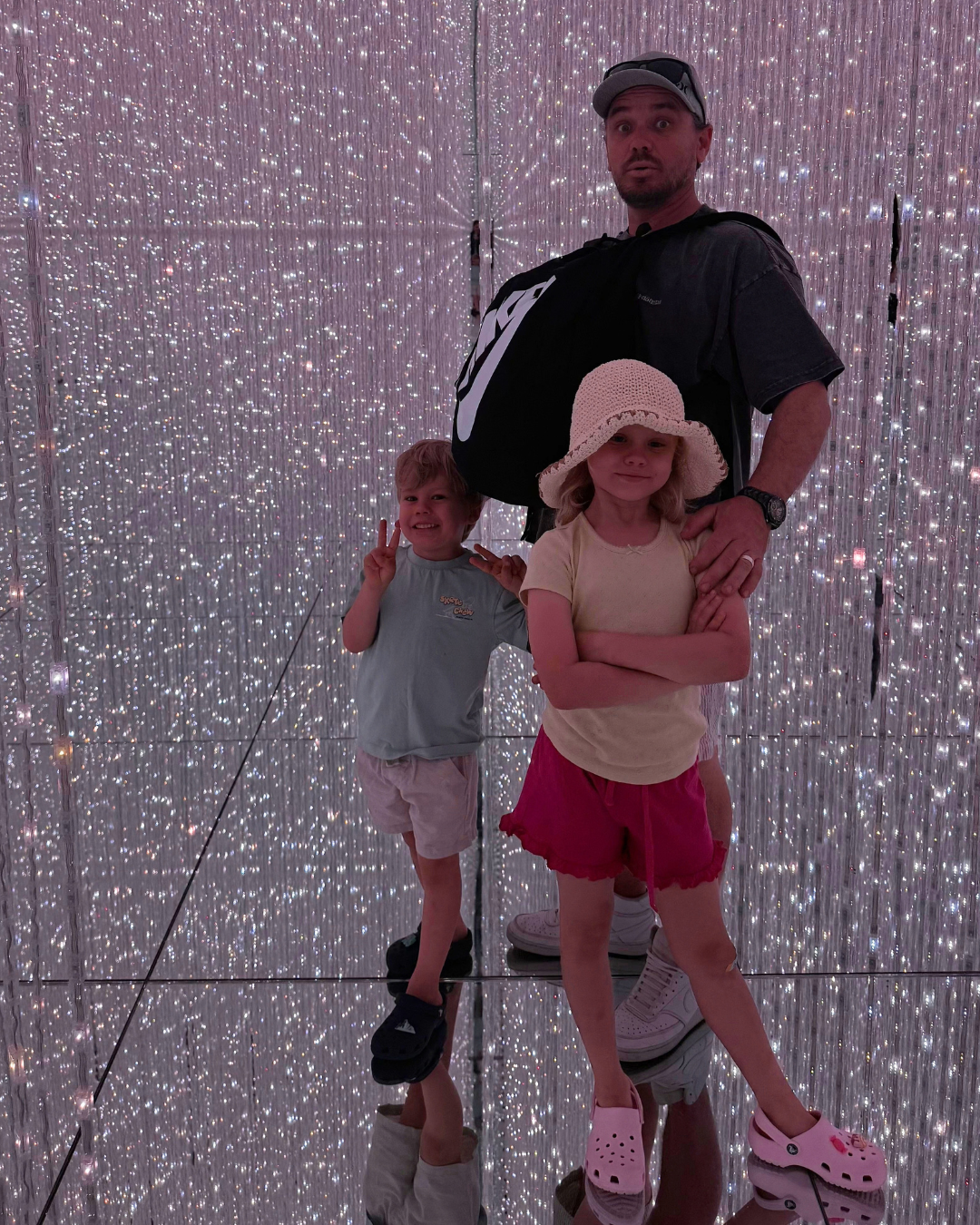
Key thoughts that popped up was how we as human beings are so responsive to our environment, and how when we deliberately curate our surroundings, we’re actually curating how we feel. Also how instinctively children love interacting and playing with beauty. Plus, it was a huge reminder that you can ‘see’ with your whole body - not just your eyes.
And then there were times during our visit/s where I thought, ‘Wow, this idea could totally translate into interior design’.
Because it does beg the question - can our homes be filled with art that instead of being static, could incorporate a more dynamic sense of movement, light, sound and scent?
teamLabs was an absolute high point on our trip and if you’re in Japan, I recommend you check it out.
You can learn more about teamLab Japan here.
Continue the conversation
If you live and breathe interiors, style, psychology, travel and beauty then Mode is your next sign-up.
Mode is our Marx & Co liveable editorial philosophy on interior culture and modern living. You’ll find our curated discoveries, considered perspectives and collected inspiration delivered to your inbox weekly - free.