Japan - and especially Tokyo- has always been on my bucket list. The fashion, the design, the architecture, the culture; it’s all so undeniably iconic. A destination that oozes world-stage atmosphere, and a country that is becoming wildly popular to visit.
In Australia alone, more than one million people make the trip each year, and when we were there we witnessed tourists from all around the globe proving that world-wide, it’s a sought after holiday spot.
We, of course, went and had an absolute blast.
Doing the nine-hour flight with my seven and four-year-old was surprisingly manageable, and I found Japan to be one of those rare getaways that genuinely had something to offer everyone - both young and old.
Over 19 days, we travelled through Tokyo, Kyoto and Osaka. There was Disney, art, temples, monkeys, endless shopping, incredible architecture, crazy fast trains, very hot days and more people than I have ever seen gathered in one place in my entire life.
Here’s what we did, where we stayed and the experiences I rated the most starting with mac daddy - Tokyo.
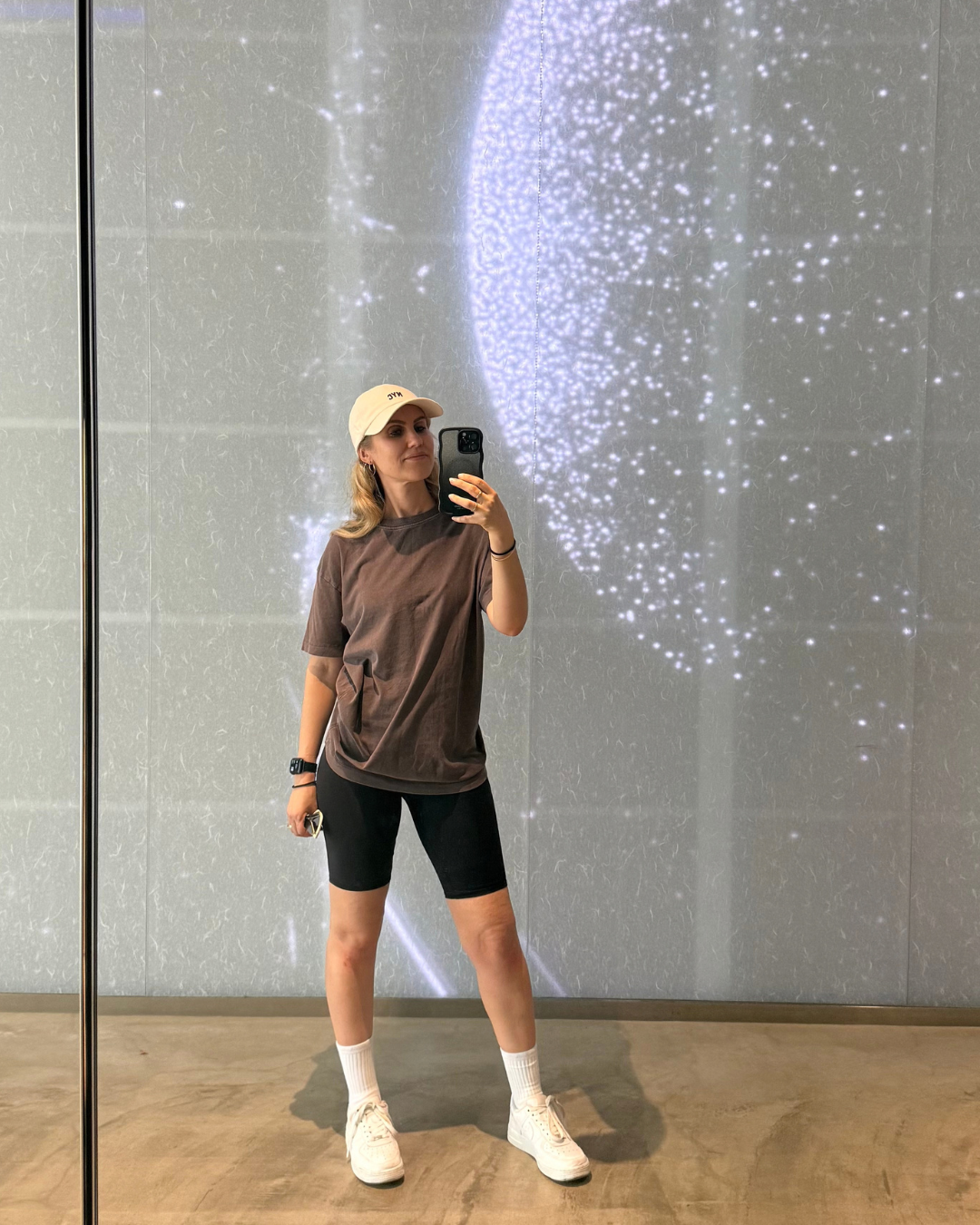
TOKYO
Stay: All Day Place Shibuya
We landed in Tokyo from Brisbane and headed straight to All Day Place Shibuya from the airport.
In Tokyo, space is tight and the hotel rooms can be small, so we ended up booking two king rooms. My daughter and I took one, and my husband and son took the other. It seemed like a strange idea at first, but it kind of felt like a fun little sleepover which the kids absolutely loved.
Although compact, the rooms were thoughtfully designed in that very Japanese way of making limited space feel intentional rather than compromised. There were clean lines, muted colours, warm timber and soft lighting. The wider hotel follows the same philosophy - contemporary, pared back and urban, with a lovely eco-conscious thread running through its design and operations. Sustainable materials are used throughout, while green tiles, natural textures and an indoor-outdoor connection give the communal spaces a cool, modern neighbourhood feel.
Downstairs, Mikkeller operates a coffee and craft beer kiosk, while upstairs, Good Cheese Pizza serves freshly made cheese using milk from Tokyo farms, homemade bread and, as the name would suggest, very good pizza. But the coffee, that was something else. While a little pricey, it was the best coffee I had throughout the entire trip.
Instead of your typical formal hotel, All Day Place felt like an edgy, cool meeting place and I really loved that vibe.
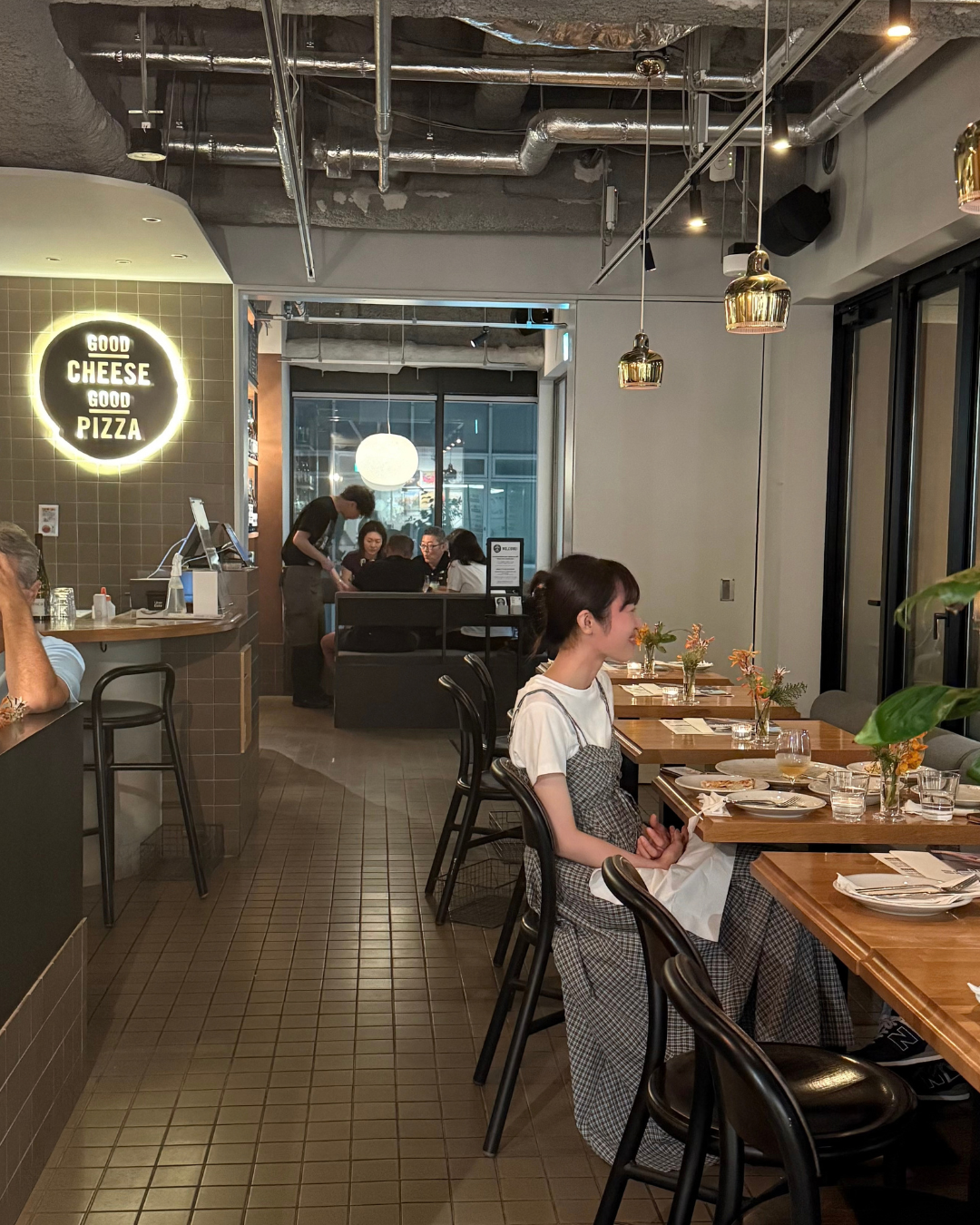
Dining at All Day Place Hotel
Breakfast deserves its own mention.
Each morning there were four freshly prepared options of bacon, eggs and salad with avocado and ricotta, a similar plate with salmon, a beautiful bowl of granola with seasonal fruit, maple and yoghurt, and a huge plate of thick French toast with all the sides, syrups and extras. The meals were massive.
We selected breakfast as part of our stay, which made mornings with the kids incredibly easy and also incredibly delicious.
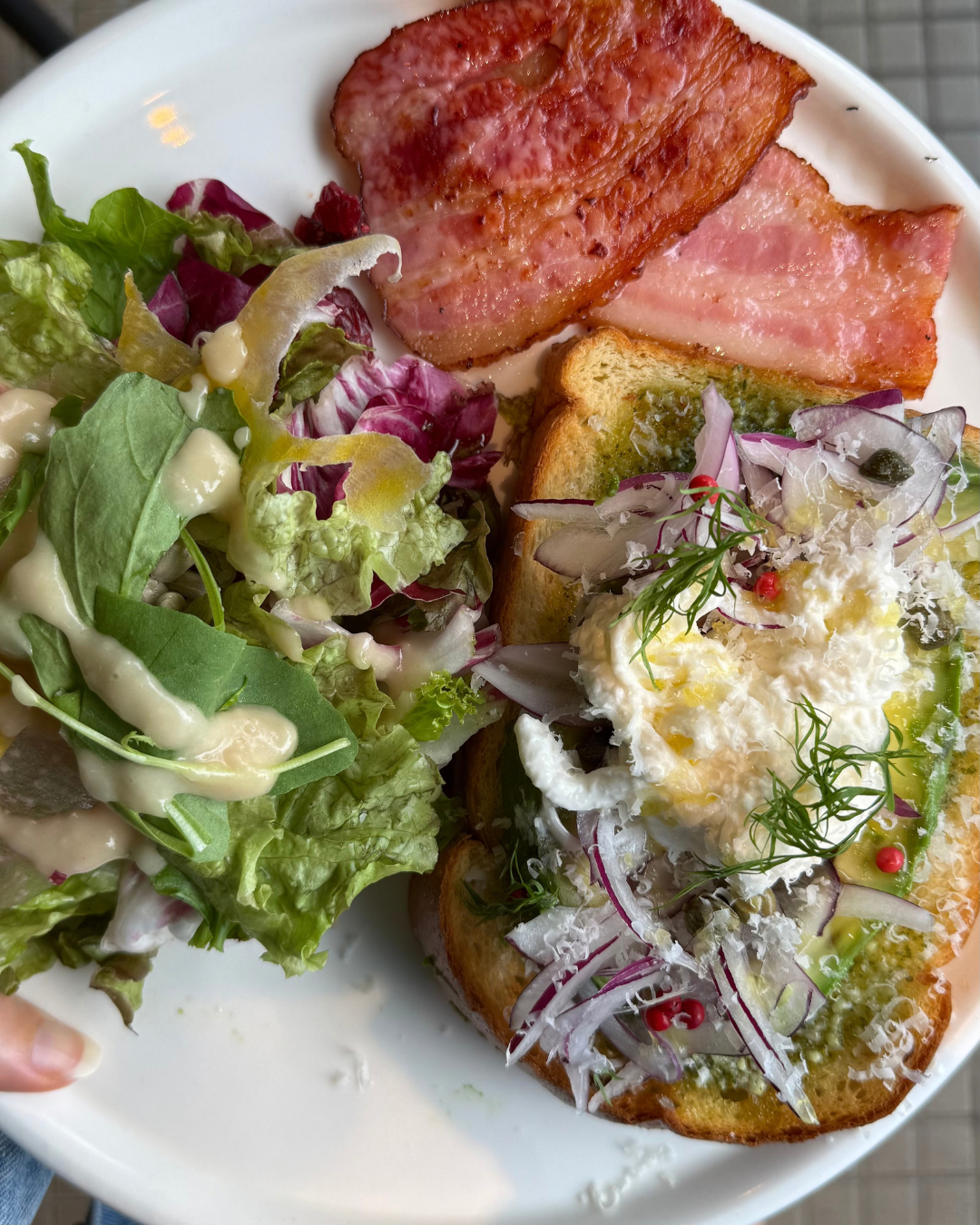
One of the four stunning breakfast options at All Day Place Hotel
Shibuya: we started in the middle
We chose All Day Place not only because it put us in the heart of Tokyo, but because it was minutes from the iconic Shibuya Scramble Crossing.
You’ve seen it in films, campaigns and probably hundreds of photographs, but standing at the edge of Shibuya Crossing as the lights change and a wall of humanity suddenly pours into the intersection from every direction, is something else.
Upwards of 1,000 people can cross at once, yet somehow it functions with this beautiful and truly calm sense of organised chaos. It feels like Tokyo compressed into a single moment - enormous, fast, bright, crowded and completely exhilarating. It’s such a moment to actually witness it in person.
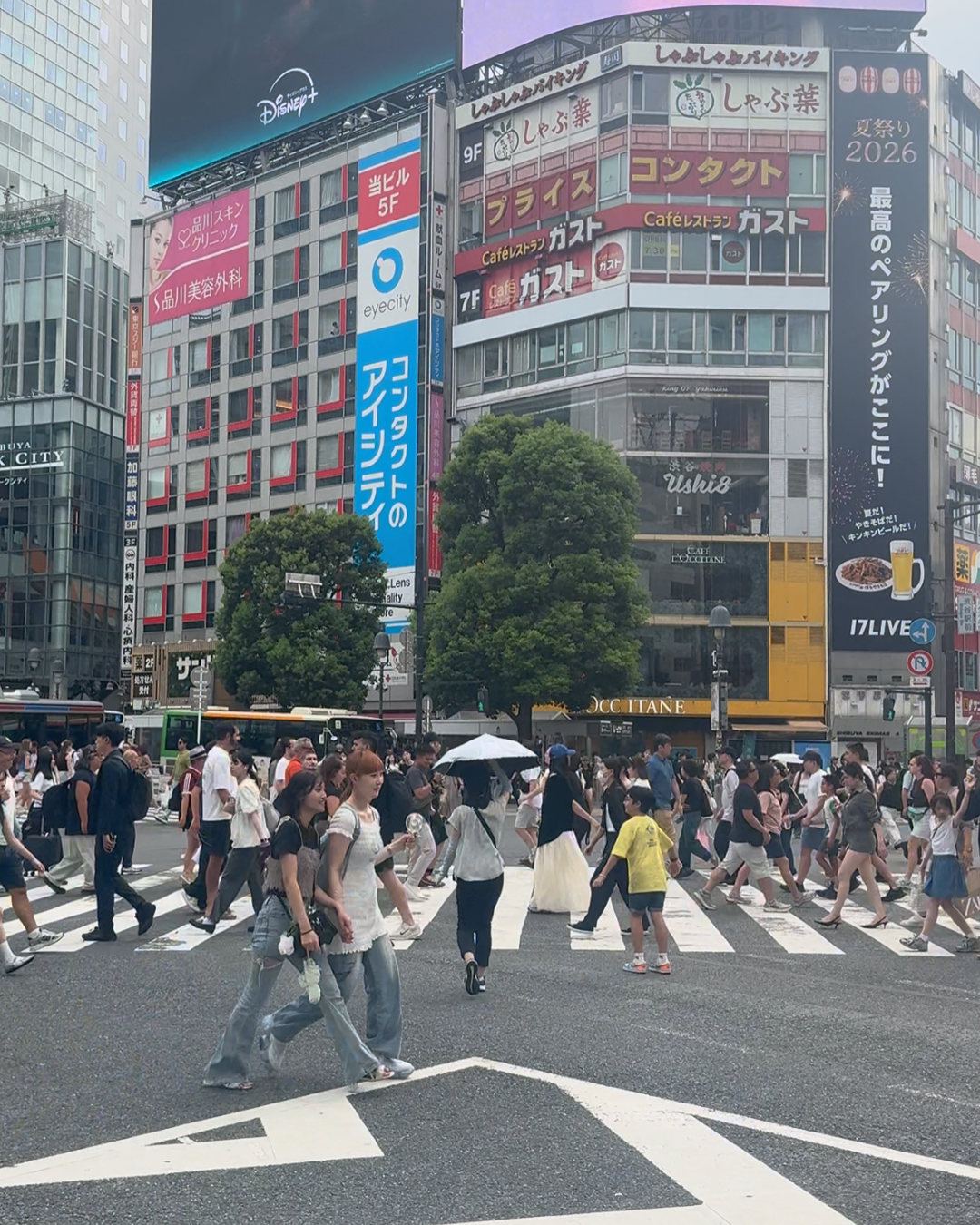
The famous Shibuya scramble crossing
From All Day Place, we could walk everywhere.
We checked out Mega Don Quijote Shibuya, essentially Japan’s crazy answer to “what if one store sold absolutely everything?” So brace yourself. It’s a lot.
It has toys, snacks, anime, gadgets, beauty, pharmacy products and even secondhand vintage bags and accessories from Louis Vuitton, Chanel, Dior - the list goes on…
In fact, the secondhand high-end designer market in Japan is insane. Entire stores are dedicated to authenticated luxury pieces in beautiful condition, with everything from handbags and jewellery to watches and accessories - sometimes at mind-boggling prices. If you have time and come prepared to buy, it’s worth combing through the plethora of options to find a bargain.
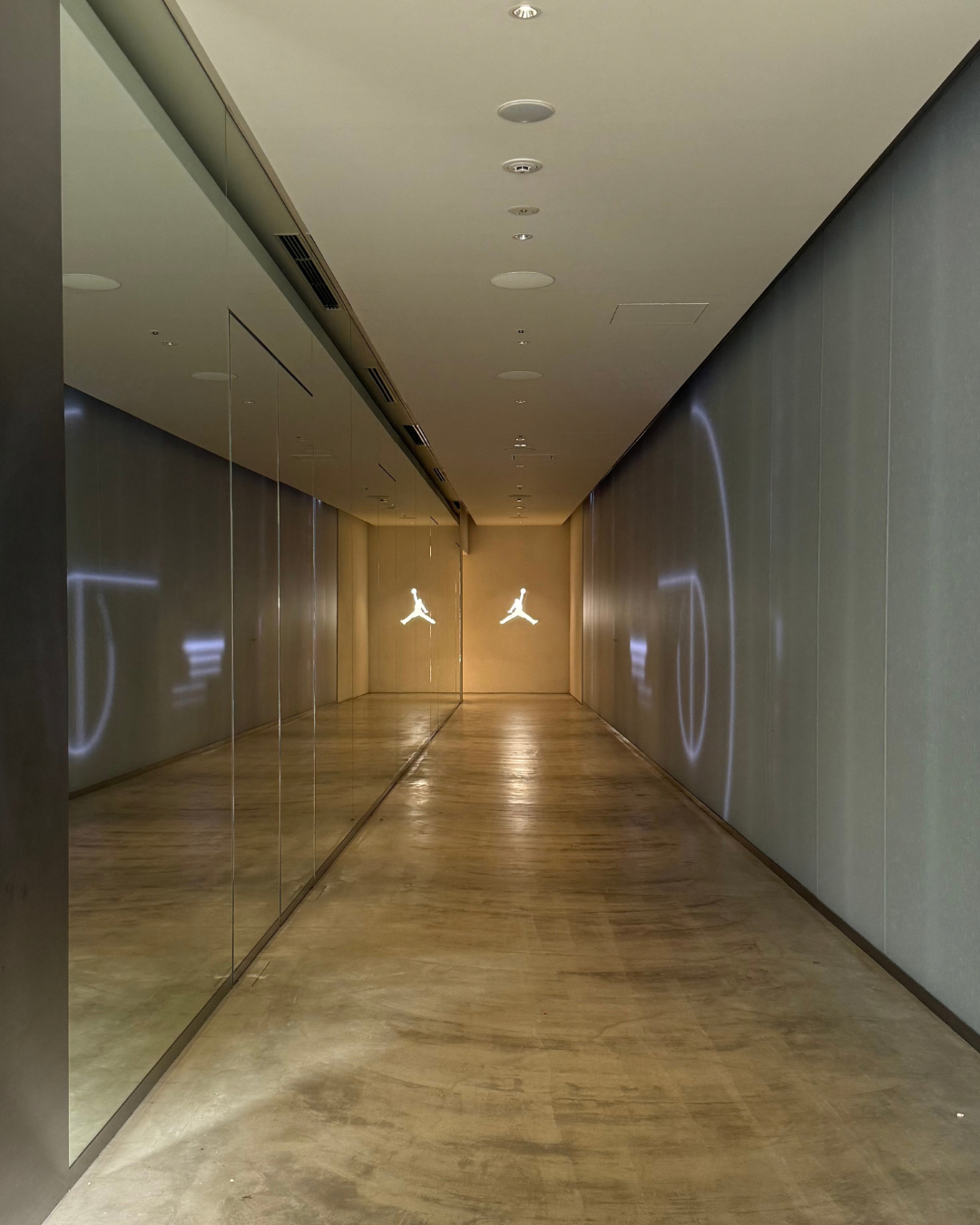
Entry to the Jordan store in Harajuku
Harajuku: where retail becomes theatre
From All Day Place, we wandered through Harajuku, Tokyo’s famous centre of street fashion, youth culture and wonderfully eccentric personal style. The streets were flooded with a flurry of diverse fashion statements, bold personal expressions, and style-hybrids from so many eras. I loved the confidence, self-expression and the way so many pushed the envelope on what to wear.
Takeshita Street delivered the louder version - colour, novelty, sweets, fashion and crowds - while the surrounding streets began moving into the cooler, more design-led worlds of Cat Street and Omotesando.
This was where I really enjoyed the shop design.
Contemporary with elements of Japandi woven throughout - many of the stores used pared-back materials such as concrete, timber and stone alongside neutral colour palettes and minimalist displays. It felt refined, poised and edited.
At times, this was completely opposite to the sounds, lights, signs and anime stacked almost everywhere the eye can see - not just in Tokyo, but throughout Japan. It appeared there was a striking contrast. On one hand Japan is known for a very particular design aesthetic with traditional wabi sabi and functional Japandi - both often feeling calm, grounded and minimalist - however the cities are very much alive with bright visuals, loud noise, congested advertising and animation - both were cool to witness as they very much seem to coexist together.
A highlight was the Jordan store, with its concrete tunnel-like entrance that featured absolutely nothing except a projected video of light, which poured through a portal-style hallway creating a vortex feeling of arrival upon entering.
There was a real experiential quality to retail that I noticed particularly in Harajuku.
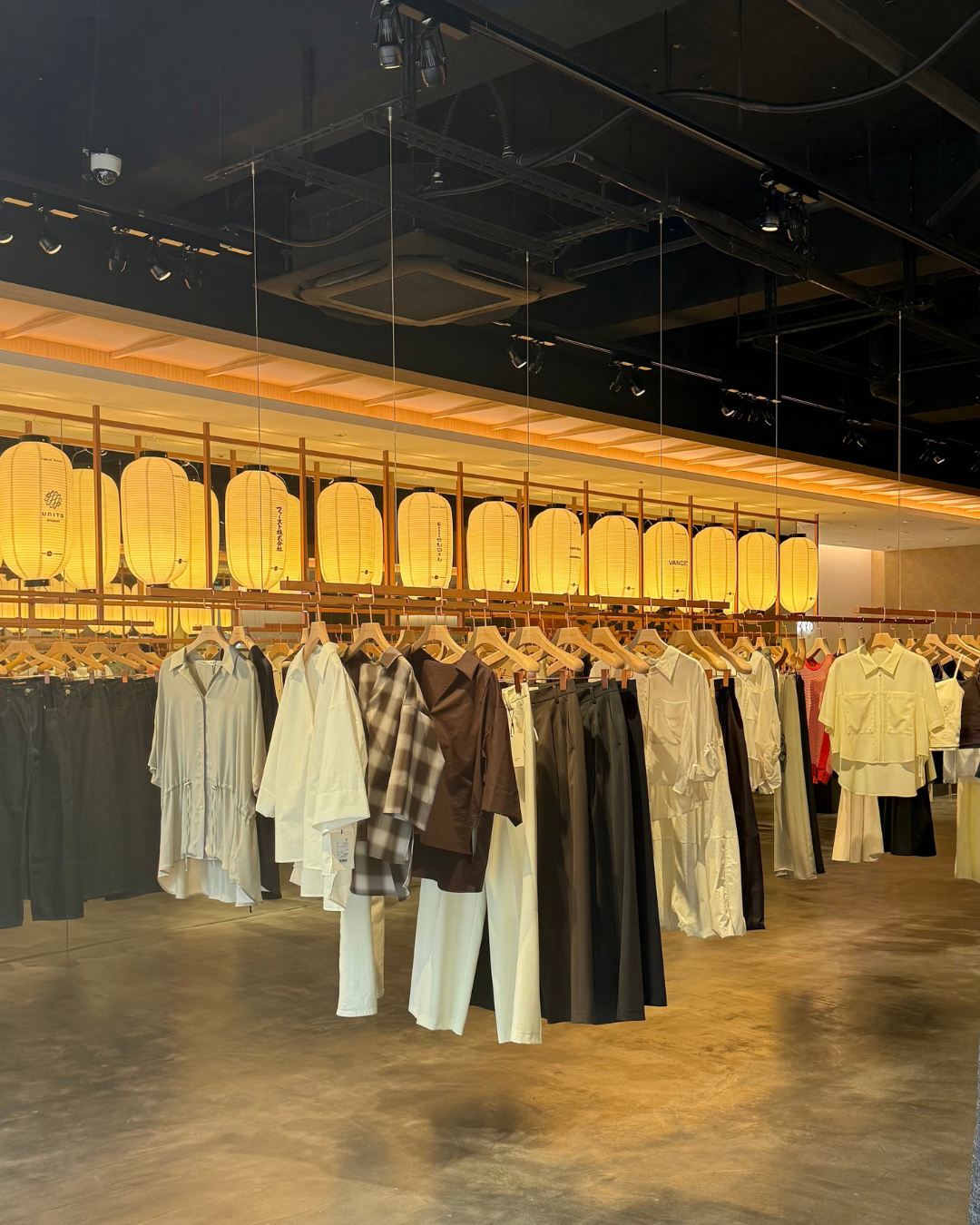
Asakusa: Nakamise Street + Sensō-ji
If Shibuya shows you Tokyo hurtling towards the future, Asakusa reminds you how much history sits beneath it.
Walking through the enormous red Kaminarimon - Thunder Gate - and onto Nakamise Street feels like entering a completely different Tokyo. The roughly 250-metre shopping street leading towards Sensō-ji is lined with around 90 stalls selling traditional sweets, crafts, fans, souvenirs, ceramics and all manner of Japanese keepsakes.
At the end sits Sensō-ji - Tokyo’s oldest temple.
It’s worth pausing to really take in. Think enormous gates, red temple buildings, lanterns, incense and tiled roofs.
Many visitors hire a kimono or yukata for the day, which adds another layer to the atmosphere.
For architecture, heritage and a glimpse into an older visual language of Japan, I wouldn’t miss it.
7-Eleven deserves a paragraph
You obviously can’t go to Japan without visiting these quintessential convenience stores.
Japan’s konbini (convenience) culture deserves to be experienced because they operate on an entirely different level.
7-Eleven, FamilyMart and Lawson can easily become little travel safety nets because really, they have it all - sandwiches, fruit, yoghurt, salads, onigiri, sushi, snacks, drinks, coffee, toiletries and inexpensive meals everywhere. They even have beer, wine, spirits and pre-mixes. And everything is dirt cheap!
I’m not the biggest fan of packaged food, and I was terrified of what I might find on the ingredient list of some things, BUT with two children, it was brilliant for a quick, fun gap-filler, and there were some interesting and quirky options that of course, we all had to try.
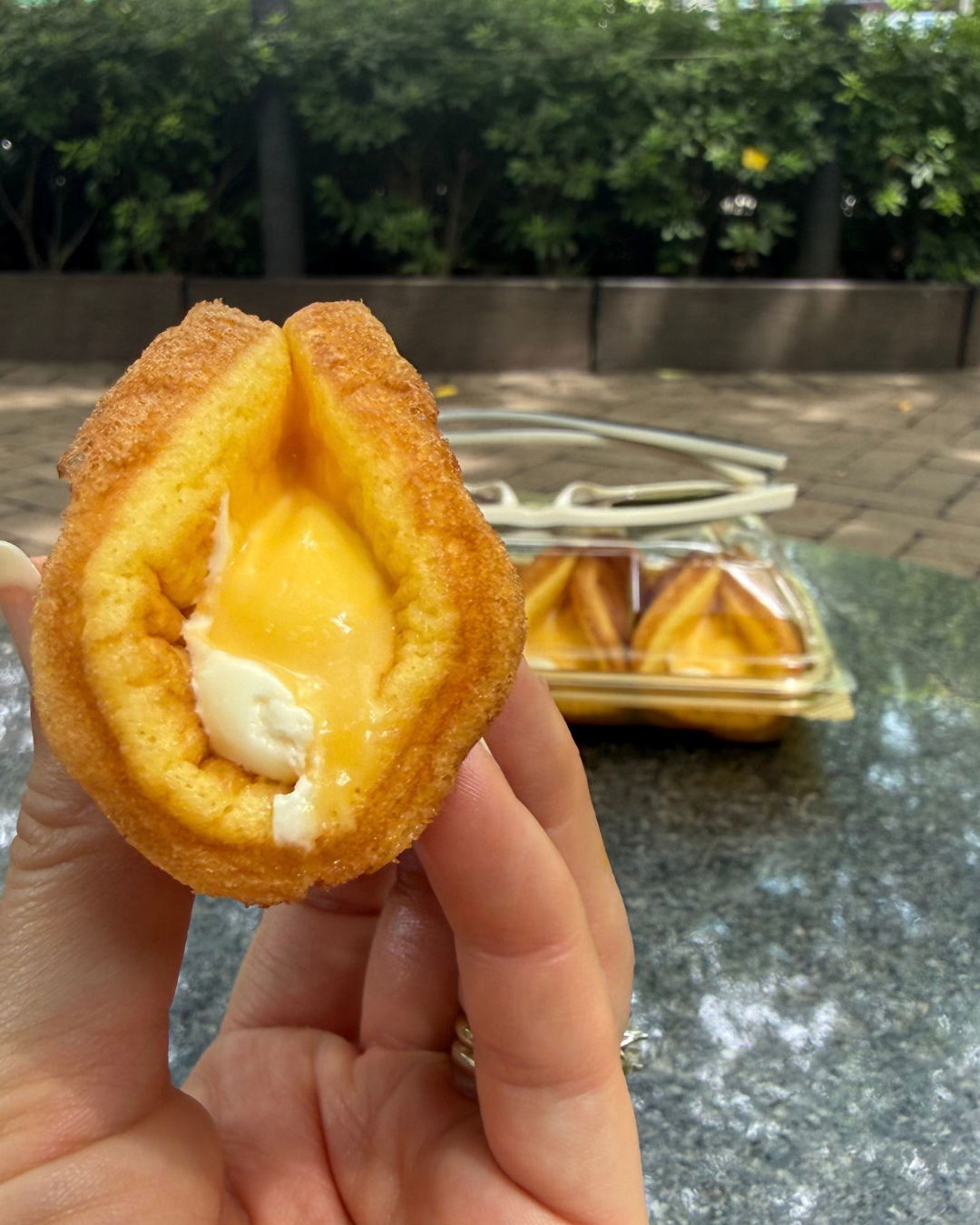
One of the many strange and delightful bites from 7-11
Toilets in Japan were a hilarious hit with the kids
The kids thought Japan’s toilets were one of the great technological achievements of our time.
Heated seats coupled with washing functions, multiple water settings, and even music was a very real new experience for them - I mean, there are buttons for things you didn’t realise a toilet needed to do!
I wasn’t game, but my husband couldn’t rate them enough - sorry, TMI.
Tokyo Disney Resort
Stay: Grand Nikko Tokyo Bay Maihama
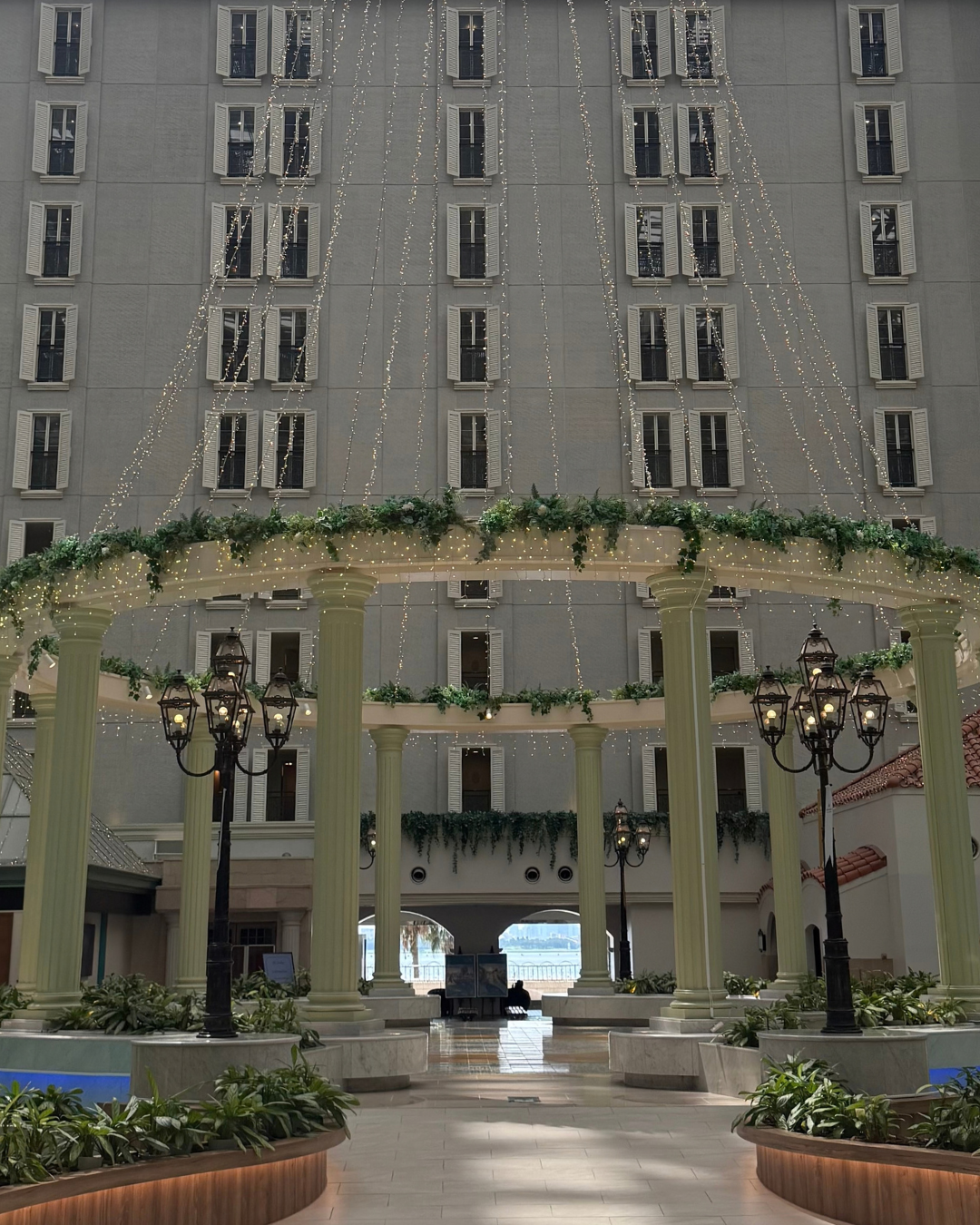
On day four, we transferred from Shibuya to Maihama, home of Tokyo Disney Resort.
We travelled by train and, even with luggage, two kids and the August heat, it was manageable.
We arrived at Grand Nikko Tokyo Bay Maihama around lunchtime and immediately felt as though we had officially entered Disney territory.
The enormous nine-storey atrium is the first thing you notice. It has a soaring glass roof flooding an almost theatrical Southern European-inspired internal streetscape with natural light. Balconies wrap around the vast central space and the whole thing has the scale and sense of occasion that reinforces Disney is just around the corner!
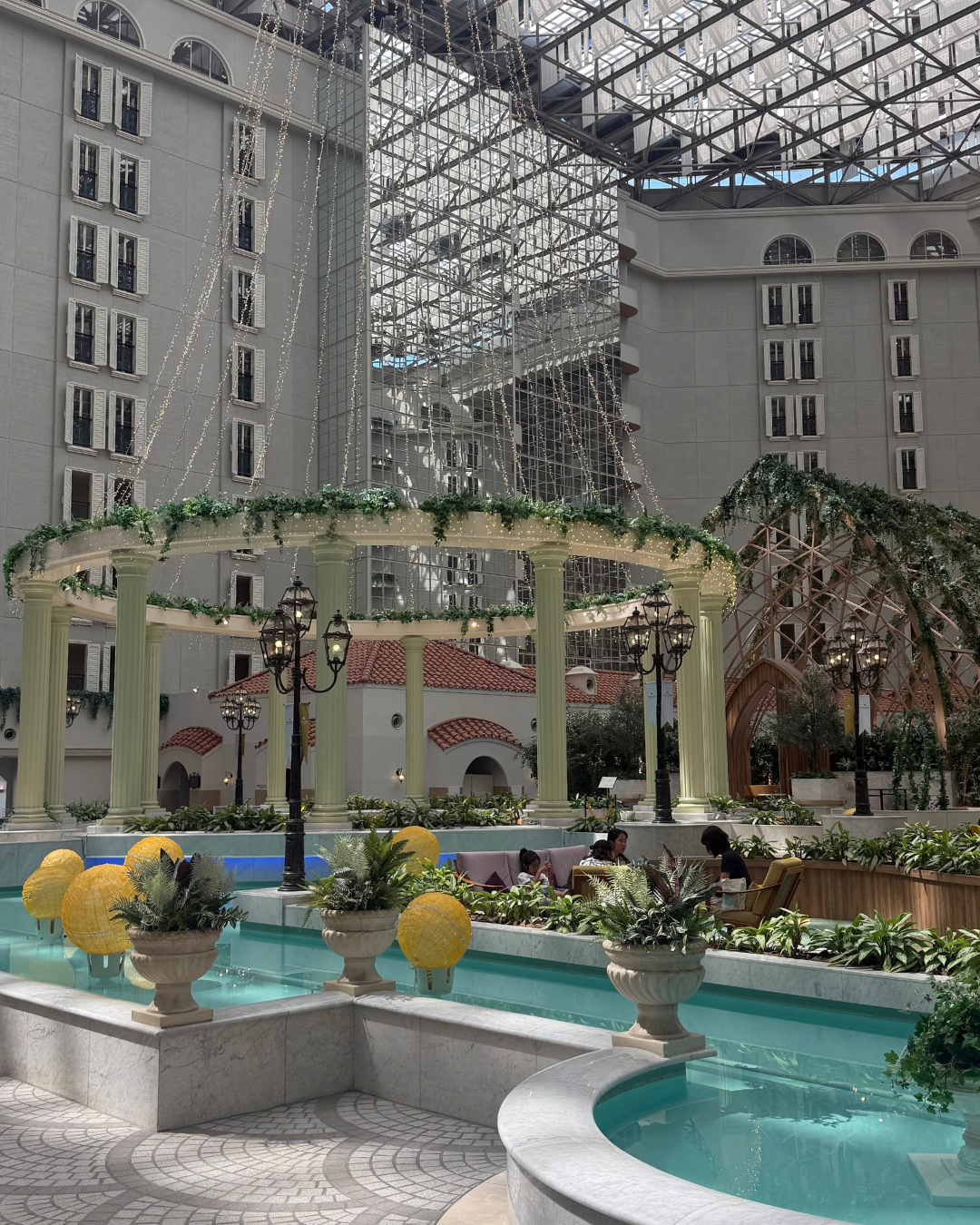
This time we had a larger room and the hotel had set up four large single beds so there were even more sleepover vibes - the kids were in heaven.
Initially we were too early to check-in so we left our luggage with reception, jumped on the short Disney Resort Line train (about 5-10 minutes) and hit the ground running.
Tokyo Disneyland
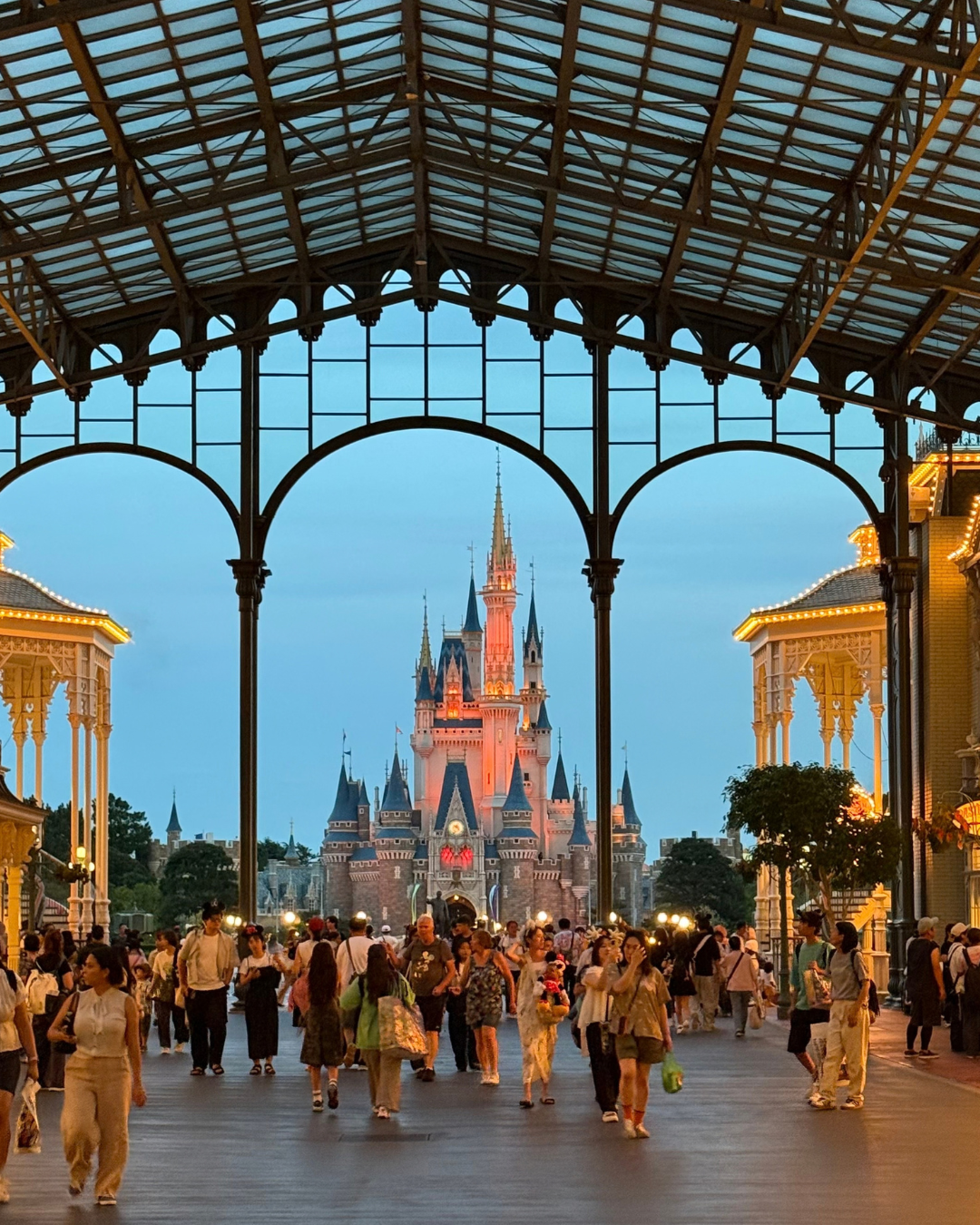
I had never been to Disneyland before and I don’t think I fully understood the magnitude of production until we walked through the gates.
It’s wild, from the music, to Cinderella’s Castle and all of the characters in between - it’s like opening the door to joy. The level of set design is extraordinary and this includes everything from the rides, landscaping, façades, costumes, shows and sound. It really is the happiest place on earth.
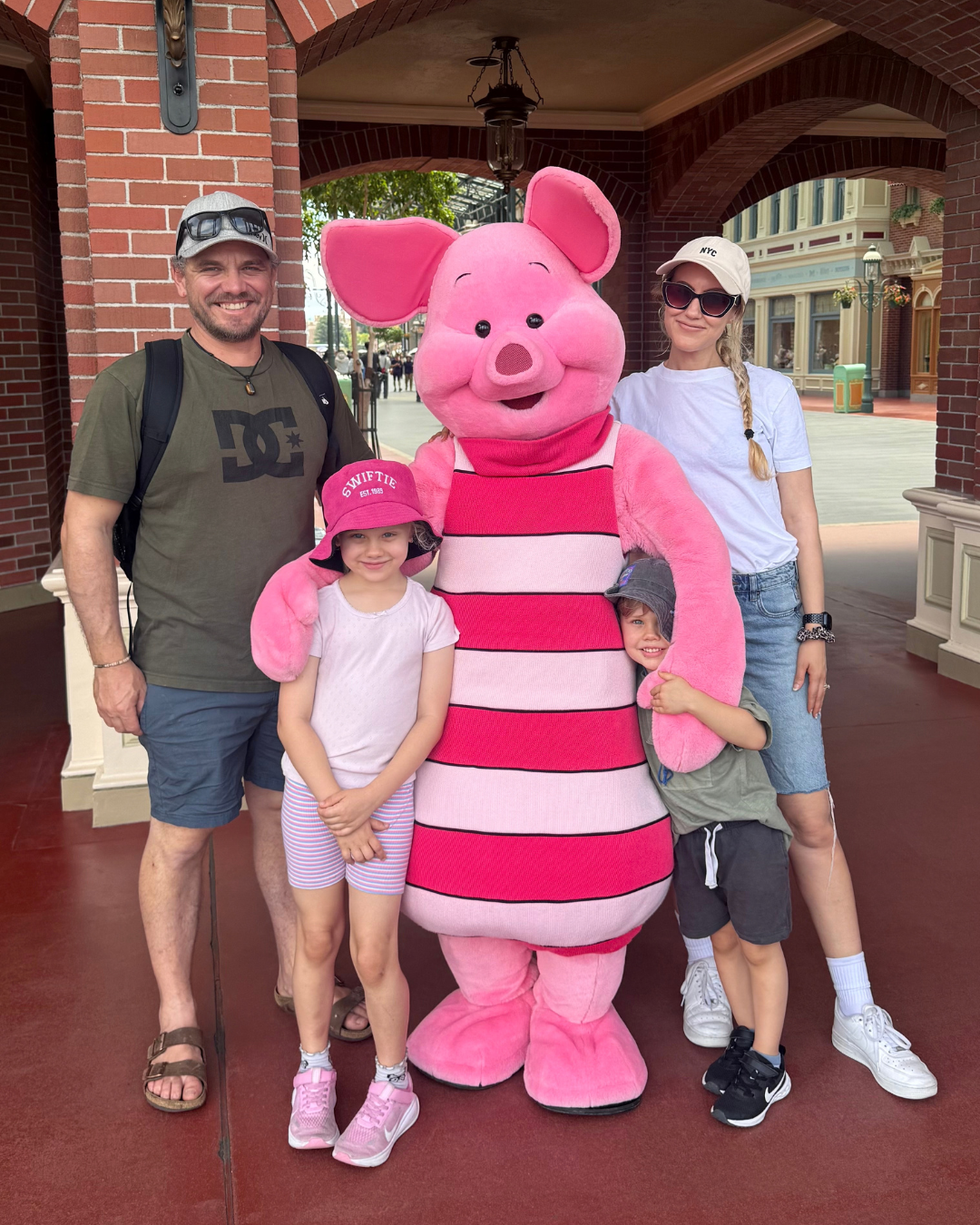
We moved between rides, live shows, character moments and food throughout the day before finishing with the spectacular nighttime light show which was projected across Cinderella Castle.
The park itself is exceptionally clean. Grounds, restaurants and even toilets were immaculate. The staff were also amazing! Always happy and always smiling and waving. They made us feel so welcome.
The food was far more reasonably priced than I had expected. There were plenty of family-friendly options and quick meals available throughout the park so we found eating at Disney a breeze.
We returned to Disneyland the following day and then spent our third park day at Tokyo DisneySea.
DisneySea
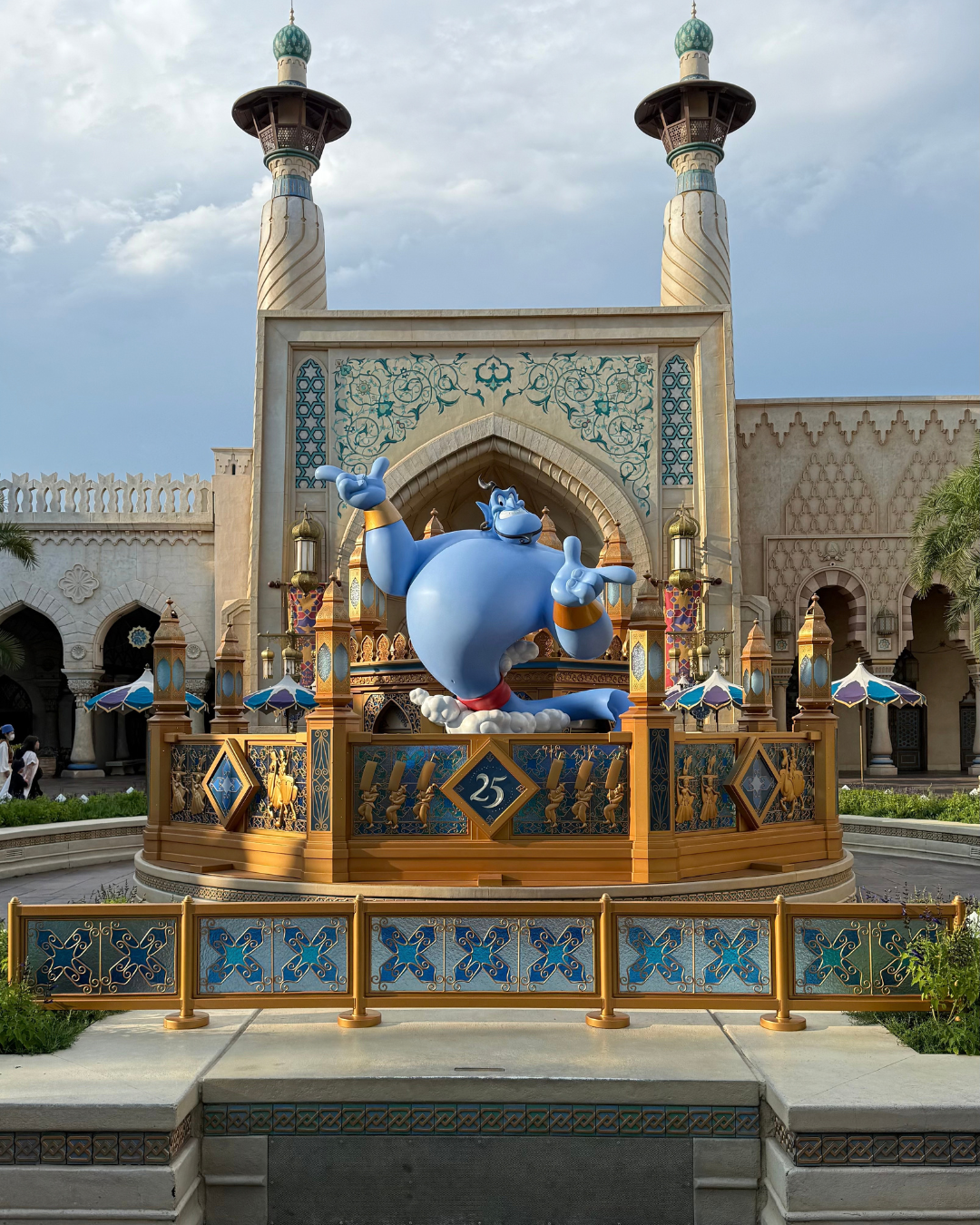
DisneySea is the only Disney park in the world themed around the myths and legends of the sea, divided into eight incredibly detailed “ports”. One moment you’re wandering through a romantic Southern European harbour, the next through turn-of-the-century New York, an Arabian coast, an ancient jungle or the extraordinary Fantasy Springs.
The level of design was astounding.
There are volcanoes, waterways, boats, bridges, fortresses and entire streetscapes all constructed with such attention to detail that at times, you forget you’re standing in a theme park.
Fantasy Springs was particularly magical, with areas inspired by Frozen, Tangled and Peter Pan. Watching the kids physically walk into worlds they knew, but also we knew from our own childhood, was pretty special.
All up, across our Disney days, I think we went on around 26 rides, watched multiple shows, tried some fun and delicious new food and, of course, found a few iconic souvenirs to mark the occasion.
The longest we personally waited for a ride was around 30 minutes, with our average closer to 20. We purchased paid priority access for several of the major attractions - around A$15–$20 per person at the time - allowing us to bypass some queues that were approaching two hours.
For us, with two young children in the heat, worth every cent. The Disney App was a game-changer when it came to navigating the park. It also has live wait times on it so you can strategically decide which ride to do next. Priority passes pop up sporadically during the day so if there’s a ride you really want to go on, I’d snap it up quick.
Again, we ate breakfast at the hotel - a large buffet with a strong Asian influence. If we returned to the hotel early enough in the evenings, we ate at the restaurant there which was quick and easy. There was nothing particularly gourmet about this leg of the trip but it wasn’t about the food anyway.
KYOTO
Take the motion sickness tablets
We took the Shinkansen - Japan’s famous bullet train - from Tokyo to Kyoto, which took roughly two hours.
For my motion-sickness babes - take the tablets before you get on.
Bodhi and I both suffer from motion sickness and got pretty sick. We had absolutely no idea this could happen on the bullet train. Despite how smooth it feels, the combination of very high speed, subtle movement and the landscape racing past your peripheral vision can create that unpleasant disconnect between what your eyes and inner state are registering.
Not chic at all, especially as it took us sensitive souls a couple of days to feel completely normal again.
Stay: Cross Hotel Kyoto
We stayed at Cross Hotel Kyoto in central Kyoto.
Much like All Day Place in Tokyo, you step outside and have an enormous amount at your fingertips.
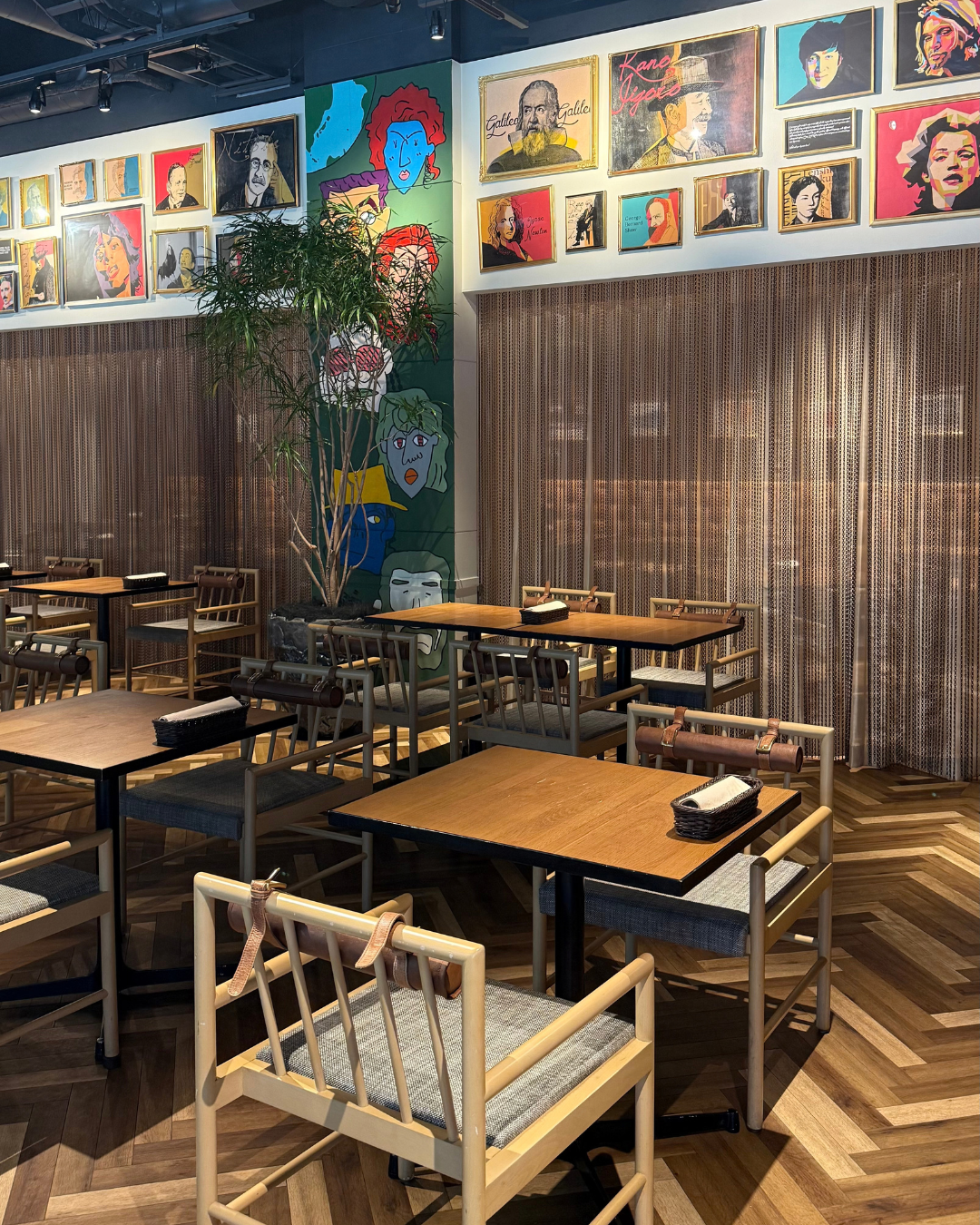
Cross Hotel dining room
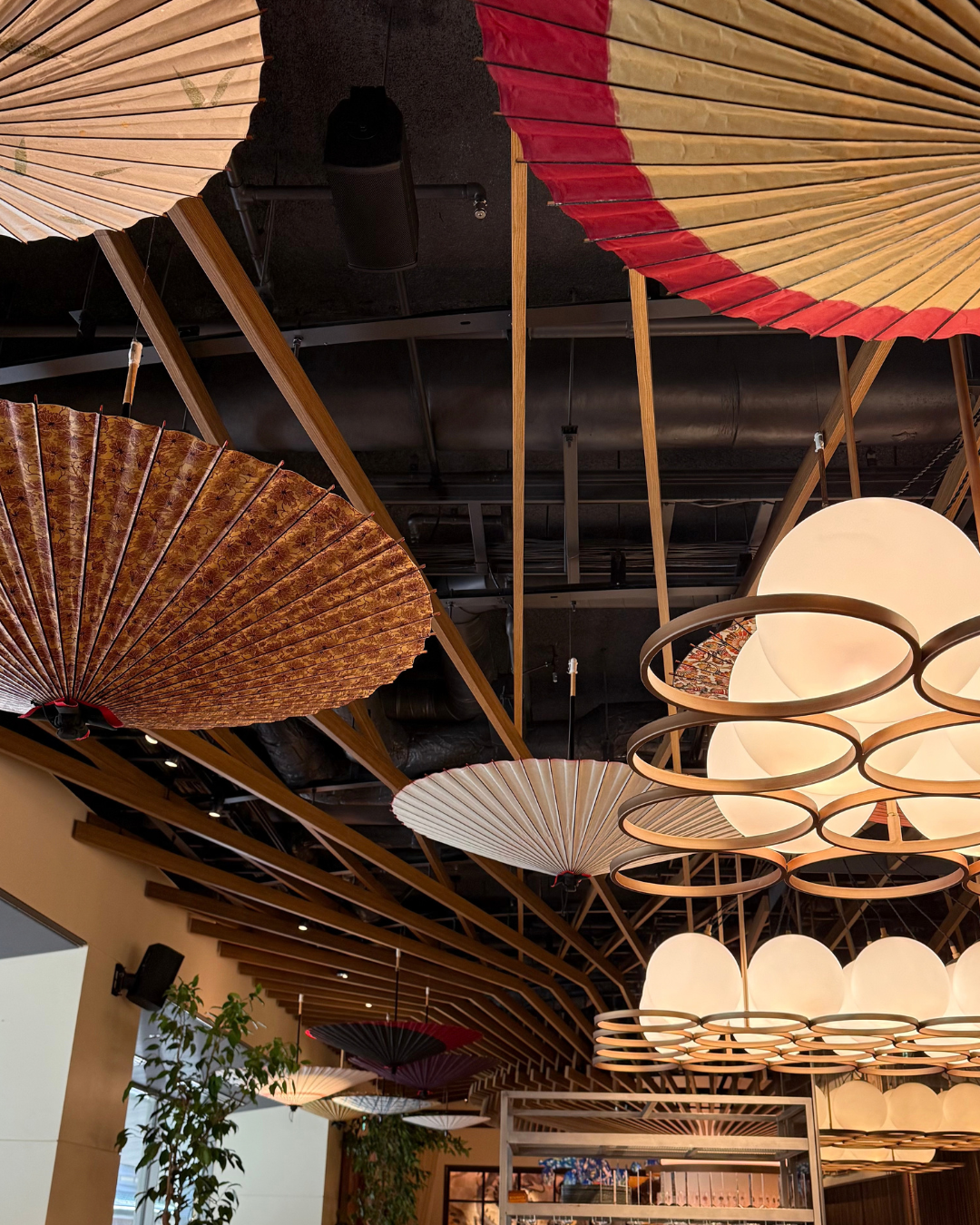
The hotel itself is modern and sophisticated, but its design subtly references Kyoto rather than competing with it. Timber, charcoal, stone and earthy neutral tones create a restrained palette, while latticework, structural beams and layered screens reinterpret elements of the traditional Kyoto machiya townhouse in a contemporary way.
It was polished, clean and felt really sophisticated.
Our daily breakfast was again a buffet, which featured a range of meats, salads, cereals, breads, cheeses and traditional Japanese dishes.
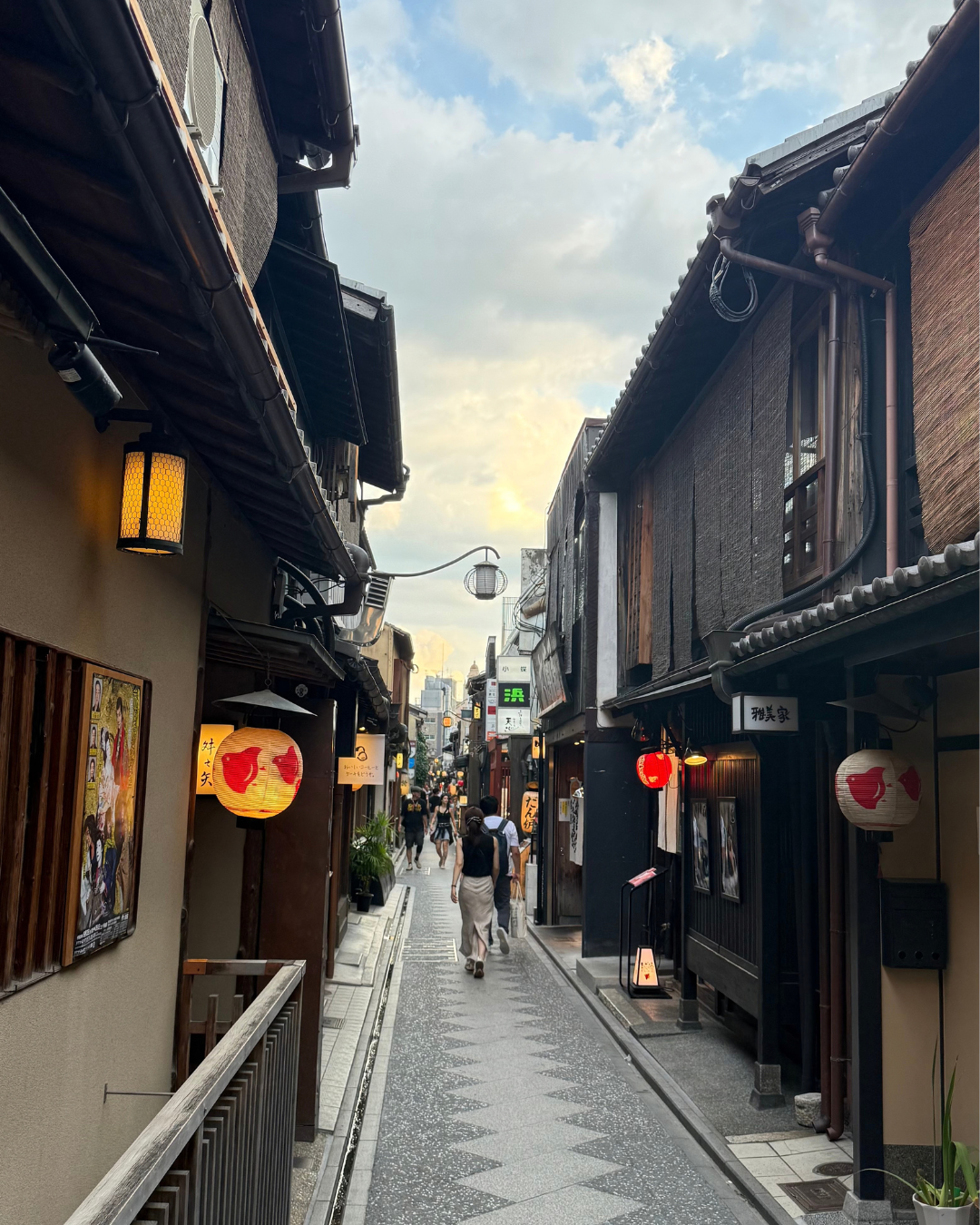
Pontocho after dark
Upon arrival, we headed straight to Pontocho, which is Kyoto atmosphere distilled into one narrow lane.
Running parallel to the Kamogawa River, the long paved alley is lined on both sides with traditional timber buildings, lanterns, tiny entrances, restaurants and bars. Some doors lead to casual yakitori - others to far more traditional dining rooms hidden almost completely from view.
It is gorgeous at night when the lanterns glow and moody shop lights shimmer down the alley.
It is also very popular with tourists, so don’t arrive expecting to have a cinematic little Kyoto alley entirely to yourself. It was super hard to get a good photo that actually captures how unique Pontocho is. The alley itself is like a pedestrian footpath only about two metres wide, with restaurants on either side - drop a few hundred people on it and you’re in shuffle mode. With kids, at night, it is intense but also impossible not to experience.
Arashiyama Monkey Park
An absolute highlight and must do. This was one of our only real nature excursions and something I missed quite a lot. Because the cities are rather large, it can be quite a hike to get to the out-skirts for those nature-based activities.
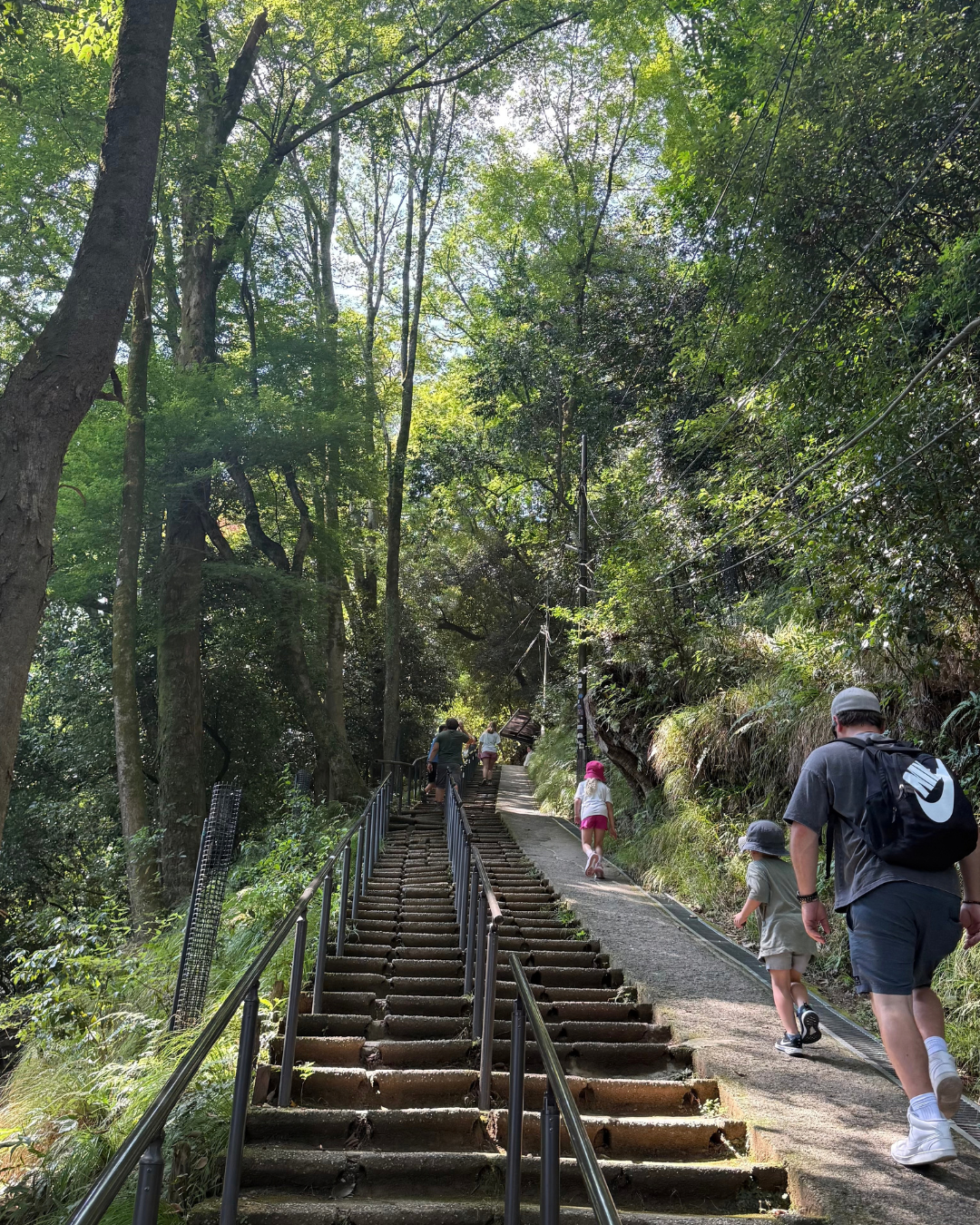
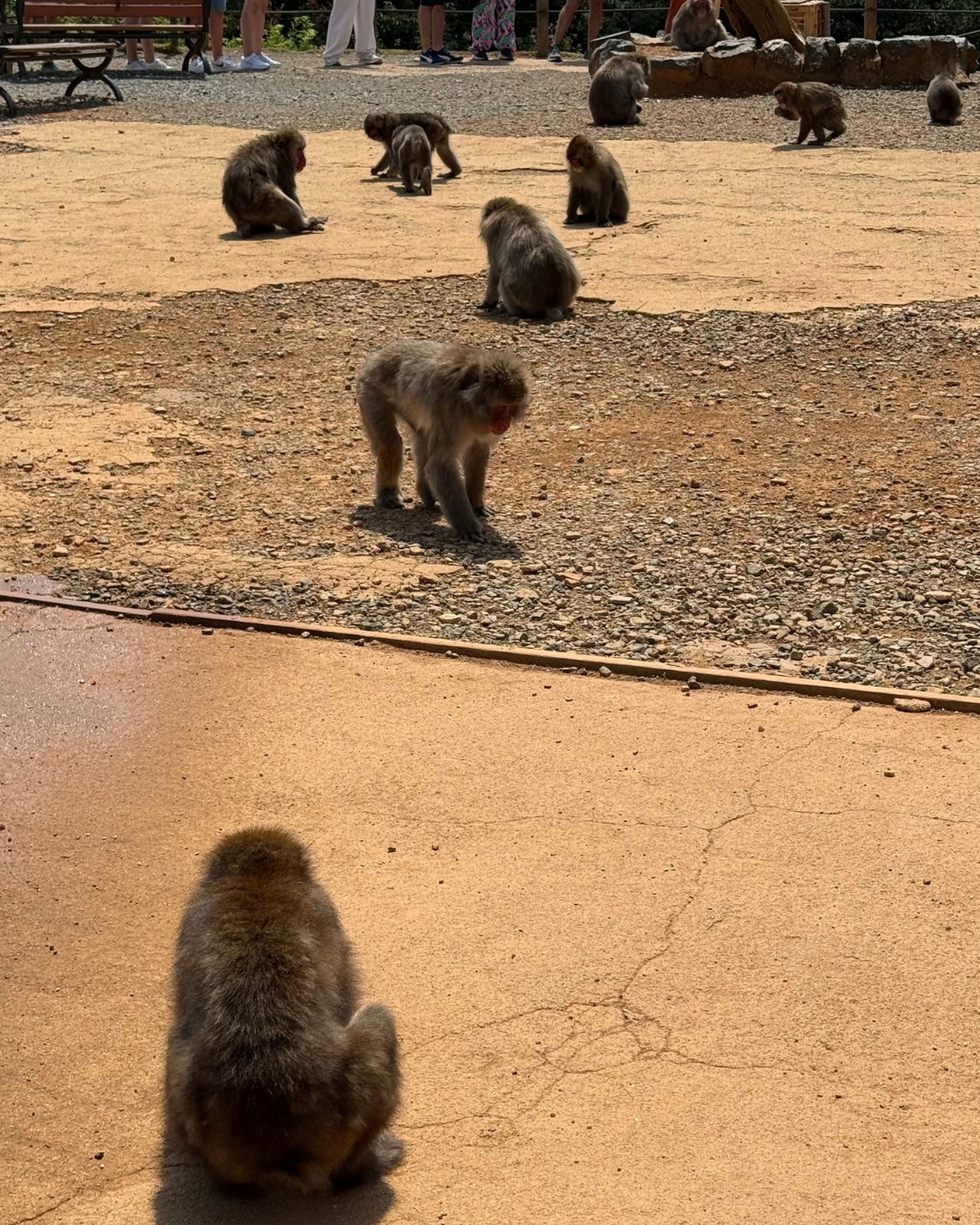
Arashiyama Monkey Park Iwatayama sits high on the mountainside, home to around 120 wild Japanese macaques living freely in the area.
Getting there requires a proper uphill walk but we all like that kind of thing so that didn’t bother us.
The monkeys roam around you in their natural environment, while the elevated position gives you an incredible view back across Kyoto. But to be so close to the monkeys while they sleep, play and even argue - we were honestly captivated for hours!
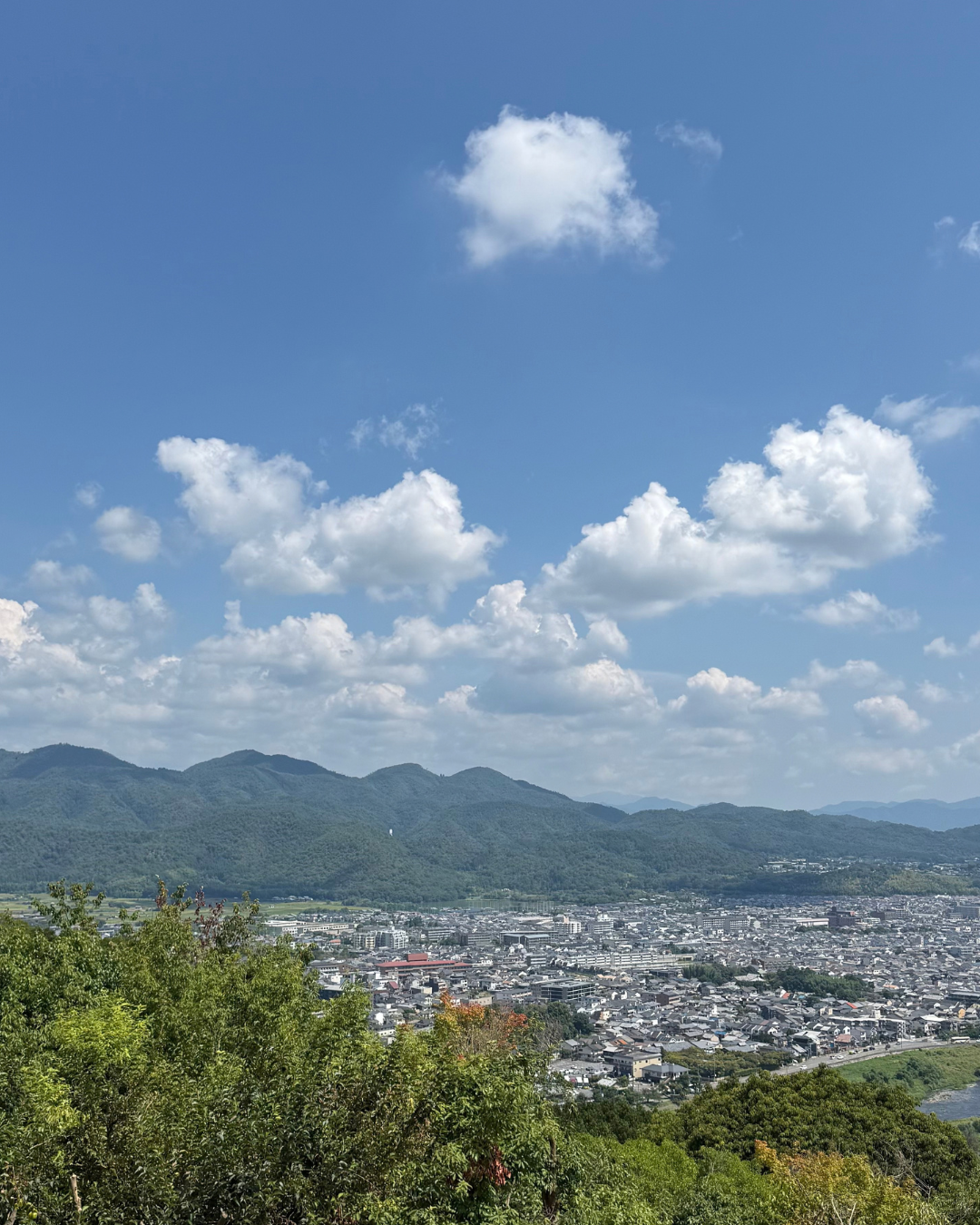
Arashiyama Monkey Park Iwatayama view from the top of the mountain
There is also the slightly surreal reversal where you can buy monkey food and feed them, but instead of the animals inside the cage, the humans go into it while the monkeys remain outside, approaching the wire for food.
As a family who love nature, being outside and animals, this was our jam.
Kyoto’s shopping arcades
Central Kyoto also has an enormous network of covered shopping streets, including Teramachi and Shinkyogoku, alongside the famous Nishiki Market.
These arcades actually go on forever.
Under the covered roof you’ll find fashion, souvenirs, cosmetics, pharmacies, cafés, restaurants, traditional goods and small specialty stores, with Nishiki branching into an especially food-focused experience.
The Kamogawa River at night
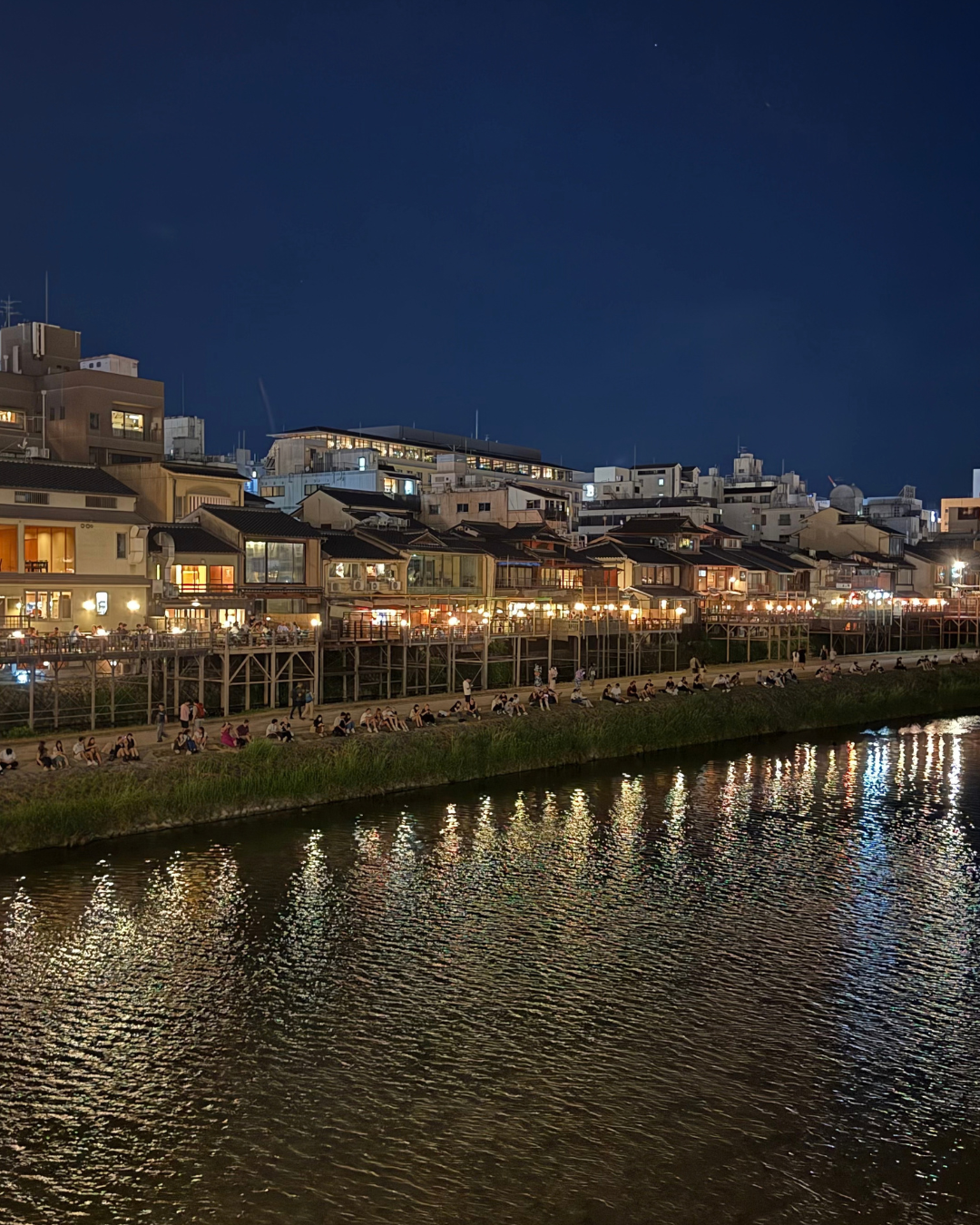
One of my favourite Kyoto moments cost absolutely nothing. At night, the Kamogawa River becomes a beautiful gathering space.
People sit along the banks with food and drinks - music drifts through the air and people walk and cycle along the river while the lights of the city glow around them - it was really pretty to witness.
teamLab Biovortex Kyoto
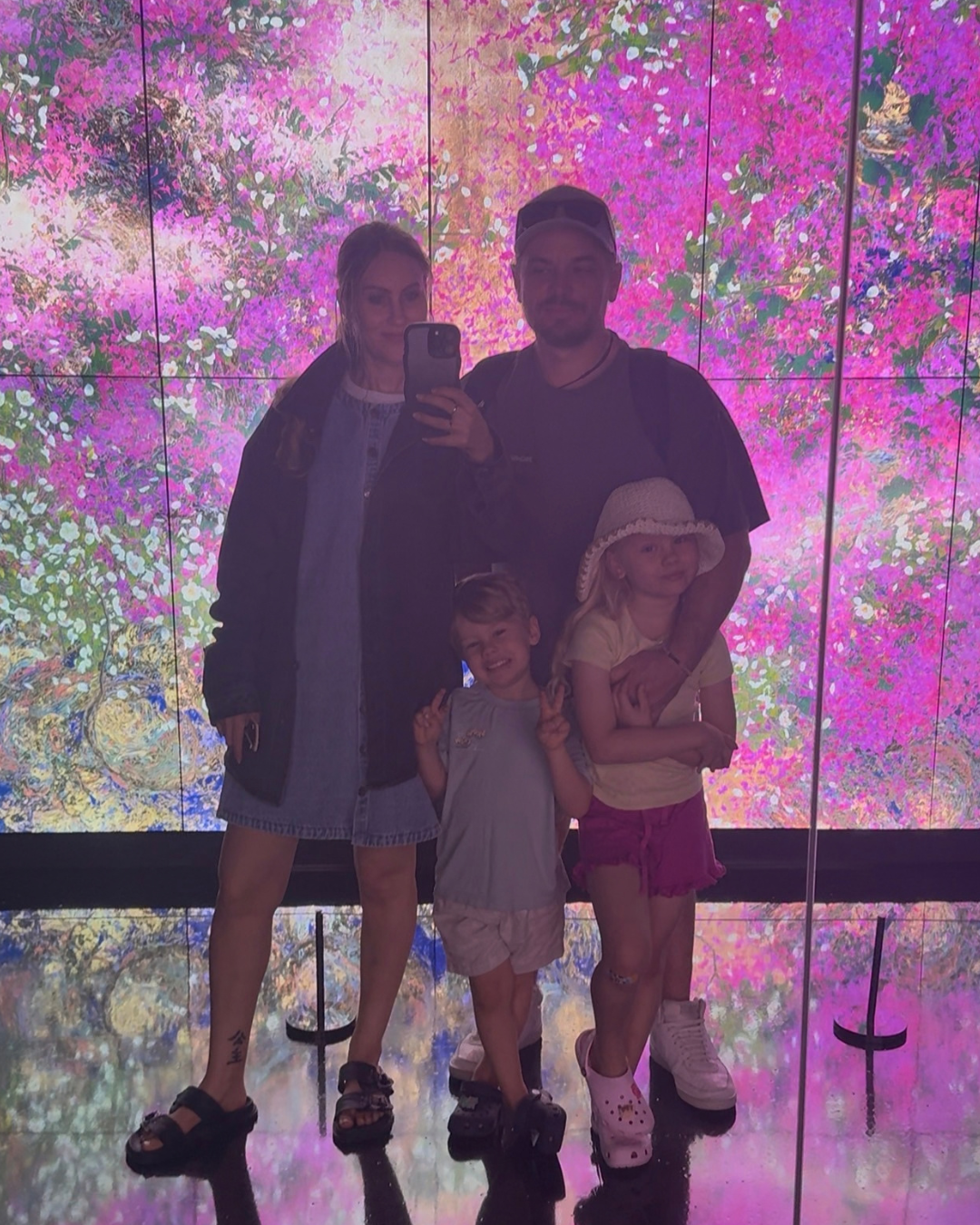
After loving teamLab Borderless in Tokyo, of course we went again.
Kyoto’s teamLab Biovortex shares the same extraordinary philosophy of immersive, boundary-blurring art.

The huge permanent museum contains dozens of works, including Morphing Continuum, Massless Amorphous Sculpture, Massless Suns and Dark Suns, Megaliths in the Open Universe and the beautiful Forest of Resonating Lamps.
There were familiar teamLab ideas and some of the exhibitions were the same but it was just as brilliant the second time as it was the first.
I’ve written an in-depth piece about our teamLab experience, which you can read here.
Food in Kyoto
Food was a little harder for us in Kyoto, particularly with the kids, but one unexpected highlight was Hard Rock Cafe.
Sometimes travelling with children means the culturally enlightened decision is finding something familiar and easy to navigate.
The music was great at Hard Rock, the atmosphere was fun, there was colouring in for the kids (first and last time we found that) and I may or may not have had a few red wines that night so maybe that’s why Hard Rock feels like an especially good night.
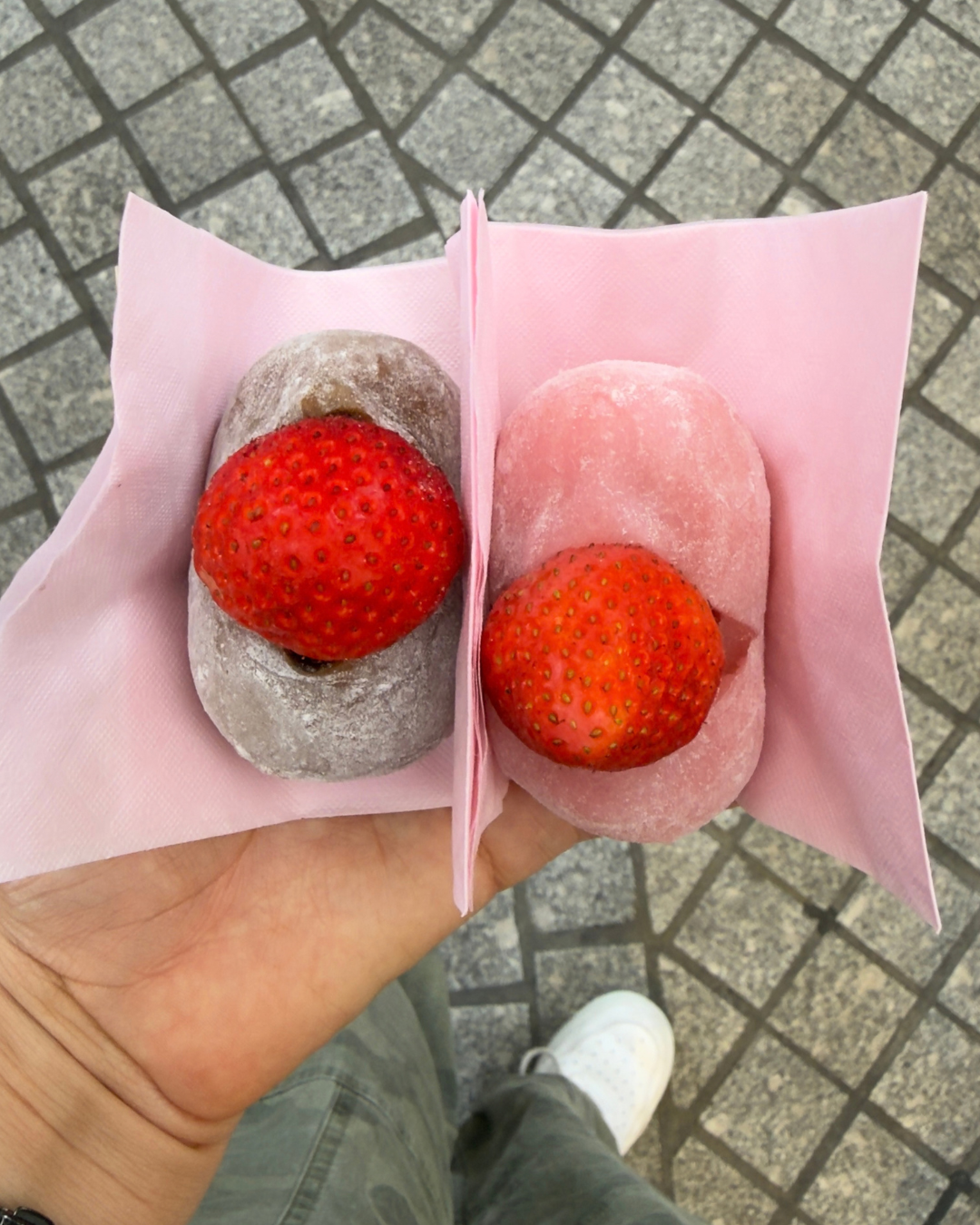
I got hooked on Japanese mochies
OSAKA
Kyoto to Osaka was easy and only took around 30 minutes by train.
Stay: Candeo Hotels Osaka The Tower
We stayed at Candeo Hotels Osaka The Tower, only a short walk from the station.
This felt noticeably sleeker and a little more glitz and glam than some of our earlier accommodation. Rooms sit high above the city and have a classy, contemporary palette, such as clean lines, warm finishes and large windows that make Osaka itself part of the interior.
There were only two large beds and that was the only option, but there was, almost like a daybed along the window, so that helped us spread out.
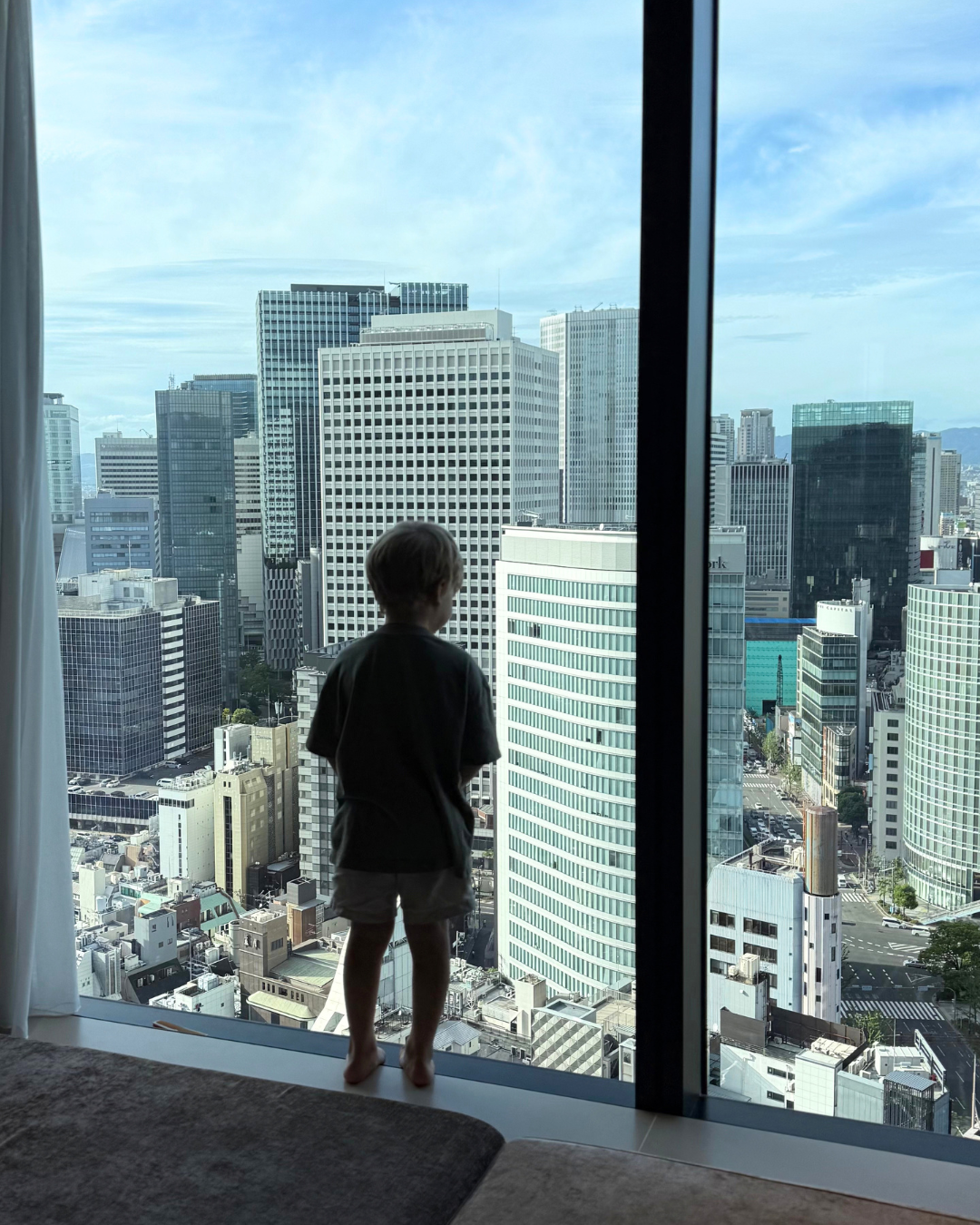
The view from our room at Candeo Hotel Osaka The Tower
Dotonbori
Our Osaka highlight was, by far, Dotonbori.
This is Osaka turned all the way up. Think towering neon signs, giant three-dimensional shopfronts, restaurants, bars, clubs, street food, music and people packed along the canal. The famous Glico Running Man glows above the river while enormous animated signs compete for your attention from almost every direction.
One day we had a lovely walk around the canal and found, quite literally, a downstairs hole in the wall - it was on the outset a dingy little restaurant which turned out to have amazing food, drinks and music.
Eventually when we resurfaced to street level a couple of hours later, it was like somebody had switched Osaka on while we were downstairs.
There were people everywhere and the music was pumping through the crowds - I actually felt like we’d been transported to a festival.
See Dotonbori from the water
We jumped onto one of the little tour boats travelling along the Dotonbori River and it ended up being the best decision ever. We booked this in advance.
From the water, you get a completely different perspective of the buildings and signs - there is this enormous collective energy around the river that you don’t fully appreciate until you’re floating through the middle of it.
Our guides were fantastic. They took photos for us without us even asking and it was cool listening to the history and background of how Dotonbori was established.
The cruise only lasts around 20 minutes and all I can say is that I wish it went longer.
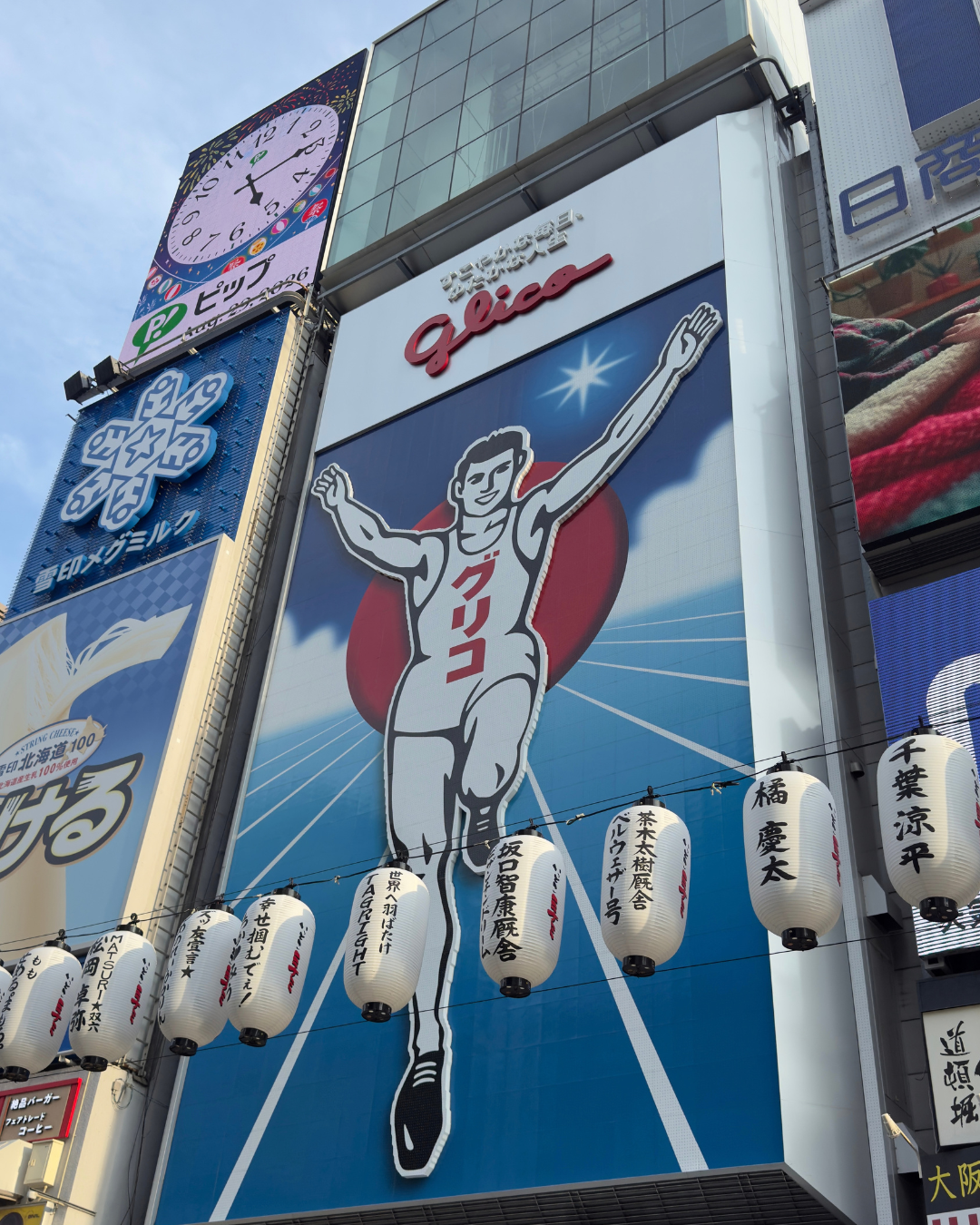
The famous Glico Running Man
Sumo Hall: not to miss!
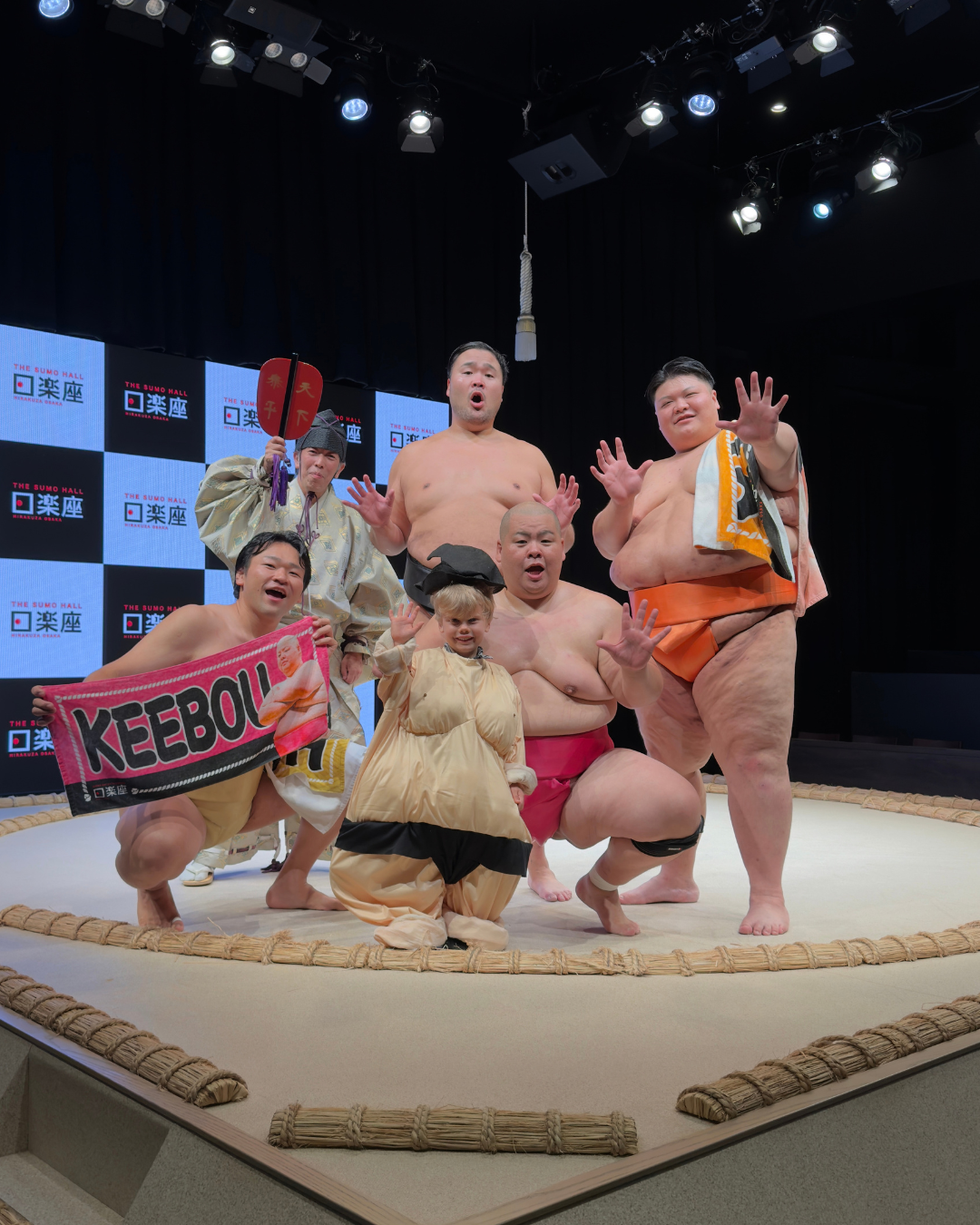
The other major highlight was going to a sumo show and, if you’re in Osaka, I cannot recommend Sumo Hall enough.
We had an absolute ball.
The show blended education and genuine insight into the traditions and techniques of sumo wrestling with live matches and demonstrations.
Our tickets came with a bento box which wasn’t particularly our thing, but food was not the focus.
My little Luca - four at the time - raised his hand so vigorously when the host asked who wanted to volunteer.
Five people would be selected to have the opportunity to take on one of the sumo wrestlers at the end of the show.
With so many people hoping to be picked, we didn’t think for a second he’d get the chance. Then his name came out of the hat!
Watching him get up on that stage, oh my goodness. My mama heart.
I had tears running down my face as the entire crowd cheered on this tiny boy taking on a giant sumo wrestler, completely confident and having the time of his life.
Osaka Castle
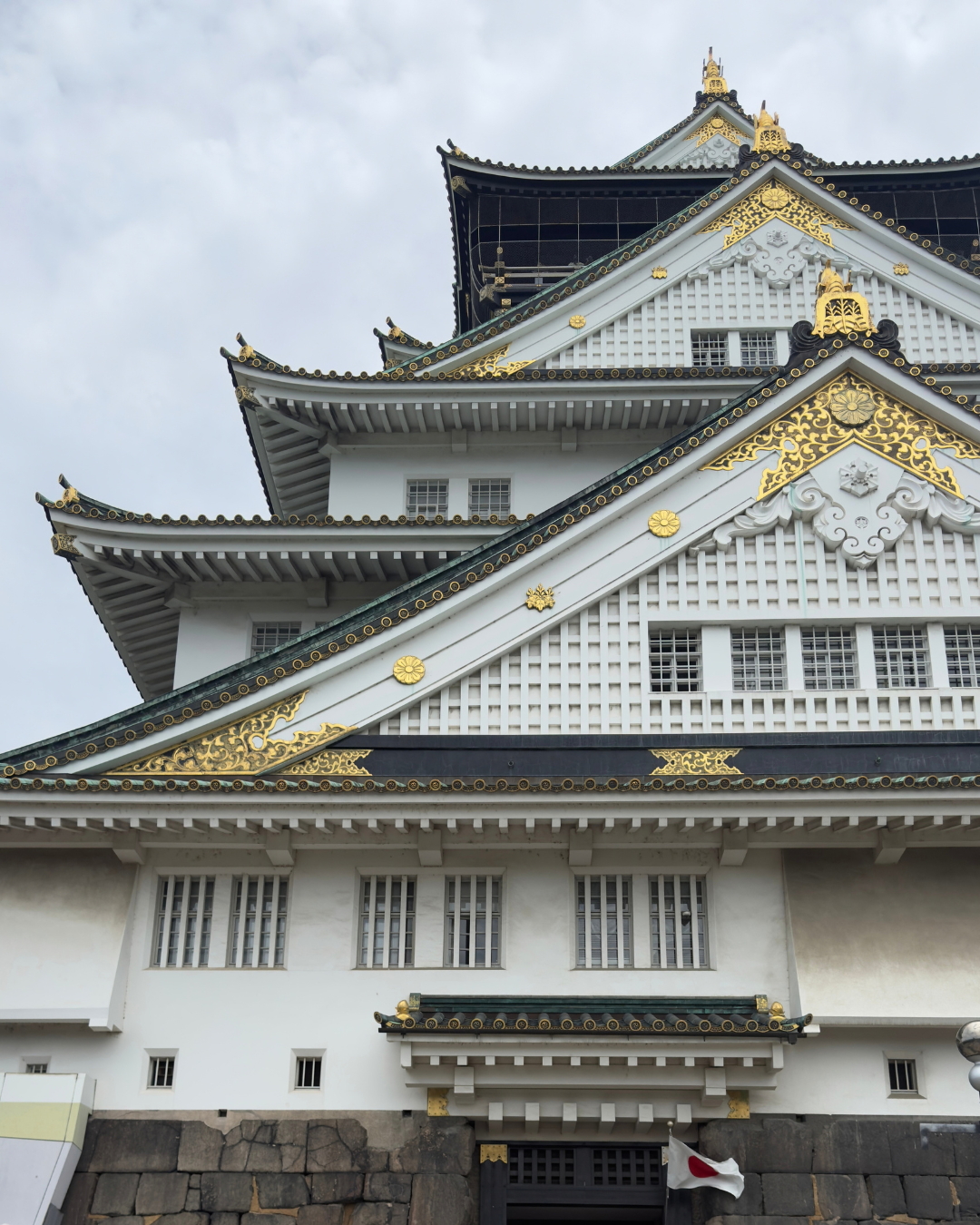
Osaka Castle is one of those landmarks that immediately reminds you how visually layered Japan is.
Originally built by Toyotomi Hideyoshi in 1583, the castle has been destroyed and rebuilt throughout its history, with the current tower reconstructed in 1931. White walls, green roofs and ornate gold detailing rise above enormous stone walls and moats, surrounded by the sprawling Osaka Castle Park.
Inside, the castle operates as a museum exploring Hideyoshi, the Sengoku period and the history of the castle, while the upper level gives you sweeping views across modern Osaka.
That contrast is what makes it so striking with centuries of Japanese history in the foreground and skyscrapers behind it.
Shinsaibashi-Suji
The shopping district that goes for days.
Shinsaibashi-Suji is one of Osaka’s best-known shopping areas - a covered arcade that has existed as a commercial district for hundreds of years.
Today, it is wall-to-wall retail pretty much offering everything you can imagine.
It also connects beautifully into the greater Dotonbori/Namba area, meaning you can quite easily begin wandering and realise several hours later that you have absolutely no idea how far you’ve walked.
I didn’t think it was possible to get shopped out, but in Japan you can. After a while the shops all merge into one. Japan has over 1.18 million retail and shopping locations and an estimated 15,000 traditional shopping streets - get those arms ready, you might have biceps at the end of your trip - those shopping bags get heavy!
BACK TO TOKYO
We finished the final few days of our trip back in Tokyo.
Catching the bullet train back was a million times better because we stopped at the pharmacy beforehand and bought travel sickness medication.
Stay: Richmond Hotel Premier Tokyo Schole
For our final stay we booked the Richmond Hotel Premier Tokyo Schole in Oshiage.
This was a brilliantly practical location.
The hotel sits opposite Oshiage Station and Tokyo Solamachi shopping centre, with an epic supermarket downstairs offering an array of fresh, easy food options.
After weeks of travelling with children, that supermarket felt like luxury. Fruit, salads, fresh snacks and easy dinners were all we could stomach by that point.
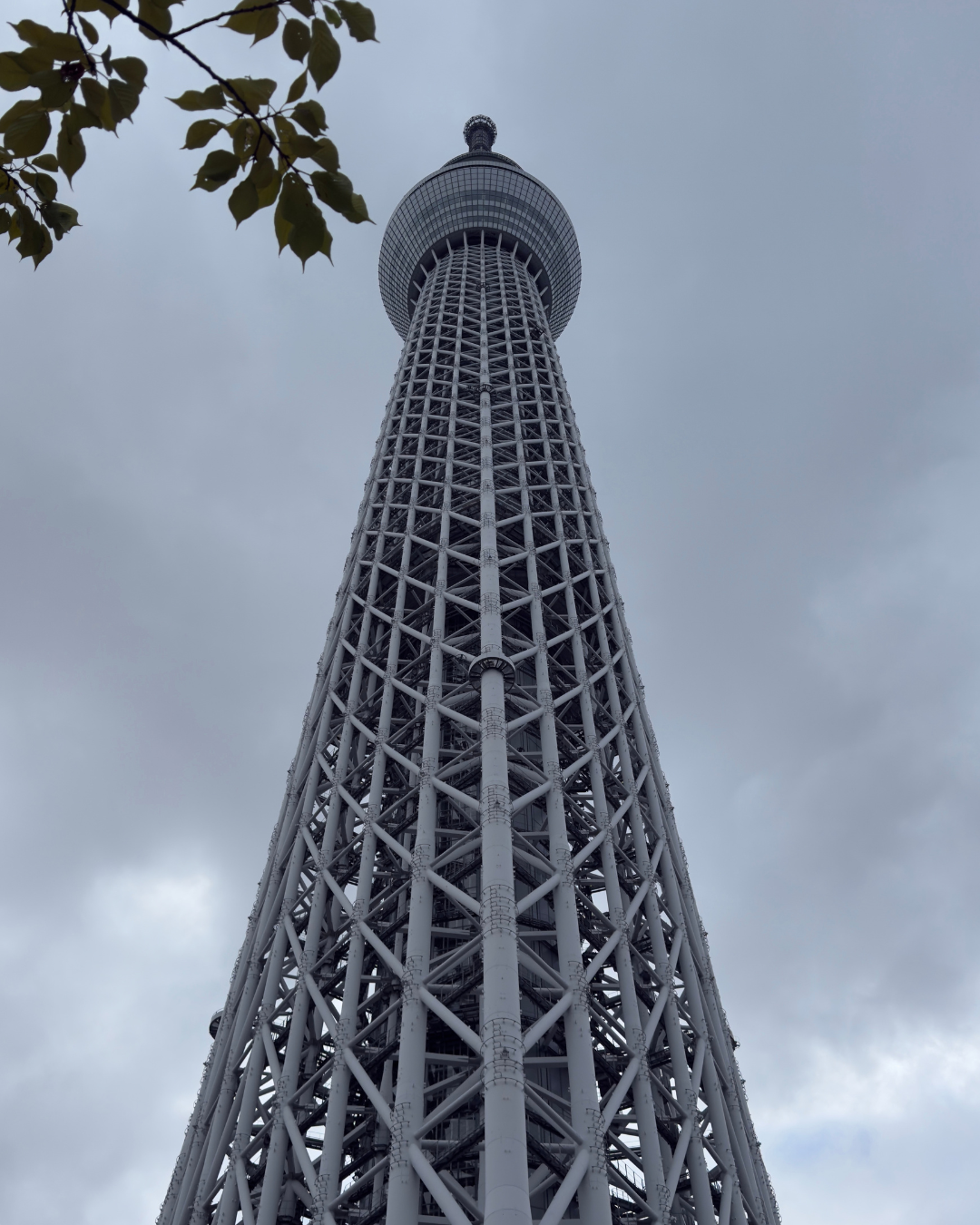
And then there was the view. Directly opposite is Tokyo Skytree, the 634-metre tower that dominates this part of Tokyo’s skyline. Of course, we purchased tickets to go to the top and were met with an unrivalled panoramic view of the city.
During the day it towers over the neighbourhood and at night it lights up the sky-scape. A rather spectacular exclamation mark on our final few days.
Travel notes that could come in handy
There are hardly any public rubbish bins, which is wild when you’re swimming in a sea of millions.
Japan places enormous cultural importance on keeping public spaces clean, and the expectation is often that you hold onto your rubbish until you reach an appropriate disposal point. We started carrying a small rubbish bag with us and that made life much easier.
And despite the walkability being amazing, there was barely anywhere to stop and sit. If you’re travelling with kids, this is worth factoring in. It’s not like there’s no where to sit, but there’s mainly no where to sit.
Benches aren’t scattered across busy urban areas in the way we were used to at home, and eating while walking is also less culturally common. So you kind of have to eat where you buy your food from and then keep moving.
Even crouching to open up one of the kid’s new Popmart toys was a no no and we were asked to stand up.
It’s worth mentioning that all of our hotels had laundry facilities with washers and dryers bar one, but there are laundry mats everywhere so doing washing while we were away was super easy.
Would I do 19 days again?
This article is most certainly the highlight reel of the trip but there were many other little moments along the way that we’ll treasure forever. However, if I were planning the same trip again, I’d shorten it.
I think you could comfortably create an incredible Tokyo–Kyoto–Osaka itinerary in around 14 days give or take, rather than the full 19 days we actually stayed.
Personally, I’d give Tokyo the biggest share.
Japan is intense in all the right ways. There is an extraordinary amount to see, but there is also a lot of sensory information coming at you constantly and once you’ve seen the temples, the anime, the design, fashion and culture - you’ve seen it. Personally, I think compressed trips are best - go in, go hard, go home - or even better Japan is so well connected geographically, you can easily whip over to South Korea or other Asian hot spots in an hour or so.
Final world on Japan
I went expecting to love the fashion, architecture and design, and I did. But some of the moments I remember most clearly are far less polished such as Luca wrestling a sumo, watching the best beat boxer I’ve ever seen busk on a side street in Kyoto, eating mochi’s like they were going out of fashion, conversations with the locals, people-watching, cute sleep overs with my babes, and creating once-in-life-time memories.
You plan the hotels, book the exhibitions, save the restaurants and construct the itinerary - and then the country gives you its own version. Japan gave us a very good one.
A truly iconic travel destination that really does have something for everyone.
Join Mode
Every Sunday, MODE explores the intersection of interiors, psychology, beauty, culture and the art of living well—helping you cultivate an eye for the things that truly deserve your attention.
Subscribe to MODE and join the conversation - delivered to your inbox weekly on a Sunday.