taste is the new status
With its many noted downfalls, there’s no denying that the digital era has given people incredible access to information and knowledge that has slowly started to level the playing field across many aspects of life.
For most of history, learning about architecture, art, fashion, design, literature or anything your heart desires, largely depended on where you lived, who you knew or what institutions you could access.
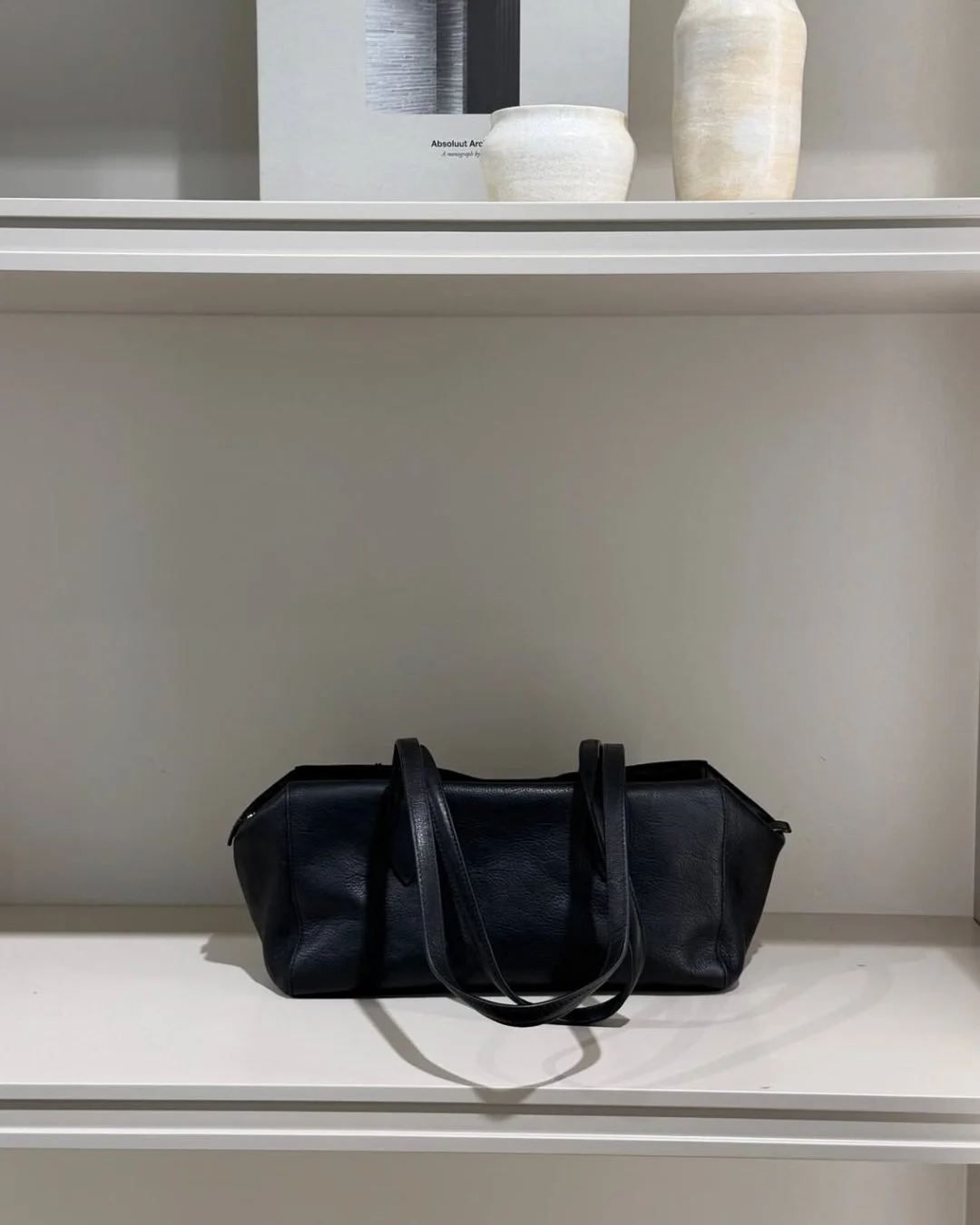
Image Source: Pinterest > Ирина
Today, someone can study world-class lectures, read museum archives, subscribe to independent writers, tour galleries virtually and learn from leading creatives from almost anywhere.
Knowledge has become dramatically more accessible and I wonder if that is having an impact on traditional status hierarchies, with a different kind of who’s who in the zoo now emerging…
For most of history, status has been remarkably easy to recognise.
From land, to titles, to education. Then the size of your home, the badge on your car, the logo on your handbag and the postcode on your letterbox. Every era has found its own way of signalling success. Every generation has developed a language that says, I’ve made it - and by all means, status symbols are still abundant in everyday society but it does appear to be evolving into an interesting new space.
Status has never been static - it’s embedded into culture. And more and more I’m watching the era of taste unfold.
Not taste as a synonym for wealth. Taste as judgement, a cultivated eye, and a uniquely impressive point of view.
This is exciting because for the first time, this rising appetite for distinct, personalised style could gain a position that simply can’t be bought, but instead deliberately cultivated.
The new currency is cultural capital
The French sociologist Pierre Bourdieu argued that taste functions as a form of cultural capital. It signals education, values and social belonging just as clearly as money can. For centuries, however, cultivating taste depended largely on access.
You had to be able to travel, have money, acquire elite invitations and own a sprawling home where square footage dominated over style any day of the week.
Today, that equation looks very different.
As established, the internet has now dismantled many of those gatekeepers.
And while creatives and style-makers can easily quench their thirst from all corners of the globe, many people are realising that this is not just reserved for people who work in stylistic fields such as design, fashion, film, television, art or architecture.
I have a friend who works in HR and she’s an absolute style icon. Rachel has no professional history in design or fashion but the way she forages and finds - I literally want to take classes from her because she has a knack for creativity like no other. It’s so inspiring.
Taste has become dramatically more democratic.
Not because standards have disappeared but because the standards that used to constitute it have begun to expand.
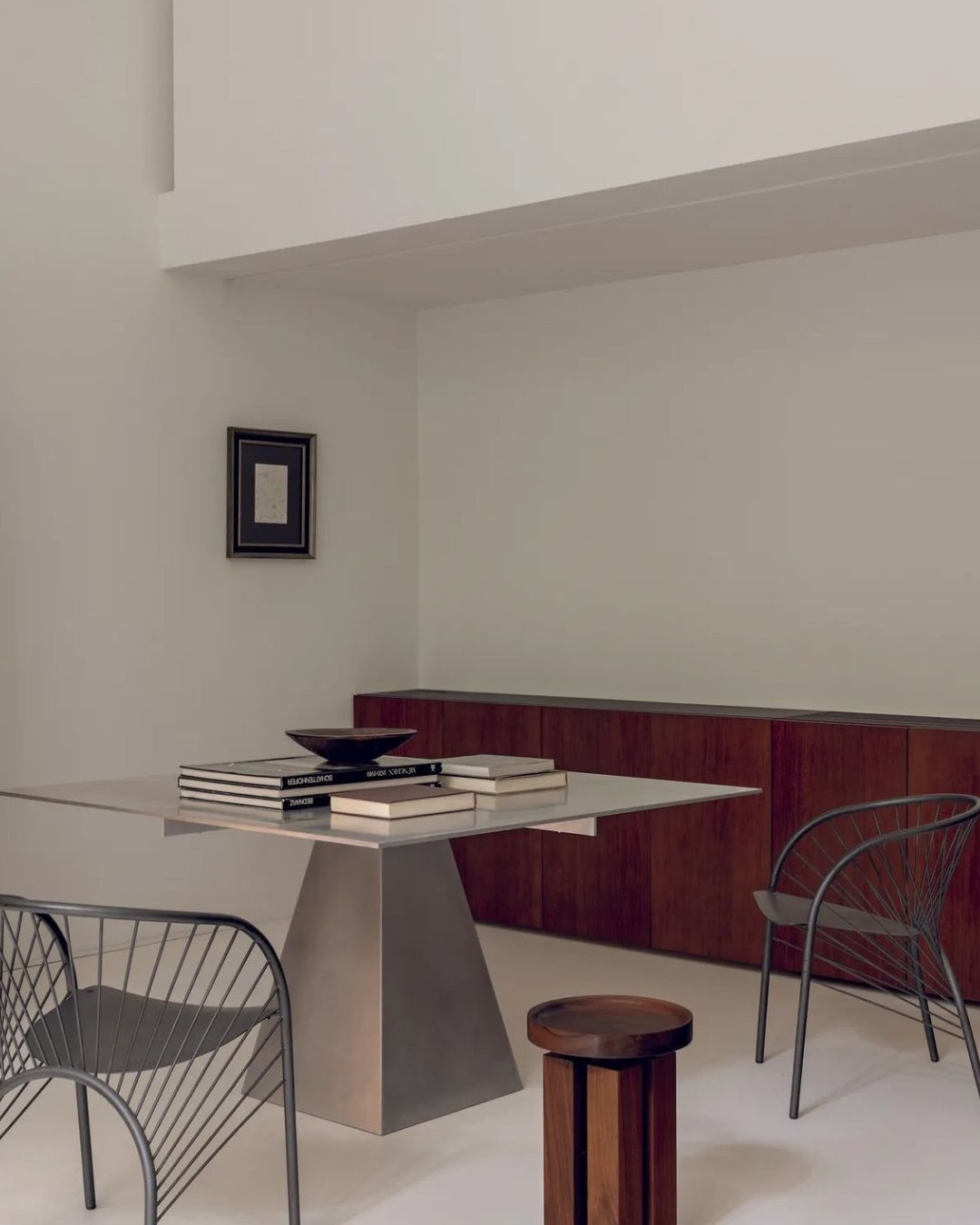
Image credit - Pinterest > Minou
Learning to see
Taste is not a trend and this might be why not everyone has it. True style is less about following ‘what’s in’ and more about following a desire to self-express. There is an identity piece to it. It’s a visual language for the life we live and how we create it.
That’s why people with exceptional taste often seem impossible to imitate.
You’re not looking at expensive objects. Instead, you’re looking at thousands of small decisions layered over years of attention.
With this in mind, taste almost becomes a practice.
The shift from ownership to judgement
This cultural shift is visible almost everywhere.
Fashion has moved beyond obvious logos towards perspective, values and body confidence.
Food has shifted from extravagance to provenance, mindfulness and a true sense of nourishment.
Interiors (which I love) have moved beyond filling every room, towards homes with a clear visual point of view.
Across every creative discipline, the conversation is becoming less about acquisition and more about discernment, refinement, personalisation and stance.
Not ‘What did you buy?’ But ‘Why did you choose it?’
That question reveals more. Because I think we’re increasingly less impressed by excess.
Taste is becoming exclusive
Taste is becoming more and more exclusive which I think is another reason it’s getting pushed up the status pole. Not because of accessibility - it’s been established that proximity is no longer an issue, however, the saturation of ‘sameness’ makes true taste a minority in society.
Algorithms create a look-a-like culture.
This is the counterpoint worth acknowledging because while we have unprecedented access to ideas, recommendation algorithms also tend to reinforce what’s already popular. That can flatten originality by repeatedly serving similar aesthetics, products and opinions.
Cultivating taste therefore requires more than consuming what appears in a feed. While it doesn’t mean shunning the culture and appearing at odds with it - it does mean using a personal distillation system to filter and interpret it through your own lens and then put your own stamp on it.
This is the status shift - possession to perception.
When access to beautiful objects, design inspiration and information becomes widespread, owning something doesn’t necessarily automatically strengthen the signal.
What stands out is the ability to decipher, connect and choose thoughtfully.
That’s where judgment starts to matter more than acquisition.
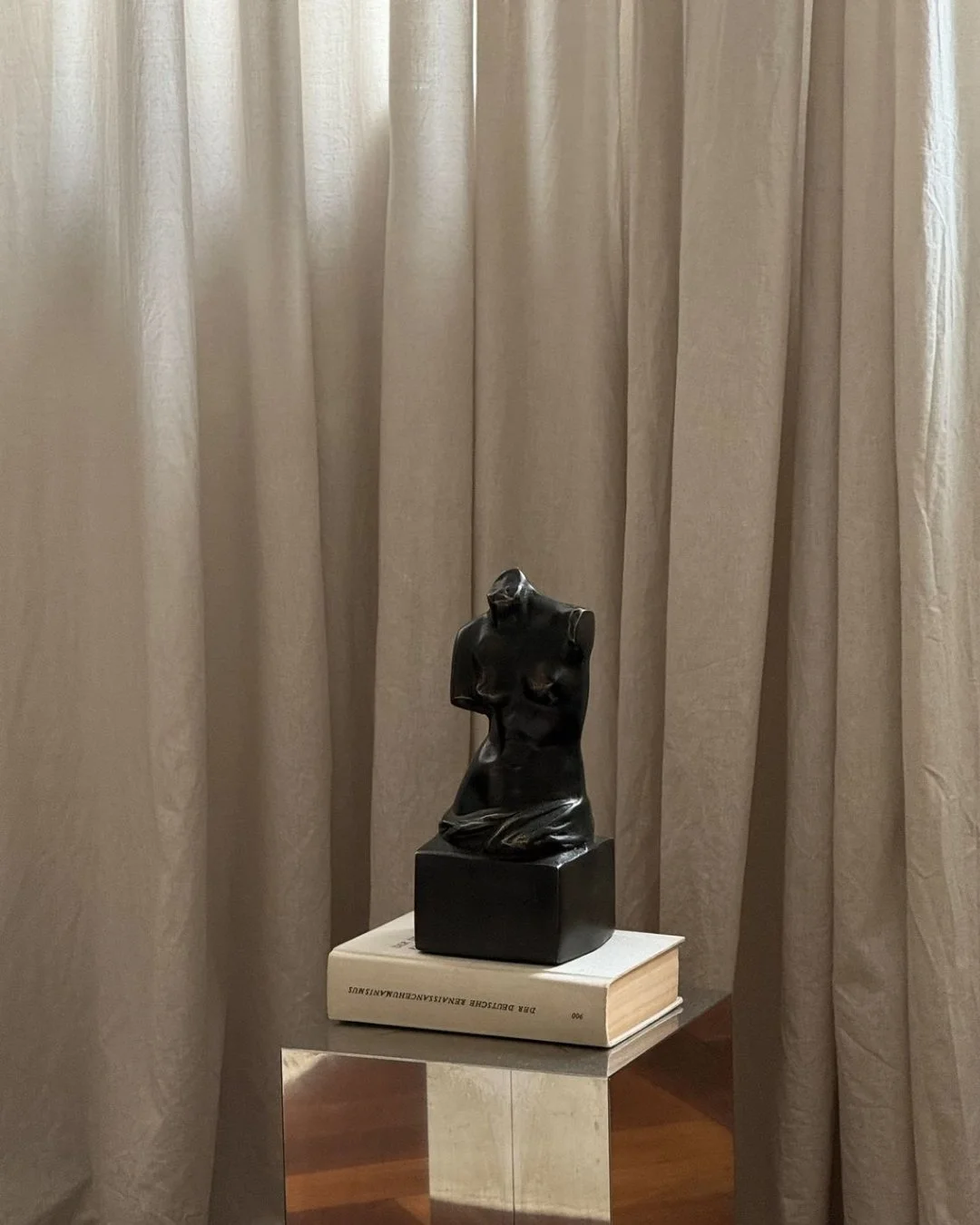
Image credit - Pinterest > Rebecca Elaine Goddard
The future of status
I personally love the concept of being less concerned with proving success through accumulation and more interested in demonstrating thought.
It’s a different kind of status symbol that feels both empowering and really rather liberating.
To aspire to be a tastemaker, not by showing off or saying ‘look at me’ - but feeling so secure in a stylistic perspective because it’s been built through a sense of creativity and intention.
I do truly believe that the people with the strongest point of view are rarely trying to impress anyone. They’re simply paying closer attention to themselves.
Join Mode
Every Sunday, MODE explores the intersection of interiors, psychology, beauty, culture and the art of living well—helping you cultivate an eye for the things that truly deserve your attention.
Subscribe to MODE and join the conversation - delivered to your inbox weekly on a Sunday.