Why are we called to live with beautiful things? And more importantly, what makes an object worthy of living with in the first place?
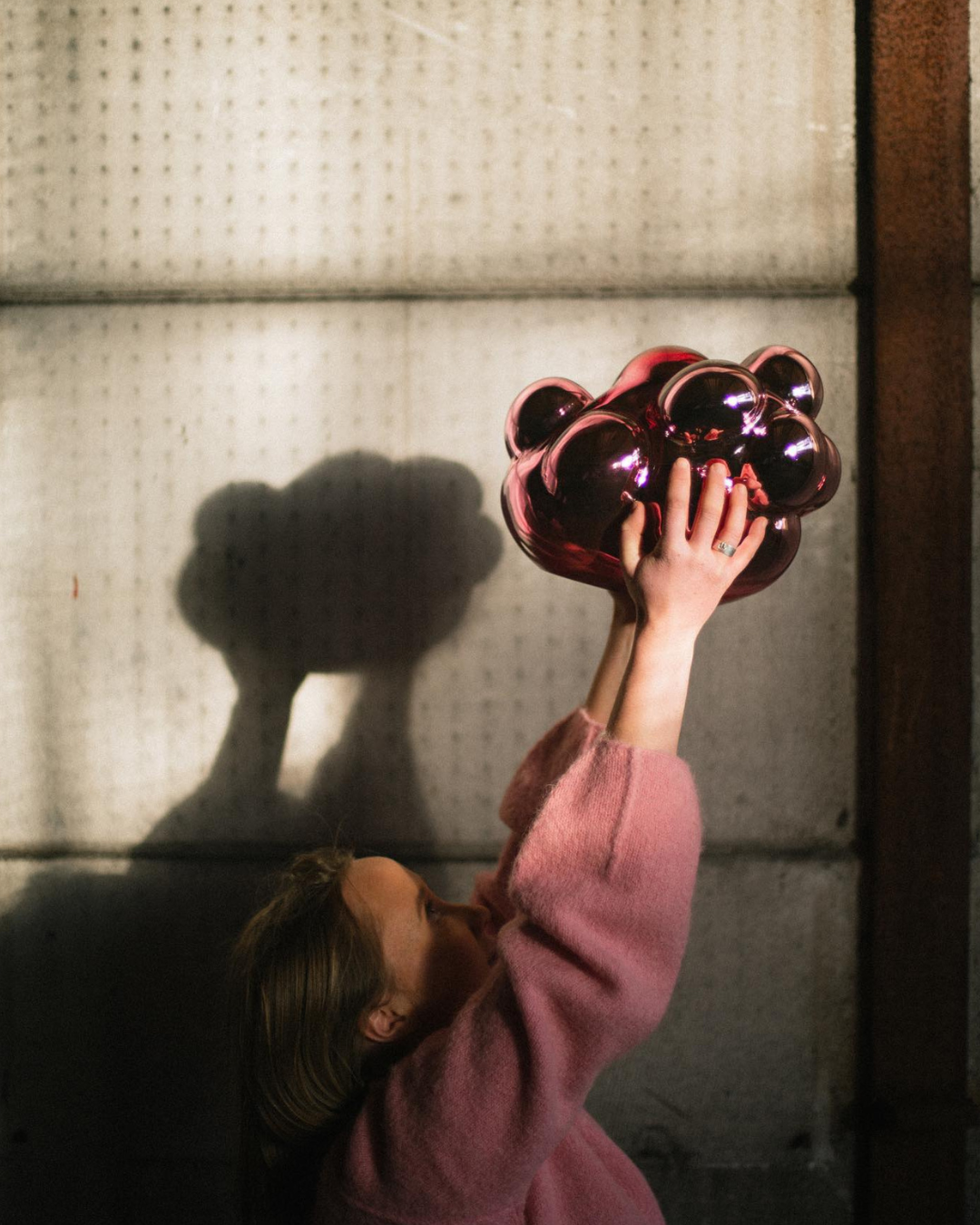
For Swedish designer Lisa Reiser, her sculptural objects, imaginative designs and expressive use of colour have found their way into homes right across the world. But behind studioreiser, is a woman whose need to create is as personal as it is professional - an instinct which goes back as far as she can remember.
Incredibly, despite not coming from a creative background - her mother a teacher, her father owning a hardware store - Lisa’s path was always clear. There was an innate desire to create. Of course, no one knew back then that her inclination towards creativity would lead to one of the world’s most recognisable brands, giant retailer IKEA, selling her work.
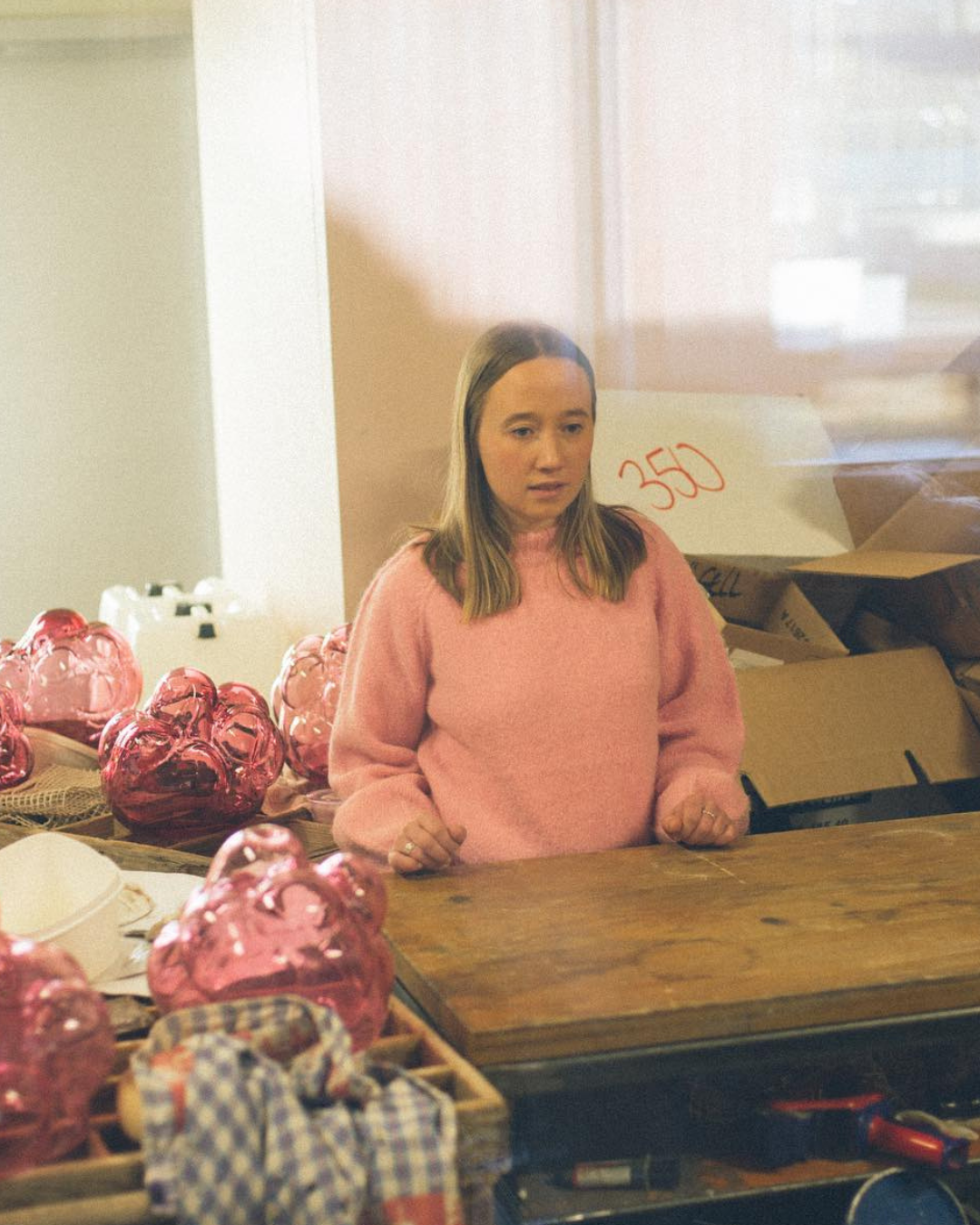
“When I was a really small kid, I always sat by myself and created art and paintings. From three-years-old, I liked to make stuff and work with my hands,” the 32-year-old says.
But sometimes, creativity needs more than natural talent to flourish - it also requires the right mindset to help propel it forward. Luckily Lisa has just that.
“I think I'm really, really stubborn. Like, if I want something, it's going to happen,” Lisa laughs.
True to her word, it did happen - and fast.
After studying product design at Beckmans College of Design in Stockholm, Lisa secured the opportunity of a lifetime - a five month internship at IKEA which would eventually turn into an on-going collaboration.
“IKEA chooses two graduates every year from different design schools all over the world, and I got one of those spots,” Lisa explains.
“It was great. I love working for them because they have a team of engineers who have a lot of knowledge about materials and production methods, and that's the part I probably love most about my job.”
Forging her own way - a career in design
Then, in 2018, and at an astoundingly young 24-years-old, Lisa took the leap to start her own design studio.
“I was really poor. I could barely afford to eat and was living on like €400 to €500 a month,” Lisa remembers.
But the ever-adaptable, multi-disciplined maker wasn’t afraid of starting small, or from the ground up, citing that in the beginning, resourcefulness was the backbone of turning her creativity into success.
“I moved to Småland because I met a boy and he lived in the Glass Kingdom area where all the glass producers are. So then I thought, okay, maybe I should just try to create something from glass,” she says.
“I couldn't afford paying the glassblowers, so I worked for them one day a week for free, and then they blew my designs.”
When people started buying Lisa’s work, she also took advantage of a free office space up for grabs within Belysningsbolaget, a lighting store where she could continue to expand her collections. Lisa had her sights set on getting pieces into galleries across Europe - first in Stockholm, then France, Brussels and Copenhagen - this became a clever distribution channel to sell her designs while exposing her work to new audiences.
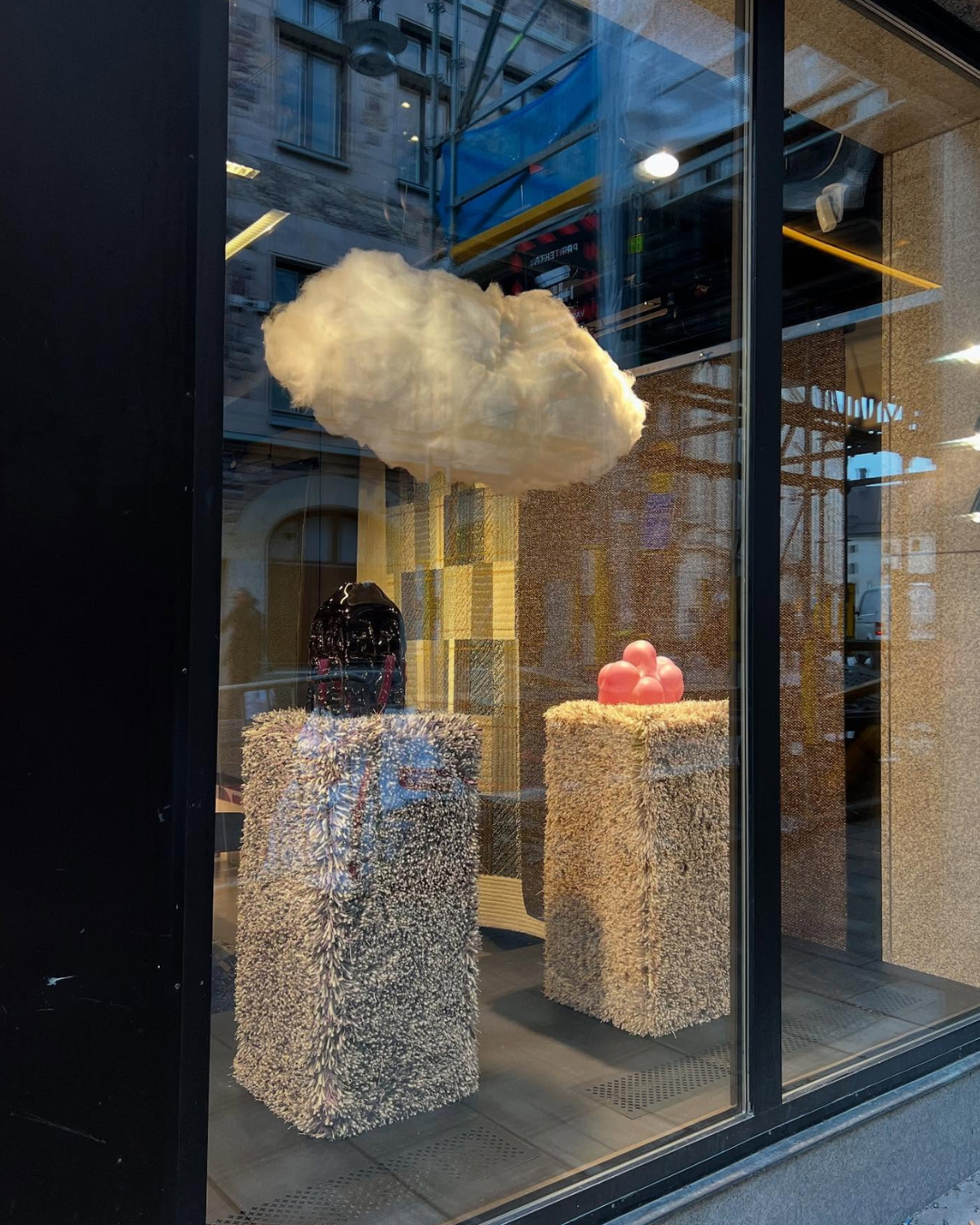
It’s safe to say Lisa’s studio blossomed - and simultaneously so too did her exploration into new and tactile materials.
“I like working with metal, ceramics and wood. I think all materials are exciting. But glass does have some qualities that I appreciate because it's quite fast to work with. You can see results within 24 hours, and that’s the final result, so you don't need so many steps.”
But her design style is not the only thing that’s changed over time. The way she approaches how she designs has also evolved following a recent ADHD and autism diagnosis.
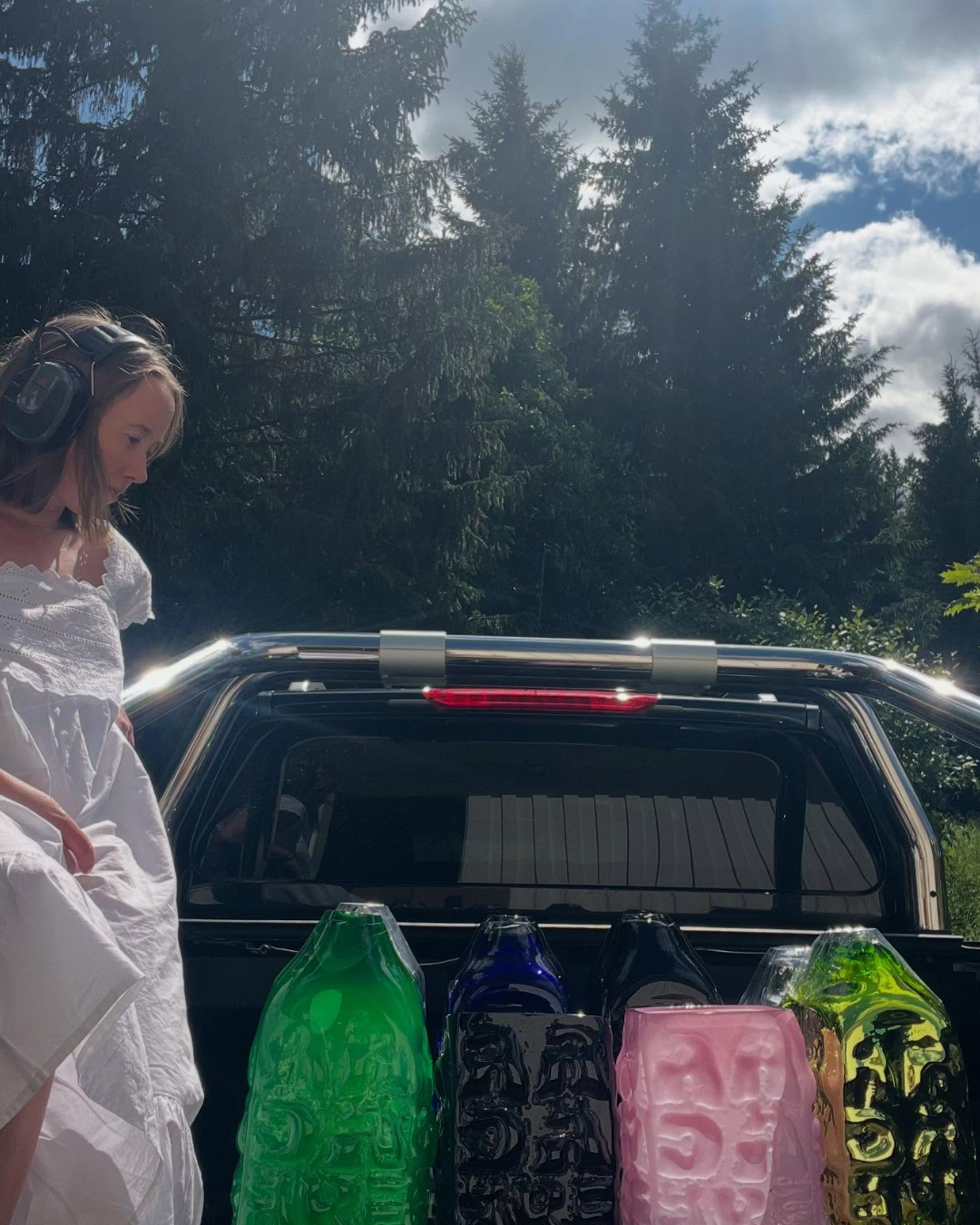
Designing with a different mind-set
“The planning part has become a bit different since I started my medication for ADHD. Before I was really spontaneous and I was just like freestyling,” Lisa says, adding that these days she’s far more planned.
In fact, learning that she’s neurodivergent has also prompted Lisa to think about how she designs her life outside the studio too, with the talented creative mentioning she’s interested in learning more about the connection between our surroundings, possessions, and the impact they have on the nervous system.
“I think the environment you're living and spending your time in is super important, and I'm still trying to learn how to design this for myself,” she confesses. “Storage, colour, structures and materials all play a role”.
“For example, I notice that I only enjoy materials that are natural - like metal, wood or linen. I don't like laminates or coatings. It gives me some kind of feeling that I don't appreciate.”
Lisa adds that she and her boyfriend are currently in the process of renovating an old church which they eventually plan to move into. She’d like the space to feel clean, calm and clutter-free and is incorporating ample storage into the design to keep any overwhelm or obvious distractions at bay.
“My vision is to make storage work for me - so I'm asking the questions like, ‘How am I behaving in my home? What are my patterns? Where are my problem areas? What do I appreciate?’ I hate noises, so now I’ve built cabinets for things like the microwave so I can just shut the doors”.
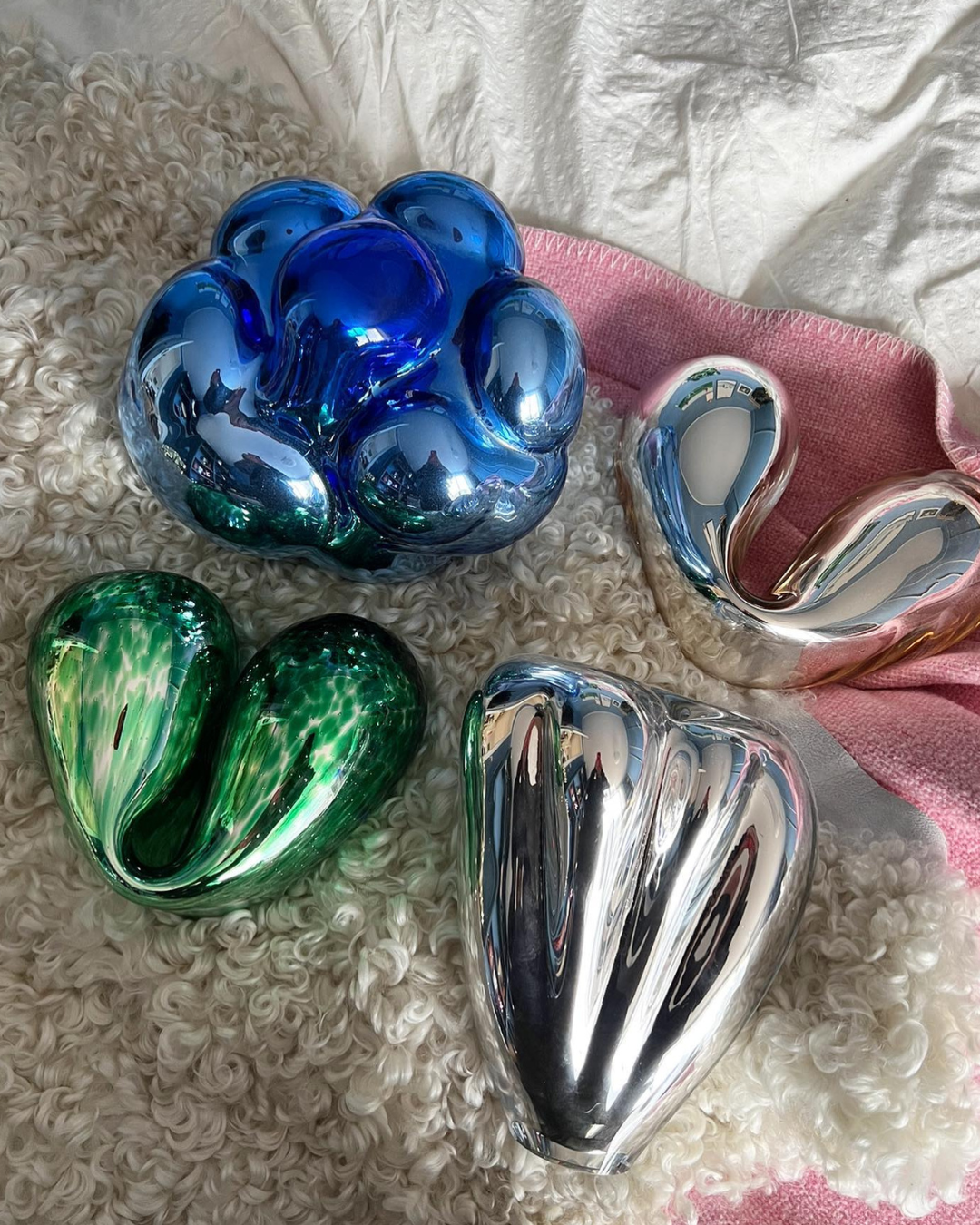
A feeling for colour
Then there’s colour, which Lisa factors into everything.
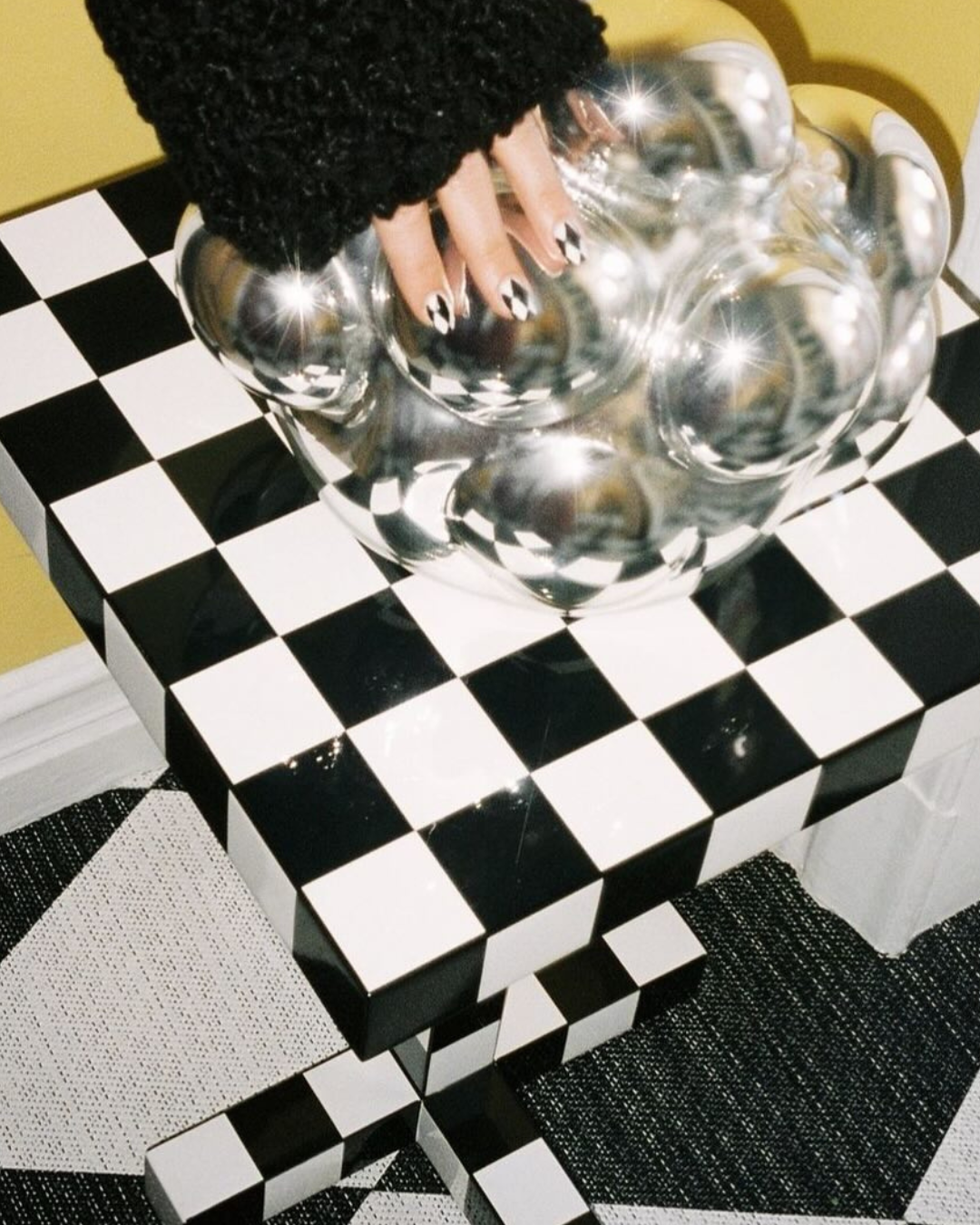
“Colour is really interesting to me because it evokes so many emotions - it's such a powerful way to express,” she notes - which is also clearly evident in her work. Not only does it feel eclectic and sculptural in shape, but many of her pieces feature vibrant, bold colour pallets that feel playful, punchy and wildly dynamic.
For the contemporary designer, it’s all about the pops.
“I like a few things that really have strong colour to them - that’s fun, but I don't want too much colour in one room at the same time so maybe it’s a complicated relationship,” she giggles.
More than just creativity, there’s also a sentimental and personal aspect to Lisa’s work. She believes that the things we collect in our homes, be it a sculpture, vase, candle stick, decorative object, art or keepsake - can evoke something unique and special. She describes it as a seventh sense.
“Some things may not seem to have an obvious purpose, but in fact it’s purpose is how it makes you feel,” Lisa says.
Perhaps that is the product designer in her. Making things that make sense beyond their primary function, into a dimension that transcends apparent everyday use and into a more meaningful territory of expression, emotion and storytelling.
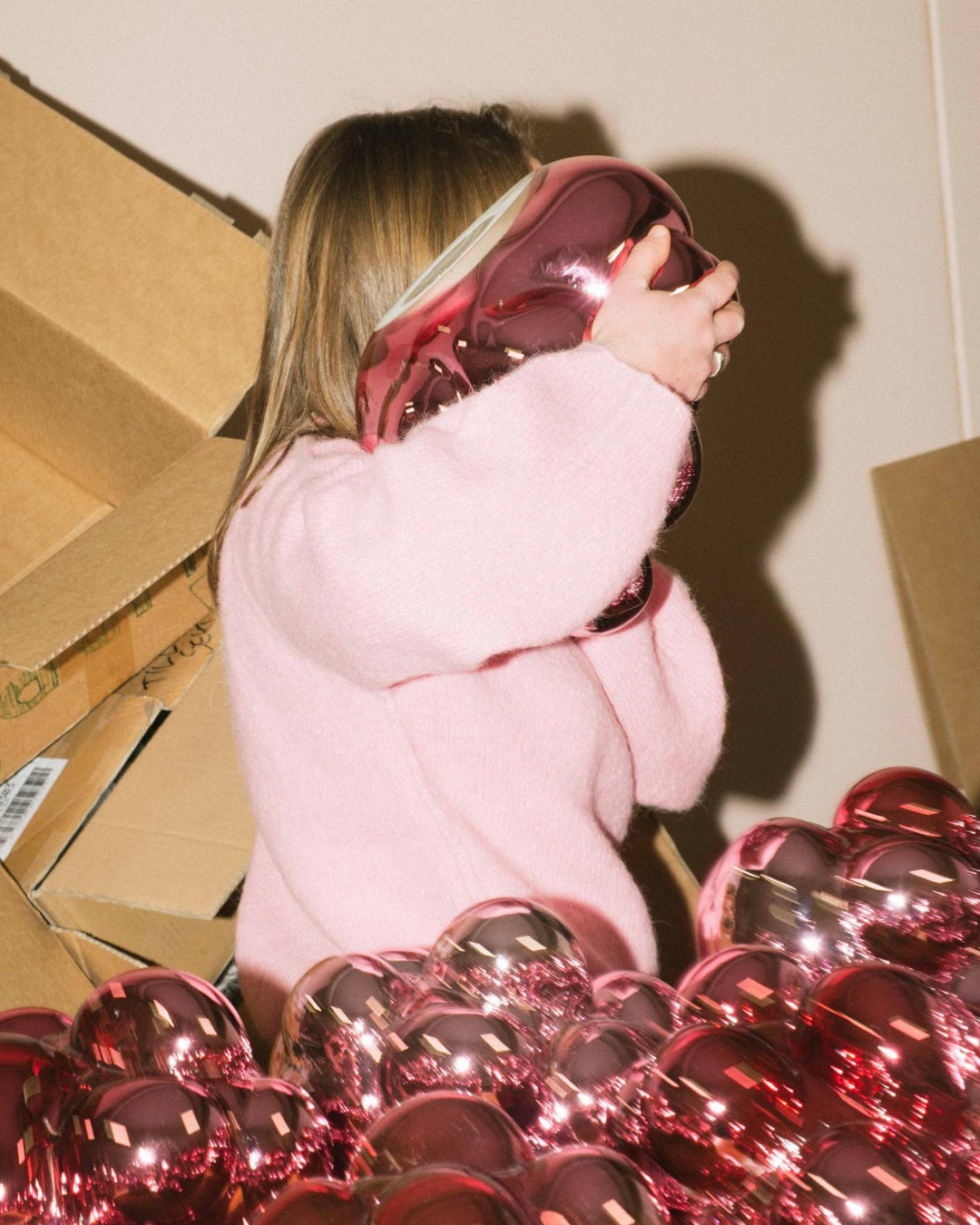
Living with an idea
But as most artists know there’s no guarantee that every creation will land commercially. Some may say that that pressure could feel even more magnified due to Lisa’s high profile partnerships, but her mindset remains surprisingly practical.
“I’m not always sure how other people are going to receive my art, and sometimes I'm not sure if I like it,” she admits.
“So if I'm not sure I make a prototype and then I have it in my home until I know. I’ll see it every day and if I still like it a few months later, then it's probably okay. I think my intuition is quite good at this point and I work with that a lot. I know if it’s good or bad quite quickly.”
From there, Lisa says she’ll only make a small first batch and wait for public feedback.
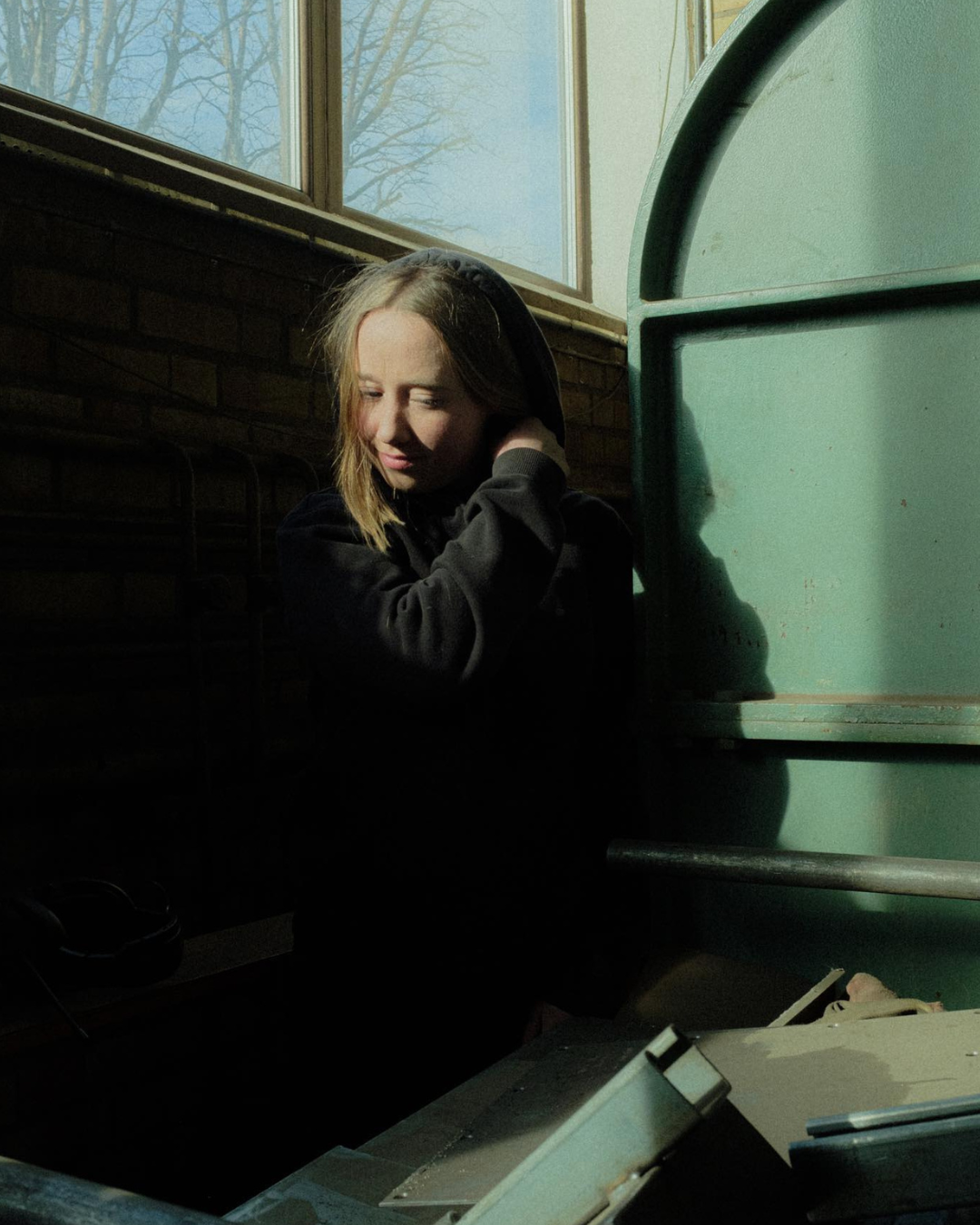
“If it’s successful, then maybe I do more depending on what guidelines I set up for myself first, because sometimes I make limited editions and then you can't make more.”
With so many achievements from such a young age, it begs the question what inspires Lisa to keep going?
“Creating is a drive,” she says. “I need to do it to feel well and be myself.”
“Other parts of life can make me really tired because with my neurodiversity I really struggle with things like remembering what to buy from the grocery store, or being hit with the stimuli of doing it, or even cleaning is super hard. So I can get really tired - even just keeping up all my social relationships can be an effort but creating, creating things never gets me tired.”
For Lisa, self-care has become a really important part of her world, sharing that taking time to pause is one way she avoids burnout.
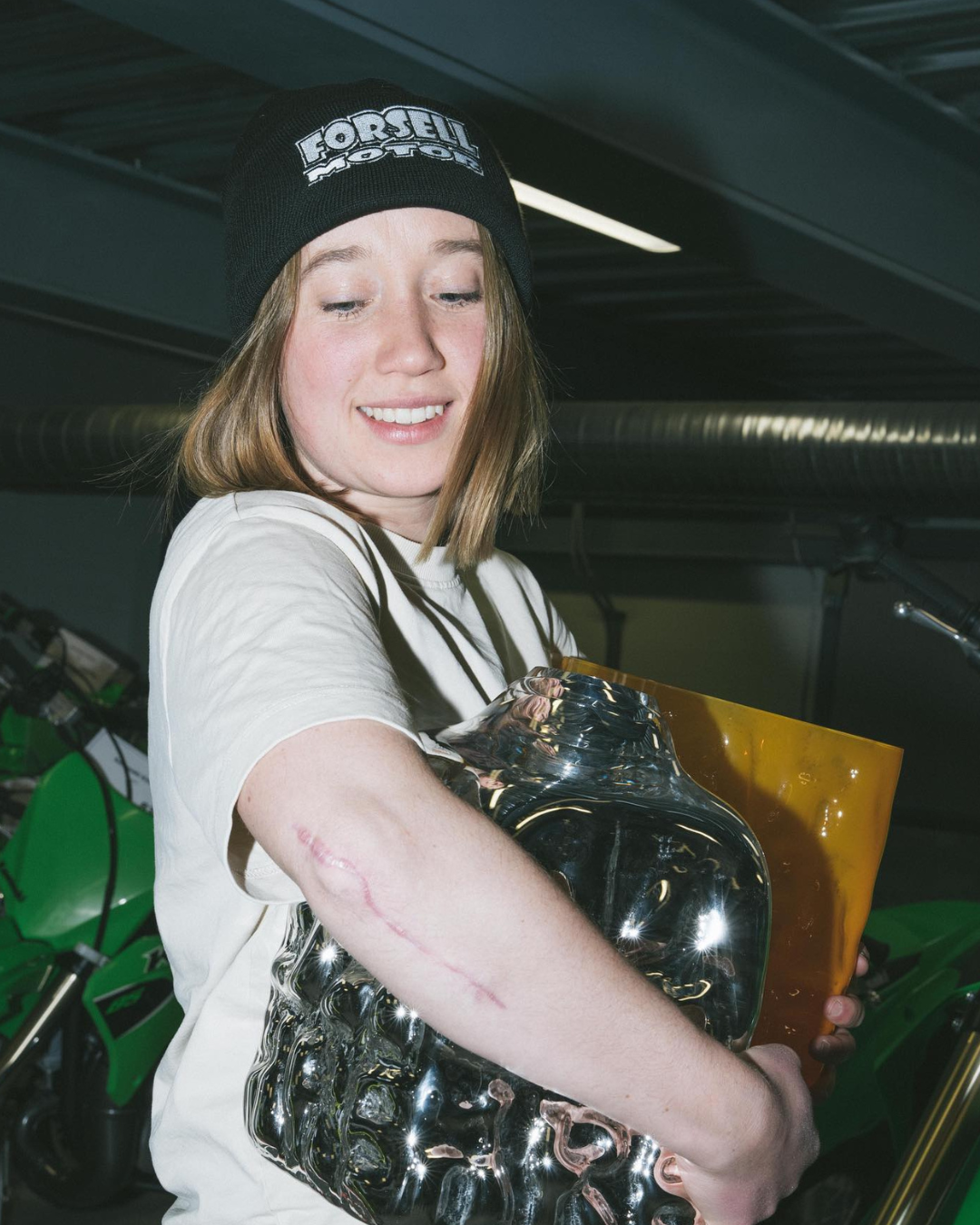
“I live in Sweden, so there aren’t many months where we can swim outside but taking a bath or sitting around a fire, and even motocross and snowmobiling are ways I like to recharge.”
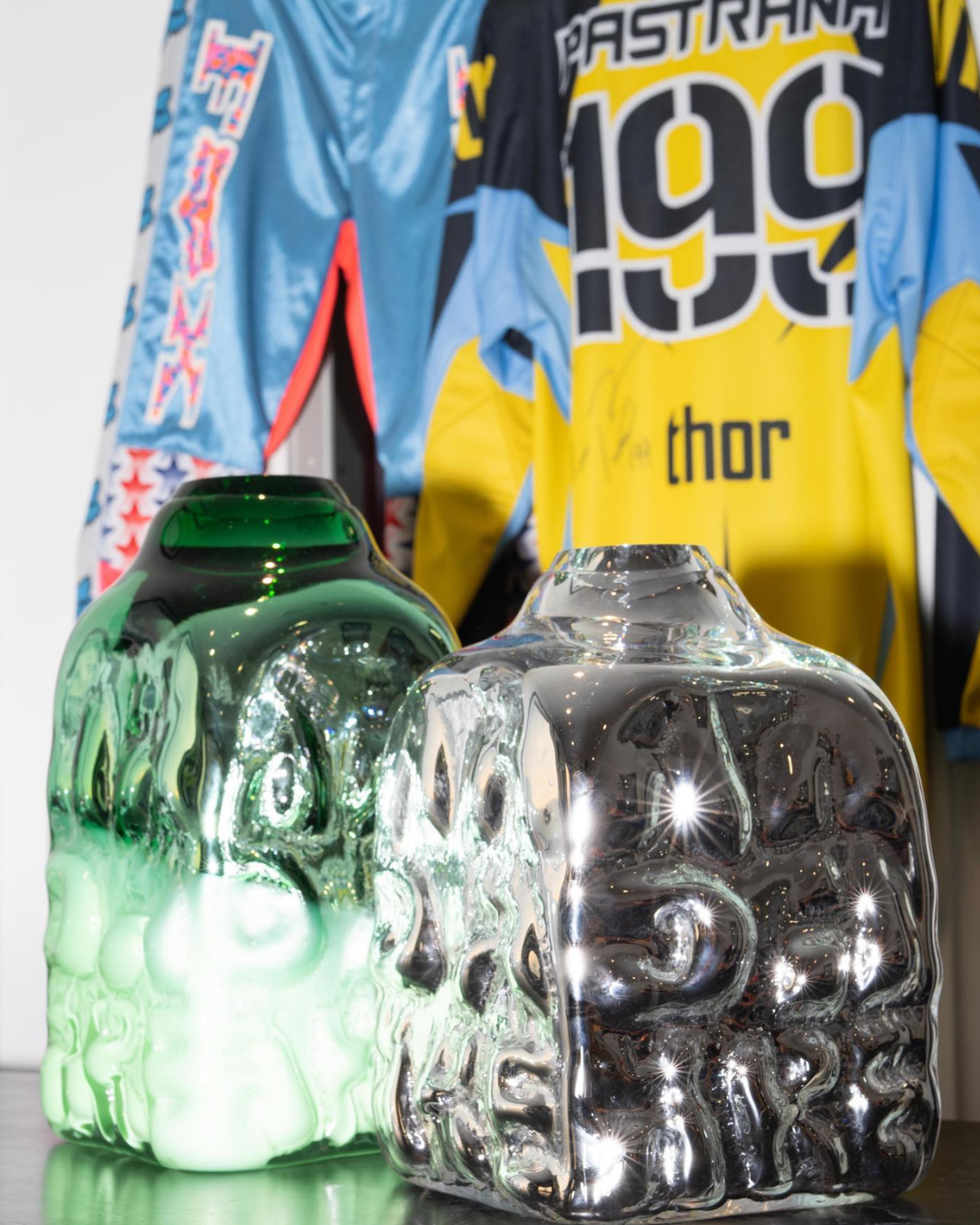
Along with completing her renovation, focusing on her health, and continuing on with her incredible working relationship with IKEA, Lisa is keen to keep pushing the envelope. She dreams of working with more cast metals, moving into furniture design and even making public art sculptures in the future.
When asked what advice she would give to other creatives trying to forge a pathway in the industry, she says working as an artist is about being comfortable with a bit of trial and error.
“It’s try-error, try-error, try, and then success,” she encourages. “Just keep on going and don't be afraid to test and make small batches and prototypes of things.”
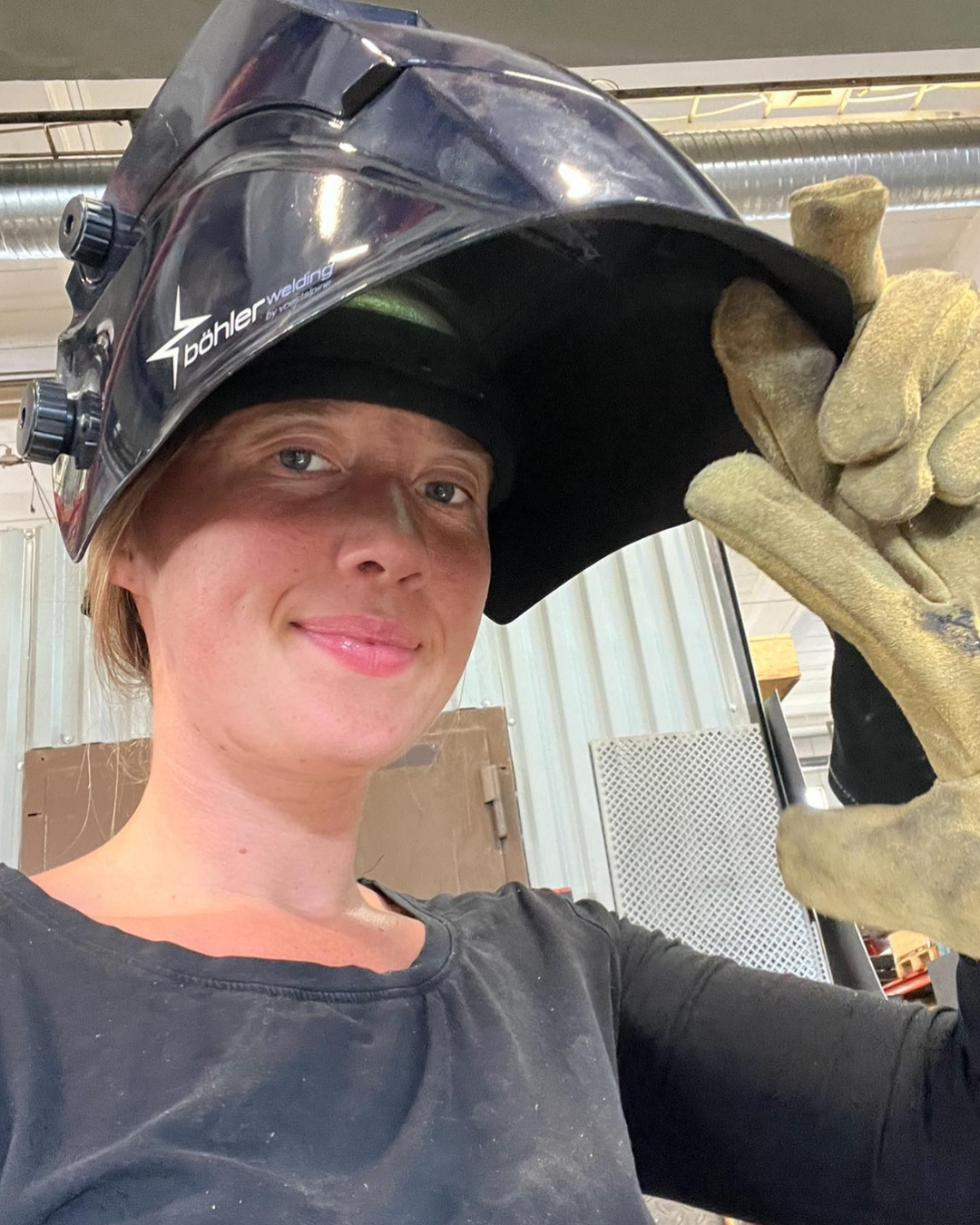
Instead of typical hype-talk, Lisa’s guidance feels far more grounded.
“I think people can say follow your gut, but the gut can also trick you a lot - especially if you're neurodivergent. It's hard to know if a feeling is anxiety or if it’s real, so just take small steps, and always keep going ” - words of wisdom, shared from a truly gifted artisan, who has a proven track record of experimentation, backing herself and always putting creativity first.
Lisa is a testament of someone who plays to her strengths, and designs around the rest, which is an approach that we can all take something from.
To view Lisa’s unique, iconic, forward-thinking and artful designs, click here or on Instagram here.
Images courtesy of Lisa Reiser’s Instagram
Join Mode
Every Sunday, Mode explores the intersection of interiors, psychology, beauty, culture and the art of living well—helping you cultivate an eye for the things that truly deserve your attention.