is beauty good for us? the not-so-superficial truth
I think most of us underestimate the importance, and profound impacts that beauty carries with it.
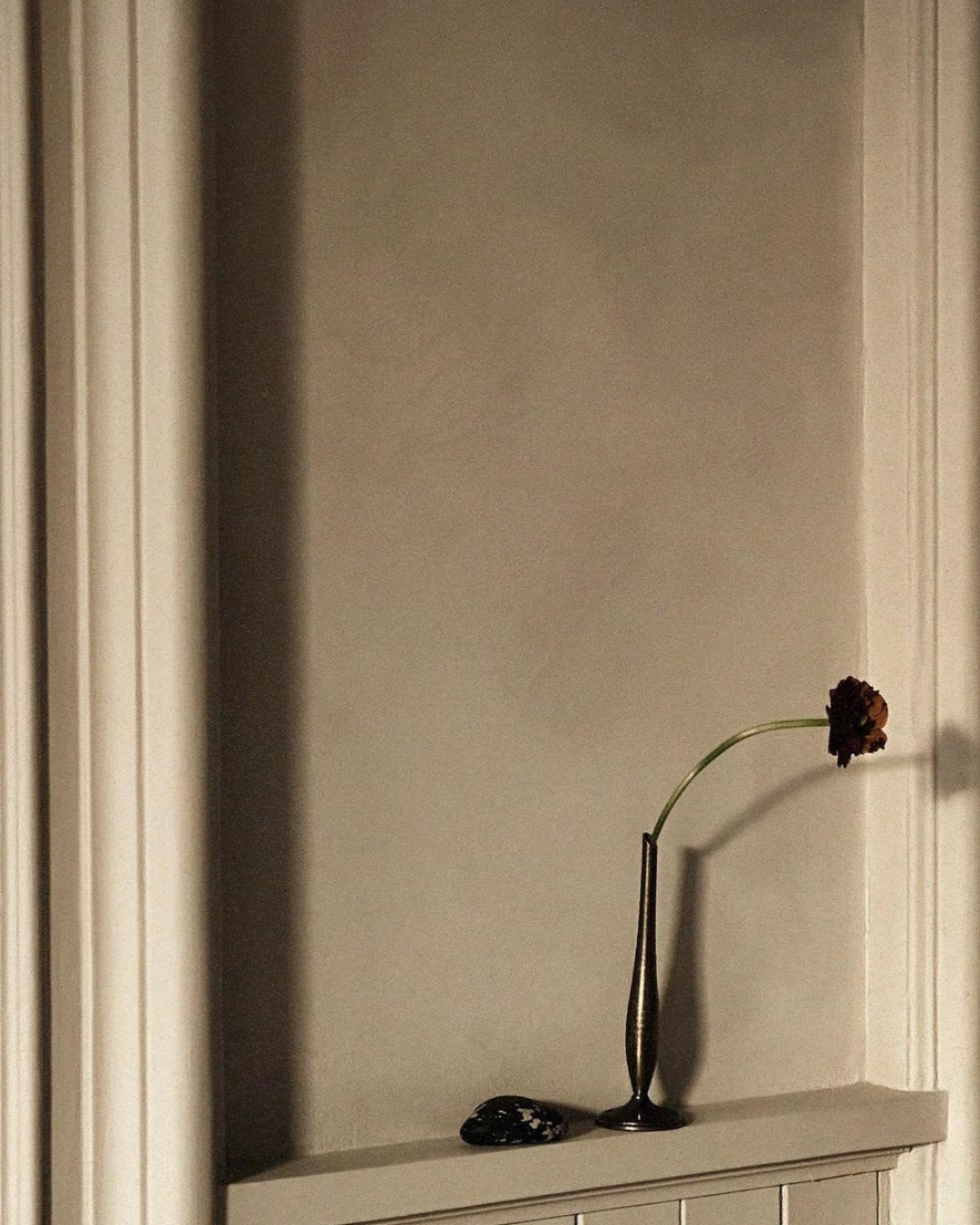
Image Source: Pinterest - A beautifully styled flower by Colin King
Not only does it have a fundamental, multi-level effect on our wellbeing, but it also shapes how we see and experience the world.
And whether we know it or not, I believe we’re in a constant state of seeking it. There is a reason why people travel to sit beneath cathedral ceilings, stare at the ocean in silence, walk through breathtakingly designed hotels or quite literally cry in front of paintings.
There is also a reason why instinctively pulling a flower from the ground feels so good. Or a clean, tidy home can be the most satisfying reset.
Beauty and wellbeing are far more connected than modern culture would have us believe.
But somewhere along the way, it has become framed as frivolous, self absorbed and optional. Viewed as superficial and unimportant. However, we all still move towards it.
Because history, philosophy, neuroscience and psychology suggest that in fact, beauty is not excess. Beauty is a primal and fundamental, basic human need.
Perhaps this is why our nervous system appears to recognise beauty long before our intellect does.
When we begin to understand that beauty is not a luxury, instead, it’s a form of biological nourishment, we actually stop seeing beautiful spaces and values-aligned rituals, clothing, self-care, objects and environments as indulgent additions to life. We start seeing them as part of wellbeing itself.
Not in the shallow, perfectly aestheticised way that it can sometimes be perceived, but in the long-standing, ancient way that we’ve evolved to appreciate and respond to. In realising that real beauty actually gives back more than it takes, there’s a sense of uninhabited permission to see, feel and fully experience more beauty in your life - and therefore, reap the full benefits of it.
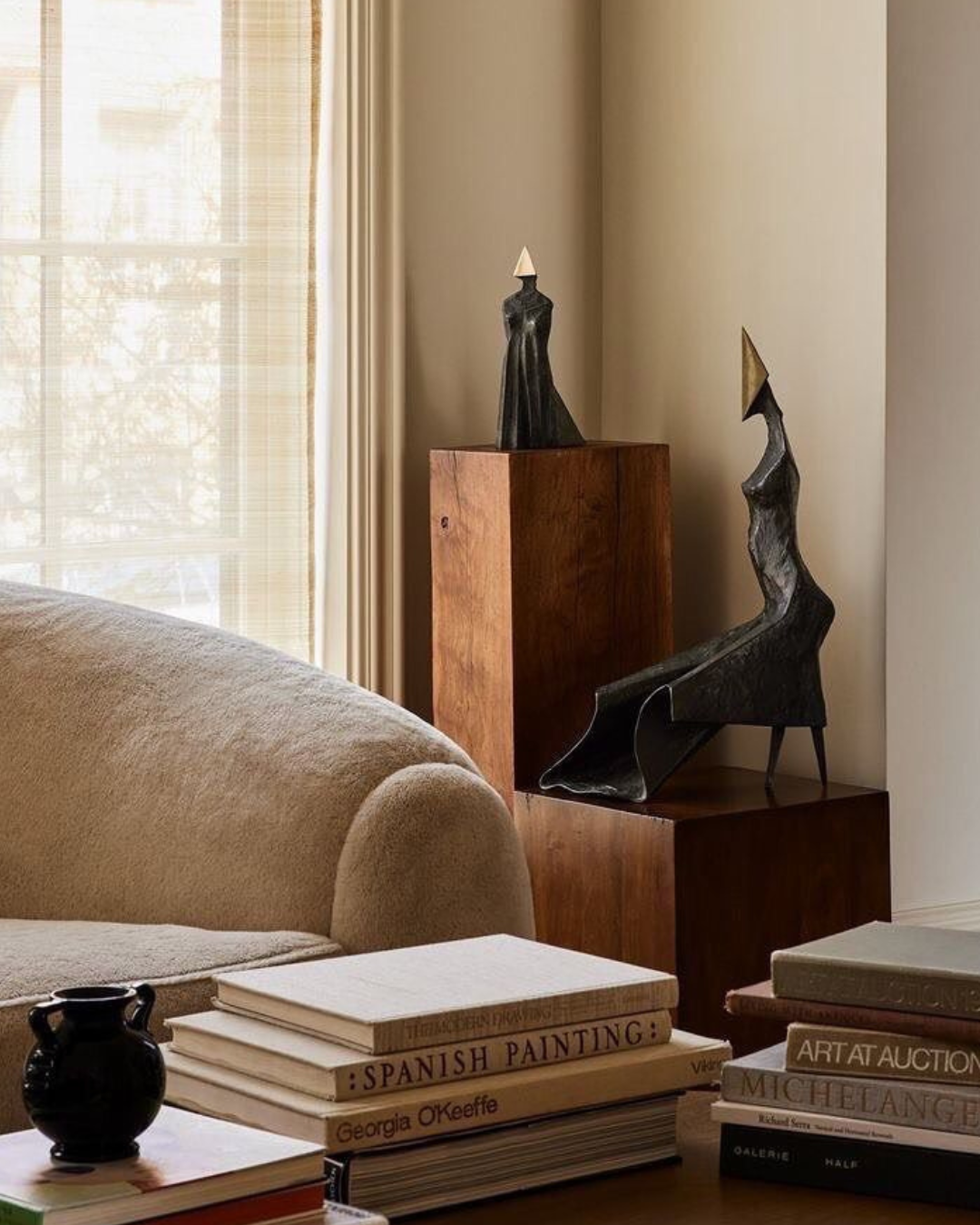
ImageSource > Pinterest > Unknown Author
Beauty Was Never Just About Appearance
For centuries, philosophers treated beauty as something profoundly tied to human flourishing.
We have a long-standing history of pursuing beauty through self-presentation, adornment, craftsmanship and design.
Ancient Greeks linked beauty to harmony, proportion and moral order. Japanese aesthetics embraced imperfection and transience through philosophies like wabi-sabi. Beauty was and still is refined through restraint, ritual and emotional sensitivity. Italian Renaissance culture elevated beauty through architecture, tailoring, art and composition. Even religious spaces were intentionally designed to evoke awe - think soaring ceilings, candlelight, symmetry, scent and sound.
Ancient civilisations understood beauty as something woven into daily life - from clothing and jewellery to the built world, spirituality, objects, grooming, transport, public gathering spaces and artistic expression.
Beauty was not separated from society. It was embedded into it. And none of this was accidental or random.
Because humans very instinctively, understand the emotional impacts of beauty.
Modern neuroscience now supports what ancient cultures appeared to know intuitively. Studies in neuroaesthetics - the scientific study of how beauty affects the brain - show that beautiful experiences activate reward pathways associated with pleasure, meaning and emotional regulation.
Exposure to beauty can reduce stress markers, improve mood, increase parasympathetic nervous system activity and even enhance feelings of connection and optimism. (Liml)
Beauty literally changes our internal state. And importantly, this extends far beyond traditionally “beautiful” people or expensive interiors.
Research in psychology and evolutionary biology shows humans are naturally drawn toward symmetry, balance, texture, coherence, movement and visual harmony.
Certain forms, proportions and sensory experiences consistently activate pleasure and reward systems within the brain. And this is what could be actually interpreted as the beauty we see and feel around us.
It may also explain why beauty affects us so powerfully across every category of life.
Because beauty can quite literally be found everywhere.
From a beautifully tailored coat, to a vintage sports car. A perfectly weighted chair, to a sculptural object. A gorgeous wrapped gift, to a face animated by warmth and vitality. A calm nature-scape that feels serene and heavenly, to a well-composed meal.
What one may see as beautiful may differ from the next based on personality, individuality, culture and preference - but what is evident is that a person’s perception of beauty and appetite for it, is not only important, but it can be used to optimise their experience of life itself.
The modern world often dismisses beauty as vanity but historically, beauty was understood as culture. It was understood as a deep-rooted philosophy and a sense of wellbeing. And, if you look around at all of the marvelous things human beings have achieved, you have to wonder if cultivating beauty as a standard, has been a wider aspiration for civilization itself.
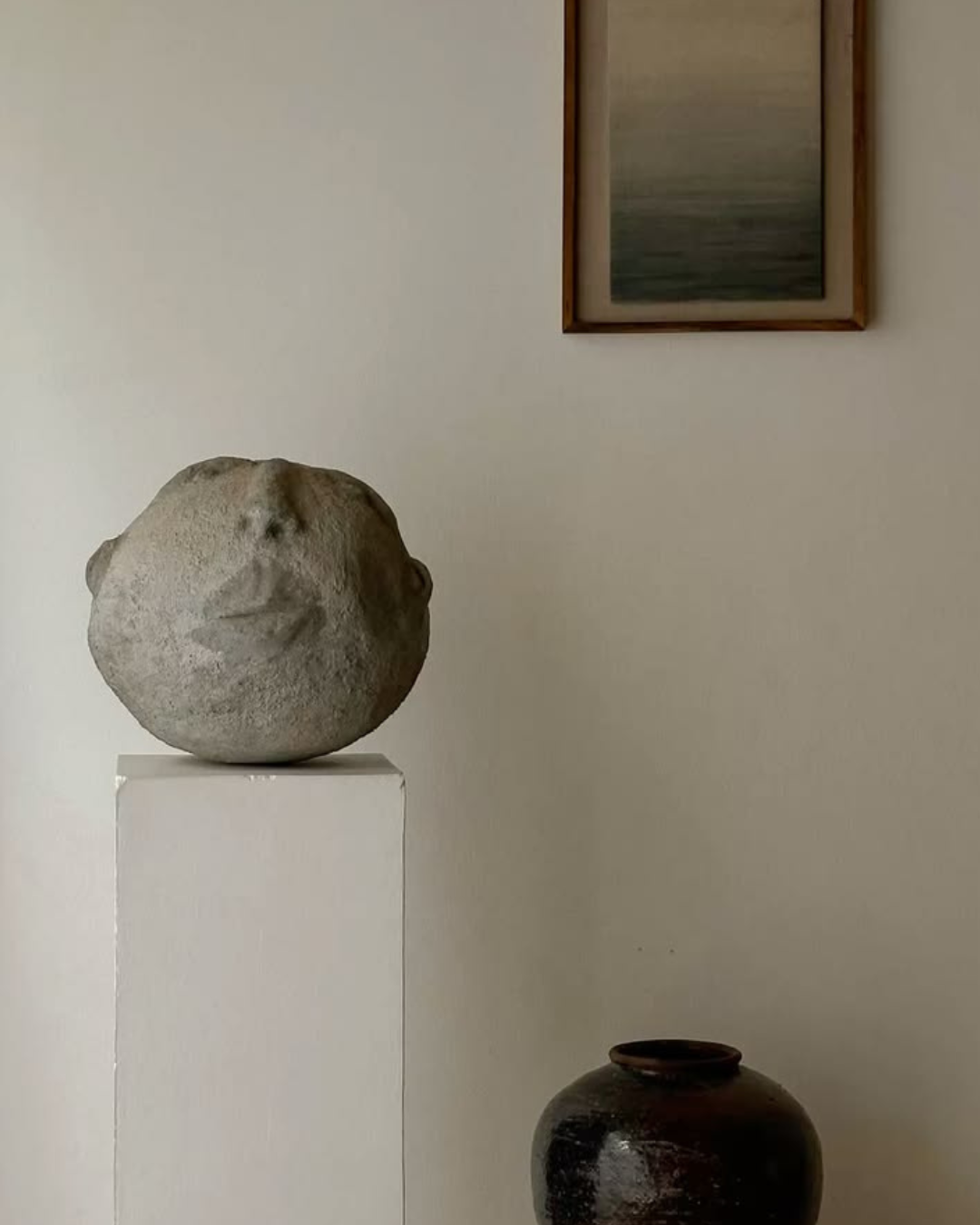
Image Source > pinterest > mashkeroy
The Science of Beauty and Happiness
The relationship between beauty and happiness is far more measurable than most people realise.
Environmental psychology researchers have found that visually coherent and sensory-supportive spaces can reduce cortisol levels, support concentration and create stronger feelings of emotional stability.
Natural environments and beautiful interiors have also been linked to improved mental restoration and reduced nervous system fatigue.
One of the most fascinating findings comes from studies on awe.
Awe - the emotional state experienced when encountering something vast, extraordinary or deeply beautiful - has been associated with lower inflammation, greater life satisfaction, increased generosity and reduced self-focused rumination. Read more on this here.
This may explain why beautiful experiences often feel emotionally clarifying and put you in a ‘good mood’.
For example - an art gallery, a candle lit dinner, listening to a musician you love or a room layered with warmth and intention - these experiences interrupt psychological noise and they return people to themselves.
And perhaps this is why so many people today are craving beautiful living with such intensity. The modern world is overstimulated, fragmented and visually aggressive with not a lot of control on what comes in with endless notifications, harsh lighting, cluttered environments, fast content and complete compression of thought and attention.
The absolute opposite to beautiful living.
Beauty in Interiors - A Mindset
Specifically, I think it’s important to touch on beauty in the home, and the direct impact that can have.
Often my clients think they want a beautiful home, and of course to some extent this is true. But what we’re all (usually) really after, is what that beauty gives us…
Contentment, ease, identity, personal expression, visual harmony and a regulated nervous system.
This is why beauty and wellbeing are inseparable within the spaces we call home.
Beautiful spaces communicate stability, calm, control and ease.
Which is why badly composed environments often have the opposite effect.
Poor lighting can increase irritability and fatigue. Clutter can elevate stress responses. Visually noisy spaces can overstimulate the brain. Sterile environments can feel emotionally cold. Cheap materials and uncomfortable design often create subtle psychological and physical friction that people struggle to articulate.
The body notices before the mind even has time to begin to explain.
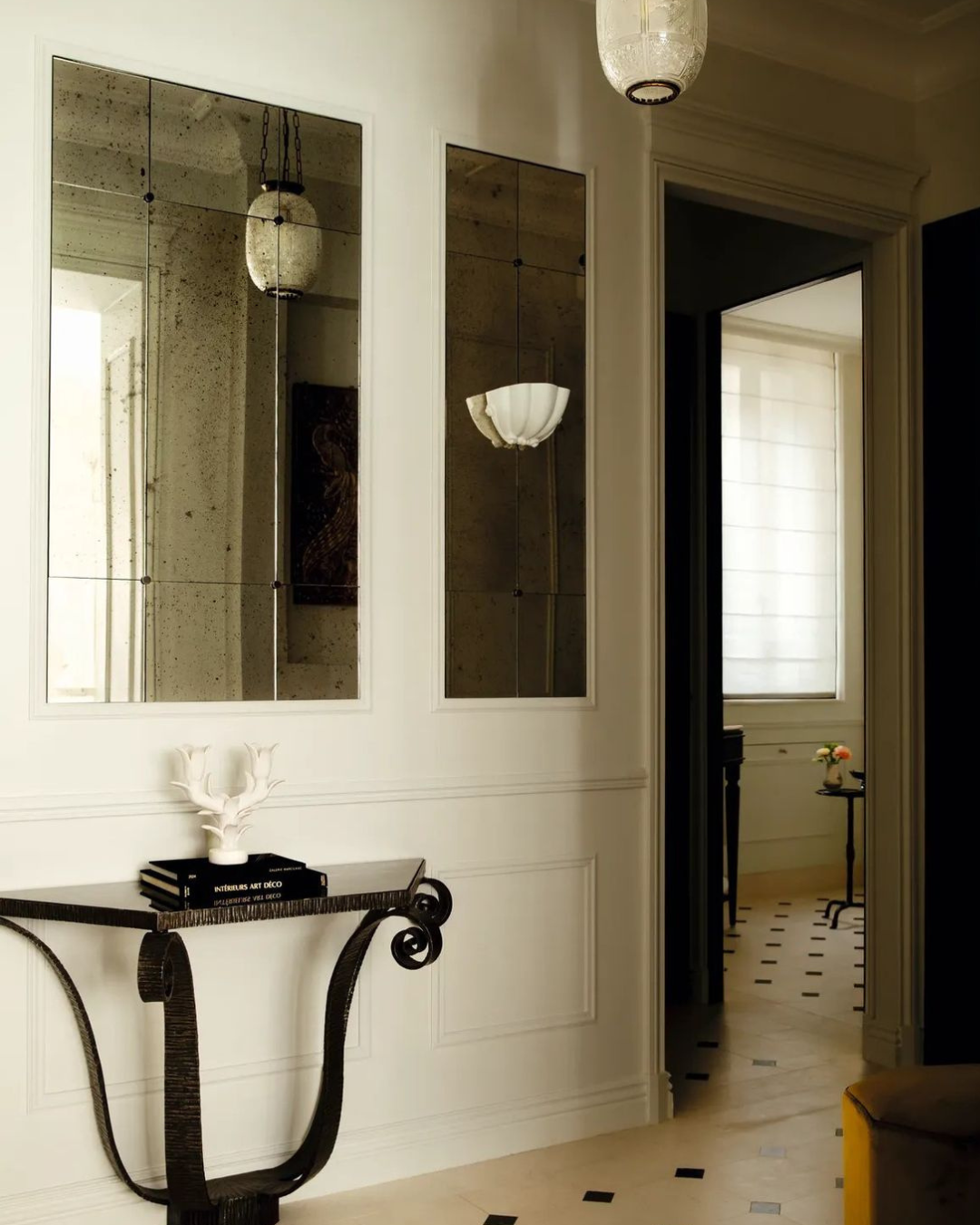
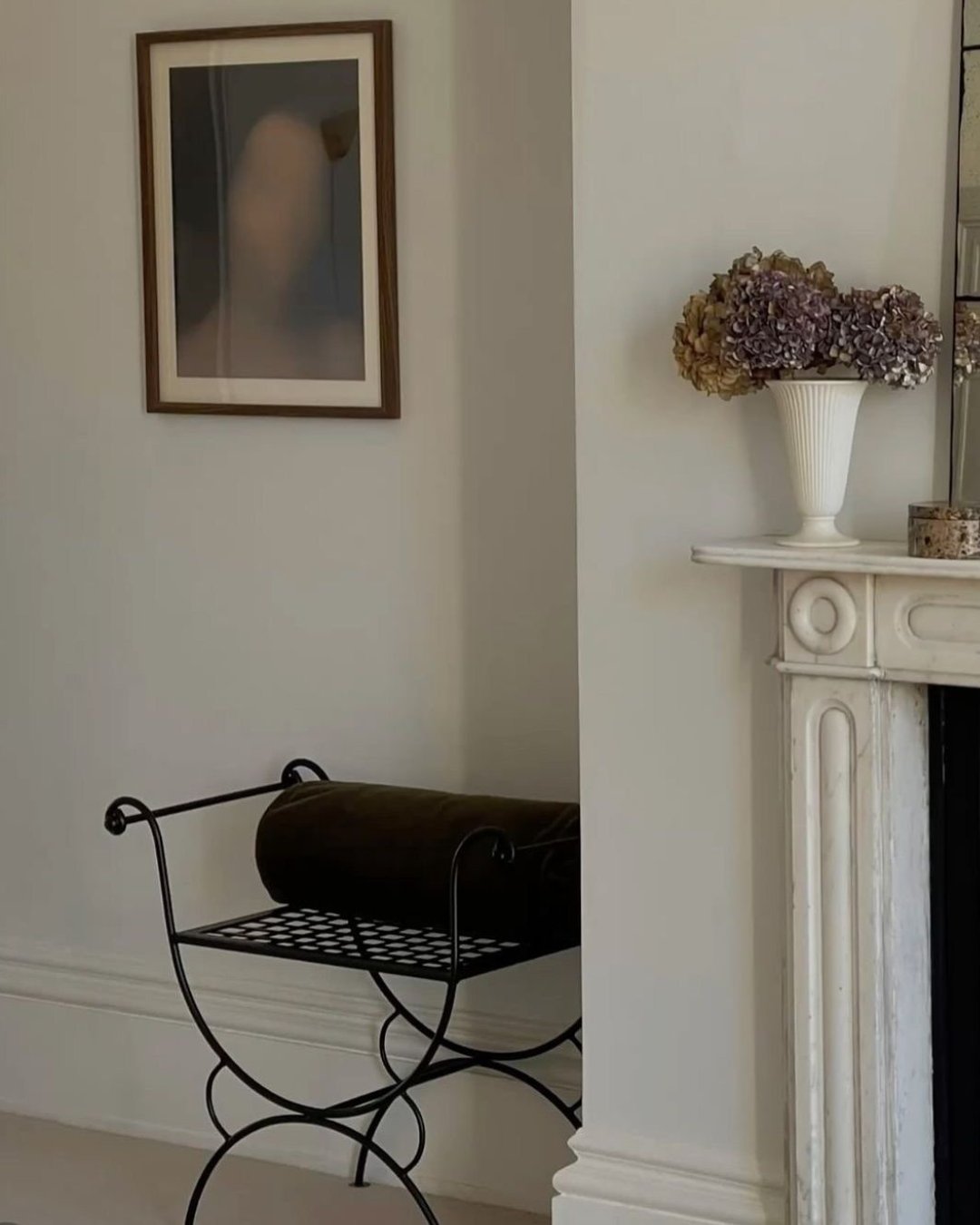
Image Source > Pinterest > Carla Degano
How To Cultivate Beauty And Wellbeing At Home And In Everyday Life
The good news is that beautiful living is never about perfection.
In fact, the most emotionally resonant homes and lives often feel refined and intentional. It’s about curating more of what makes you feel good, and editing out any dissonance.
Beauty is usually created through awareness and consideration. In this, beauty becomes a philosophical lens on how to live.
What I appreciate most about this is that anyone can access beauty and its benefits, because the world is absolutely brimming with it. All you need to do is look around.
And one of the easiest ways to access beauty is to ritualise it by creating deliberate moments in your day to witness it. Through this, beauty can be fostered, strengthened and optimised as a source of wellbeing. Humans love repetition because it signals safety and predictability to the brain. By creating rituals and routines that are beauty responsive, you begin to create a life that’s truly meaningful and incredibly beautiful.
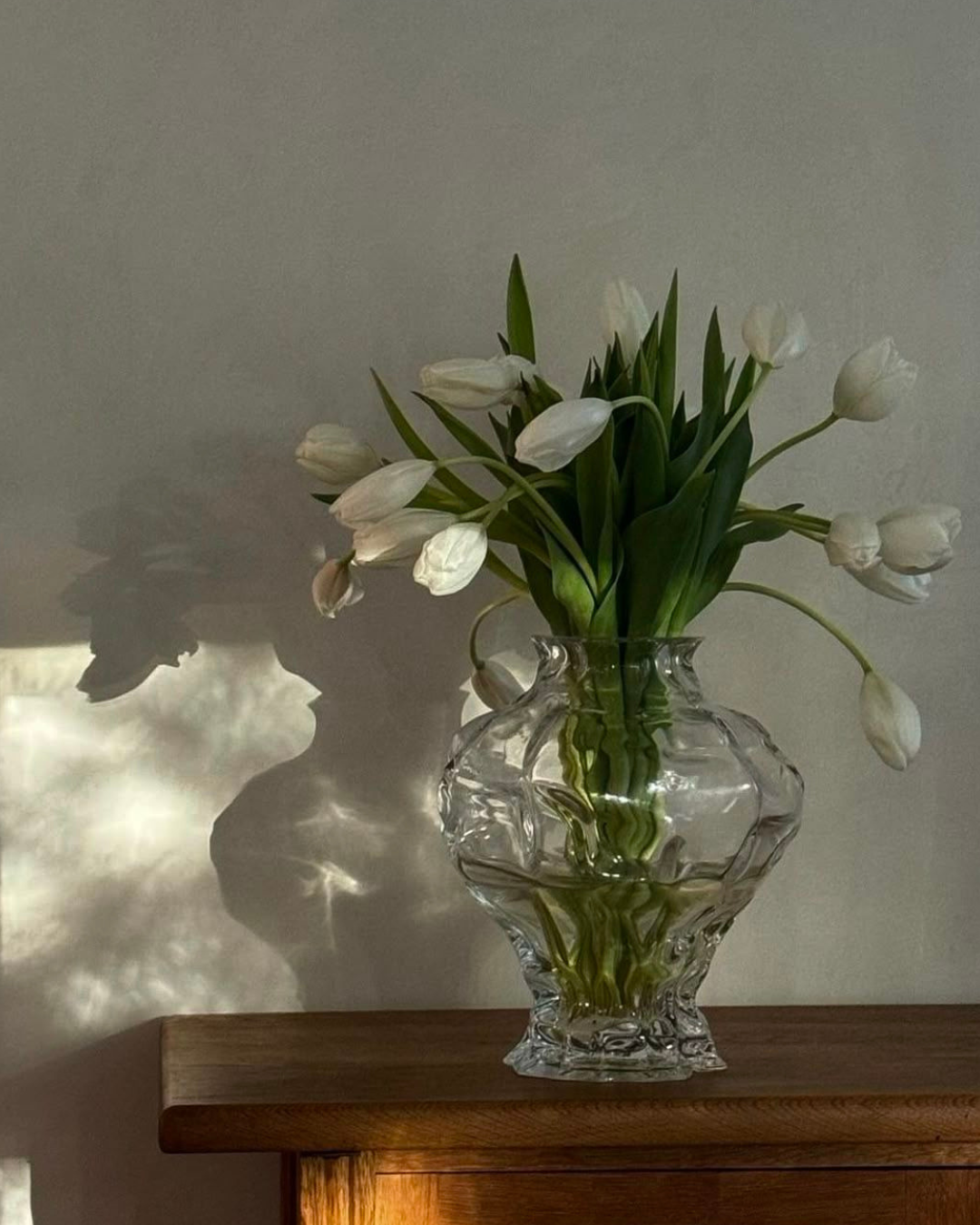
Small actions and mindful moments such as smelling the morning air, lighting a candle at dinner, using nice glassware on an ordinary day, playing music while cooking, picking flowers from the garden and popping them in a vase to admire, watching the sunlight filter through trees, listening to the sound of birds, the feeling of fresh sheets, curating a cute outfit and wearing it proudly, the first bite of a favourite meal, seeing the vivid colours of nature…the list could quite literally go on and on.
Interiors are much the same. Instead of endlessly adding, first begin by observing.
Where does the light fall beautifully in your home? Which parts of your home do you naturally love? Which objects genuinely elevate your mood? What textures make you feel comfortable and cosy?
Then, which spaces feel visually exhausting?
Refined interiors are rarely built through accumulation. They are composed through editing.
A simple checklist could be:
softened lighting
natural textures
tactile fabrics
calming scents
visual rhythm
warmth and layers
relaxed acoustics
spatial breathing room
some clear surfaces
colours, patterns and shapes you naturally love and are drawn to
objects with emotional meaning
A home that’s filled with real beauty acts as an emotional ecosystem that can help regulate and bring you back to calm, safety and a sense of enjoyment.
The Philosophical Practice of Beauty
Perhaps the most radical thing about beauty is that it asks people to pay attention and because of this, another benefit of beauty becomes mindfulness. To be able to deliberately focus on the moment and see it for what it is has significant advantages that tie back to brain health and emotional wellbeing - think a reduction in stress, better sleep, mood and concentration to name a few.
Beauty can not be separate from health and better living. But we have to notice it to reap its rewards.
Beauty returns people to presence. It’s not about consumption, it’s about how you want to experience the world - your world.
People who experience more beauty often become more protective of life itself. More connected to art, nature, architecture, craftsmanship, culture and humanity.
Beauty expands sensitivity. It enlarges emotional awareness and, in the most lovely way, it teaches people how to care.
The Most Important Thing We Get Wrong About Beauty
We assume beauty is something that some people naturally “have” or have to “buy” into.
But as we’ve now established, beauty is far more often something people cultivate.
A cultivated home, a cultivated life and importantly, a cultivated perspective.
And its perspective that changes everything.
Because once you begin to look for beauty intentionally, you realise it exists almost everywhere.
In rituals. In design. In nature. In conversation. In travel. In slowness. In beautifully prepared food. In atmospheric venues. In old buildings. In restraint. In composition.
In care. And, in love.
Beauty sharpens life and makes it better. Who wouldn’t want more of it? I know I do.
Once aware, cultivating more of it becomes a full-bodied sensory experience.
This includes choosing what to witness visually.
Shifting focus from dysregulating noise and tuning into intentional and ambient listening.
Anchoring through smell and selecting scents that prime you for wellness and carry with them a sense of happiness. This can feel deeply emotional.
Eating and drinking with intention.
Creating space for breath, a moment, a ritual - can be a simple link for self-connection.
And, in a world of synthetics and digital interfaces, being in contact with tactile touch points that are natural, textured and full of physical sensation can be wonderfully activating.
Beauty in most cases is a choice. A choice to curate sensory reception. The coolest part of this is everyone benefits.
Beauty - A Human Need
The relevance of beauty and the awareness around it is more important than ever. As life has become increasingly fast, many sacrifices are being made with cheap and dysfunctional practices that have not made the world a better place.
It’s our job to champion the work of our ancestors who prioritised beauty as a bench mark for better living.
How do we do that? Simply by seeing it, and choosing it. The return is, we’ll feel much, much better for it.
Beauty and wellbeing are intertwined because humans were designed to respond to harmony, atmosphere, nature, light, softness and sensory care. When we move in alignment with these evolutionary needs, everything feels more in flow and free.
Continue the Conversation
Join Marx Mode, our weekly editorial exploring interiors, beauty, design philosophy and the art of living well.
Because the most meaningful homes are rarely created through more.
They are created through consideration.