Minimalist - A Mindset
Minimalist design is much more than an interior style. With a nod to minimal and modern aesthetics, its appeal and popularity continues to grow.
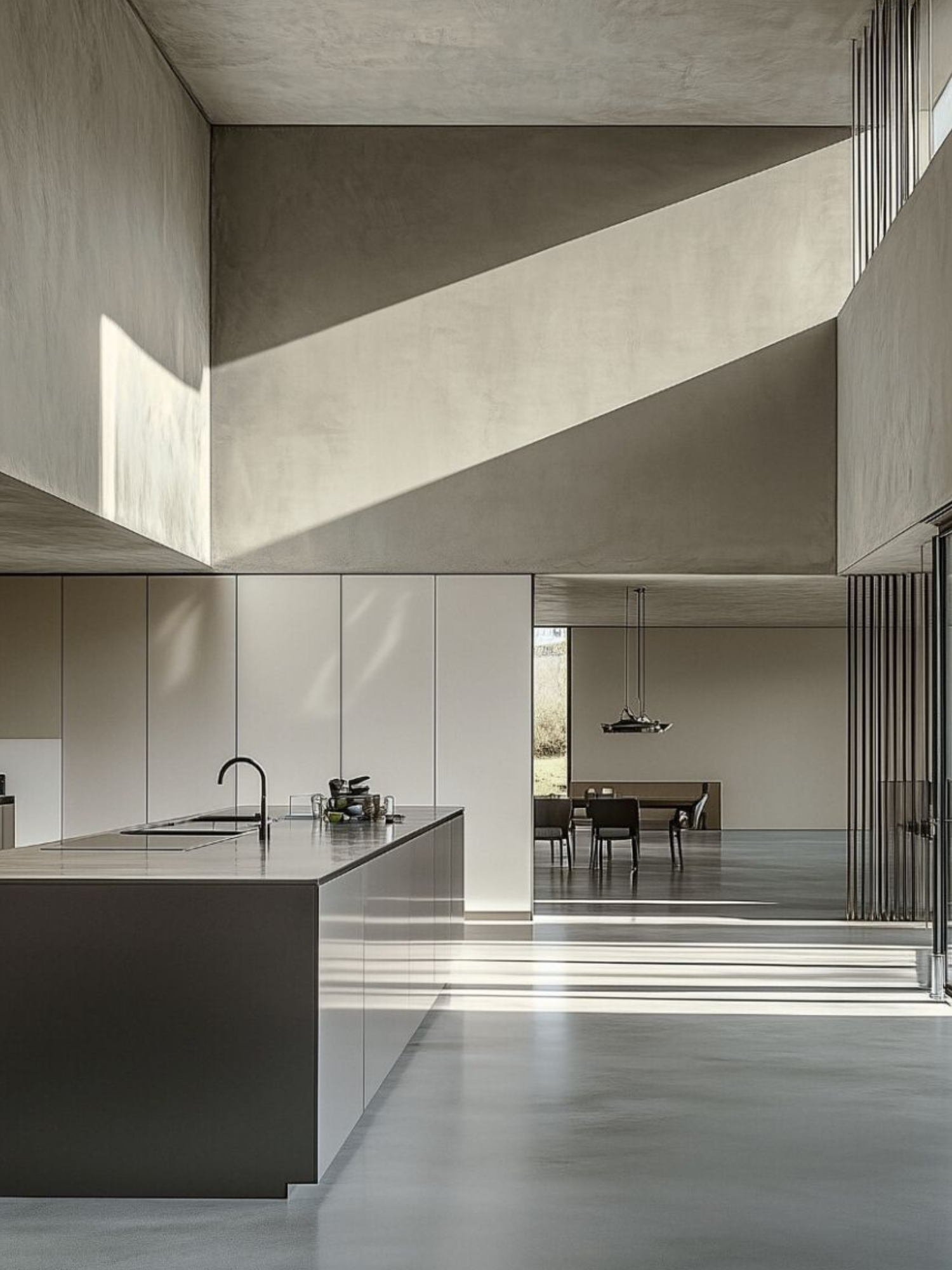
Image: Leibel - Pinterest
However, for those serious about minimalism, the dreamy, paired back aesthetics that you see on Instagram, are merely just a bonus.
While minimalism is an established design style, it is secondary to a way of life which centres around a critical belief system that less is more - which is not only translated across interiors, but also architecture, art, fashion, personal values and lifestyle choices.
Minimalism design helps us opt for only the things we need in a home in a way that promotes less consumption, less waste, as well as thoughtful and sustainable living. It’s purposeful and it’s intentional.
Furniture, architecture and core design elements work in harmony to create a soothing, functional and comfortable space, which when carefully put together, conjures up a warm sense of natural beauty that promotes easy living.
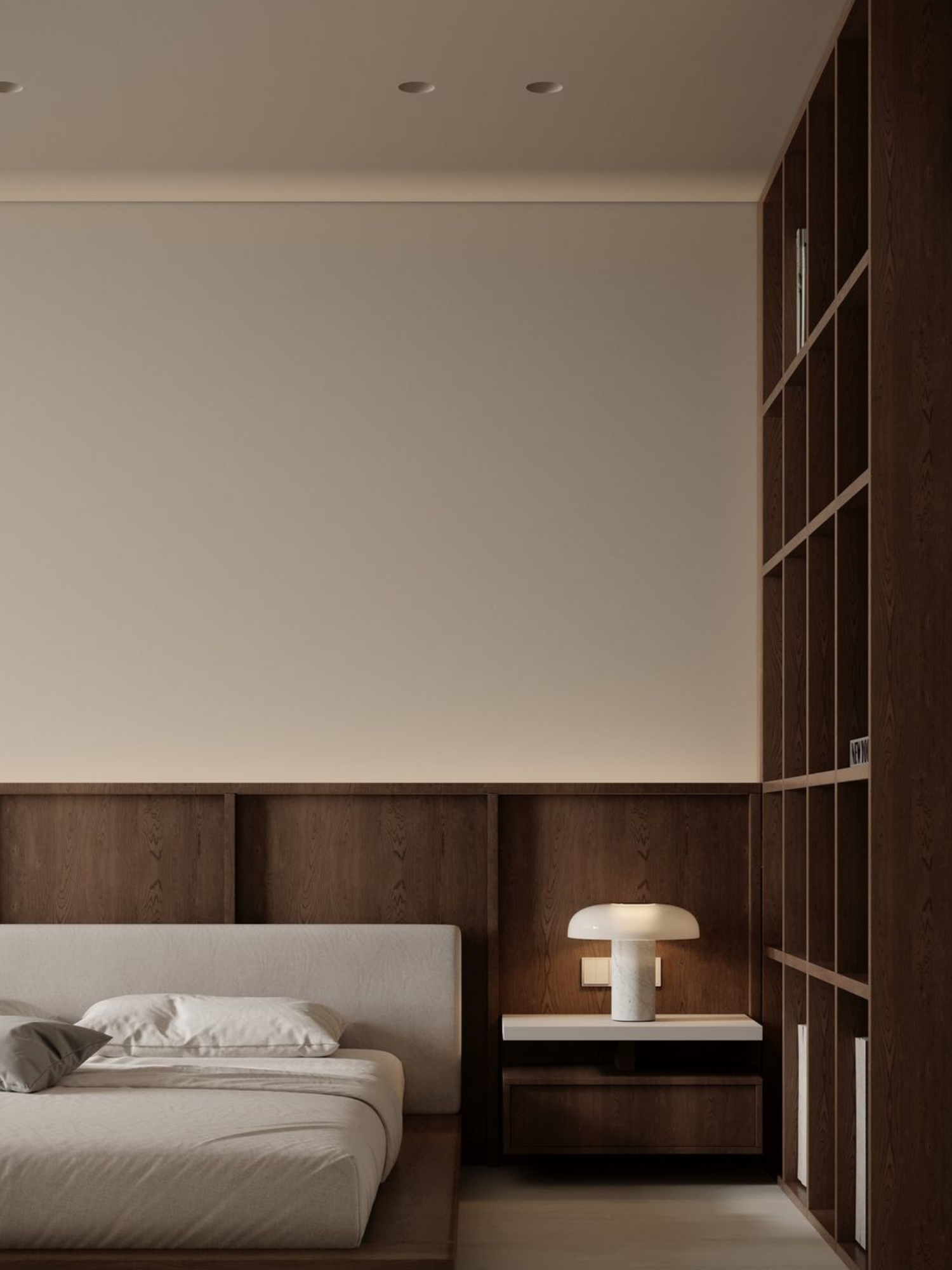
Image from Lviv Concept via Pinterest
The history of minimalist design
Although minimalism is strongly linked to modern design and sustainable living, its origins actually go back decades.
Bauhaus, an influential school and research institute which was founded in 1919 by Walter Gropius, was well known for its ‘less is more’ style, love of honest and durable materials, and clean and functional features. Its philosophy was a marriage of beauty and utility in the simplest form.
Sadly, the school was destroyed by the Nazi government, but its design ethos lived on through many of the teachers and students who went on to work abroad following the war, and the style continues to be a preference for people today.
The link between sustainability and minimalism
Enduring and eco-friendly materials are what all minimalist interiors are founded on, especially as we continue in the great race against climate change.
Eco conscious individuals in today’s age love the timeless emphasis that minimalism has on functional design, giving each piece a purpose and with it, a long lasting lifespan which the original Bauhaus style was so well known for.
Over 100 years later, the pledge and movement to create a better alternative to mass-made cheap products still rings true. It’s not a far leap to say that we as a global community veered off from those core Bauhaus values, but minimalism in today’s times gives us an opportunity to re-examine this vital wisdom from the architects, designers and artists that have come before us.
The history of minimalism is certainly a useful lens to look through – it’s as practical as its ethos and just as important in today’s cluttered and chaotic world. A world where consumerism is putting enormous and devastating pressure on our way of life here on planet Earth.
Minimalist interior design gives us an opportunity to create beautiful interiors that are deliberate, thoughtful, sustainable and, ever more importantly, a space that enhances the overall health and wellness of its occupants.
The mindset of minimalism
Minimalism may not be a style for everyone, but we can certainly all gain something from the idea behind it – even if it’s just a more conscious thought process when it comes to putting together our interiors.
By asking ourselves questions such as, ‘Do I really need this?’ and, ‘Where does this come from and how will it be used?’, allows us to stop and consider the purpose of a product to conceive a more deliberate and stable future.
Interior design and the way it interacts with how we live can serve a much greater purpose than just a pretty aesthetic, and minimalism is the perfect example of that. It shows us that a space can in fact be a harmonious blend of style, sophistication and functionality when developed through uncomplicated craft, high quality construction and purposeful selection and placement.