Better Series - Designing For Your Nervous System
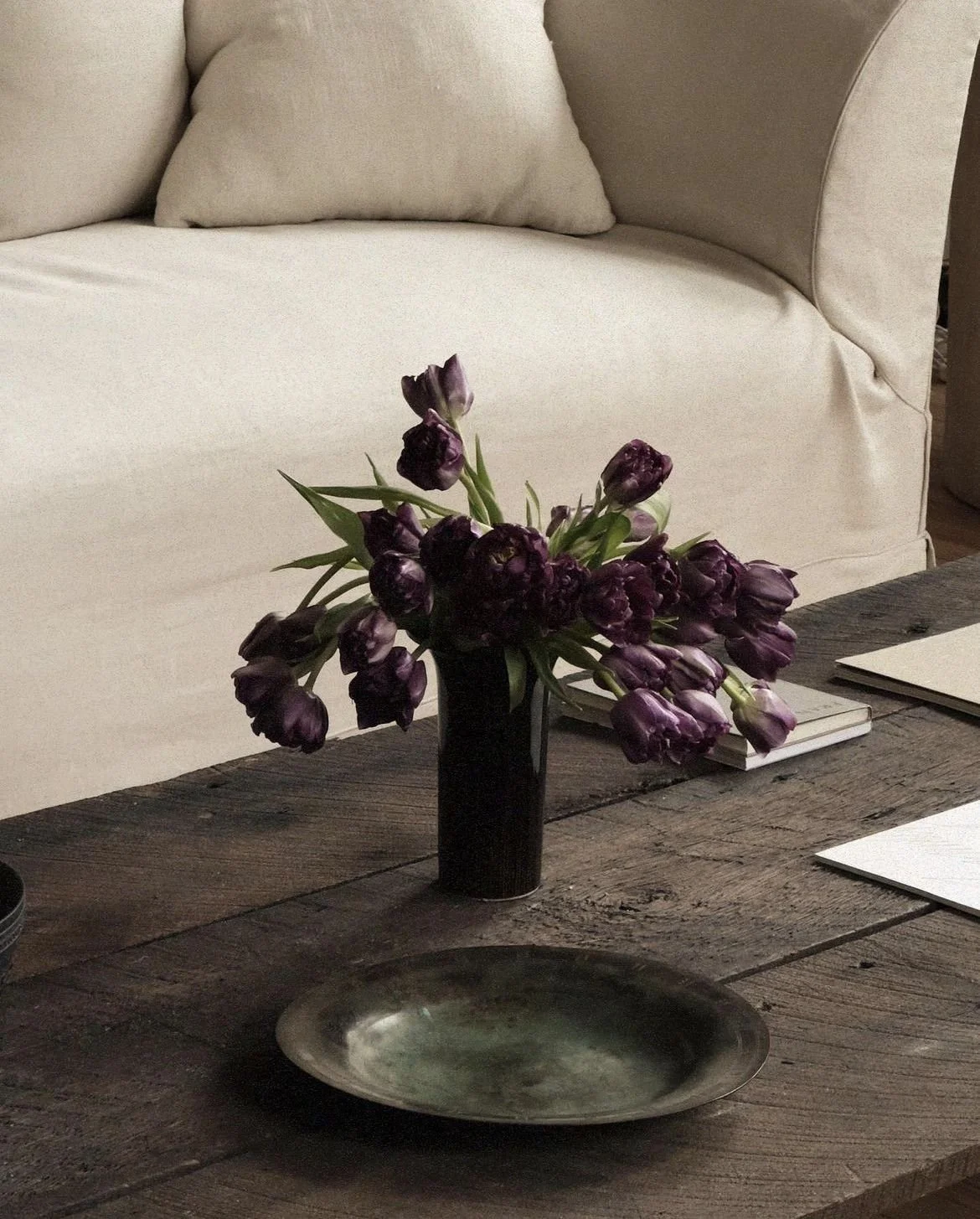
Vignette from stylist Colin King’s home via THE DIARIST > Pinterest
I hope this read feels like a deep exhale and sigh of relief that redefines how you feel about your spaces at home.
This is a personal topic for me. I have ADHD which makes me highly sensitive to my surroundings. But for most people, regardless of any neurodivergence, living in this noisy, congested world means most of us are often overwhelmed, overstimulated and have nervous systems that are dysregulated.
Designing around your nervous system is not a topic often talked about.
We talk about styling a home. We talk about resale value, trends, finishes, joinery details. But we rarely talk about the nervous system - the invisible architecture that determines how we actually feel inside the spaces we create.
What is the nervous system?
Your nervous system is your body’s command centre. I’m no genius on the body but in simple terms, it has two main modes - activation (fight, flight, urgency, go) and restoration (rest, digest, repair, connect).
You move between them all day. Emails, traffic, notifications, noise - they push you into alert mode. Calm light, safety, softness, rhythm - they guide you back down.
Home can be the place that helps you land.
Home and the nervous system
Many homes are not nervous system responsive. What does that mean though? Think stark lighting, visual clutter, synthetic materials, noise pollution and digital distractions. And this is not to mention the additional everyday pressure of running and maintaining the home - washing, dishes, cleaning, upkeep…
Home is not always an easy place to be in.
But it can be easier.
I personally feel that small changes to my environment does have a massive impact on my nervous system which helps me feel calmer, think clearer and quite literally be enhanced - not disadvantaged by my surroundings.
Designing for the nervous system
Designing for your nervous system isn’t about turning your home into a day spa. It’s about understanding that your environment is either gently regulating you - or subtly stressing you.
Here’s how to shift it.
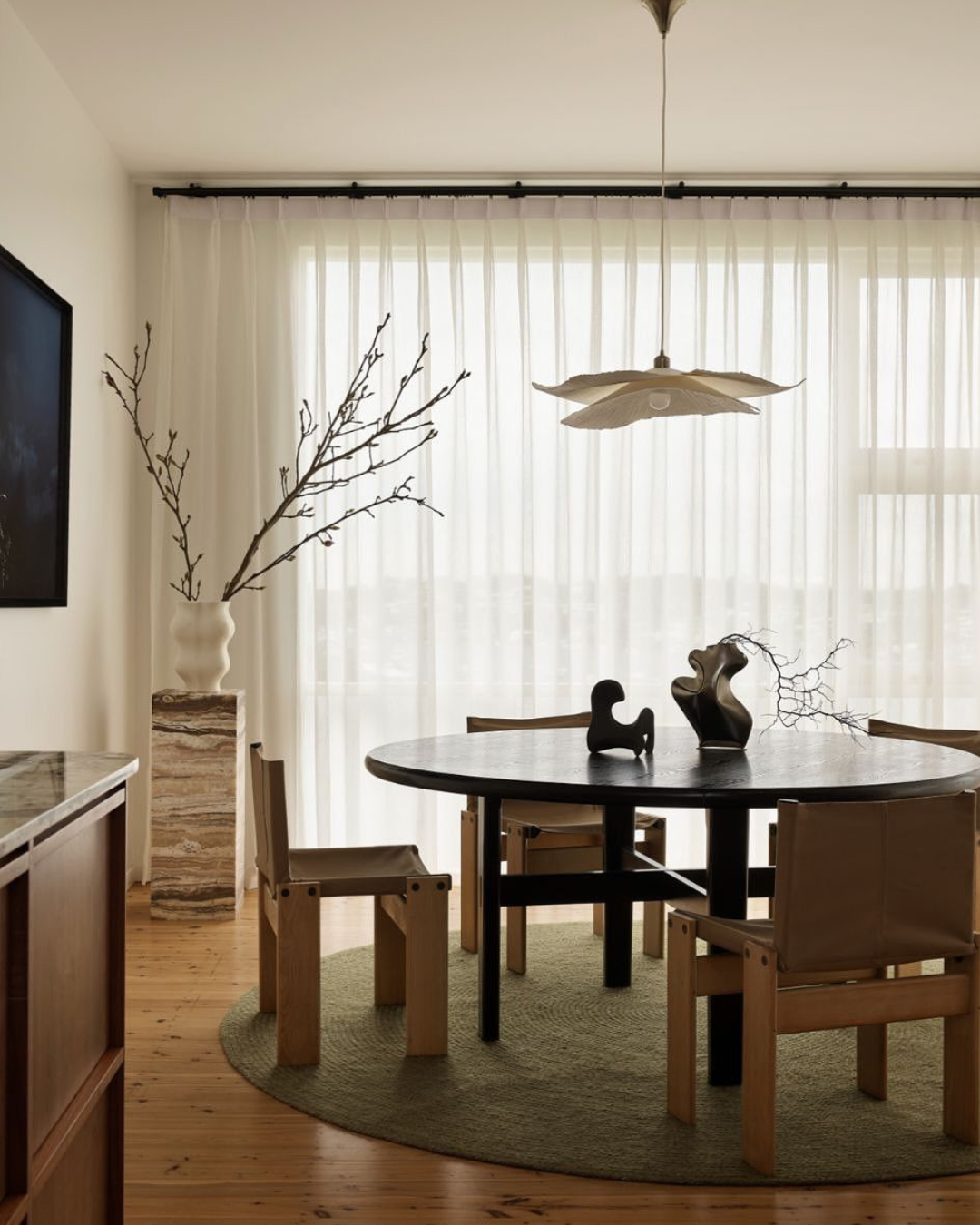
Space designed by Kerrieann Jones. Photography Alicia Taylor Photography. Image via That Cool Living > Pinterest
Soften the sensory load
It’s amazing how much your body absorbs without you even knowing it. Sometimes I feel like I go from 0-100, but really, there’s quite the lead up in sensory absorption going on in the background. It’s easy to wonder why you suddenly feel overwhelmed, but beginning to notice all the sensory inputs happening around you, may give you a major clue.
Your brain is scanning constantly. Sharp contrasts, bright white lights, mess, competing colours, noise, screens, information…it all requires processing. But you can lessen the load.
Choose a cohesive palette for your spaces. One that feels calm and relaxing to you. You don’t have to have everything beige. Your body will respond to colour differently than someone else's would, so opt for colours that work for your nervous system. You can test how different colours make you feel just by looking at them and asking yourself how they make you feel? To learn more about colour, you can read my Guide to Colour Psychology here
Layer warm lighting instead of relying on downlights. In fact, only use your overhead lighting when you absolutely have to. I try to rely on the sunlight at my place, and as the sun slowly goes down, I begin to turn on various dim lighting options like lamps.
Trickle in multiple lamps and pick and choose when to turn them on. Go for globes with a soft glow. Your body will thank you for it when you take the pressure of harsh lighting off your shoulders.
Introduce texture - linen, curtains, cushions, throw blankets, wool rugs, timber, stone.
Softness signals safety.
Create visual order
Clutter isn’t just aesthetic — it’s neurological. When every surface, floor and wall is shouting for attention, the nervous system responds.
Closed storage in this day and age is the epitome of quiet luxury.
Edited styling. Some clear surface space. A place for keys. A place for shoes.
Systems create calm.
The key word here is space. But what does space really mean? I explore this in more depth in my Prose piece here, The Lost Art of Sacred Space - after reading this, you might look at the concept of space differently.
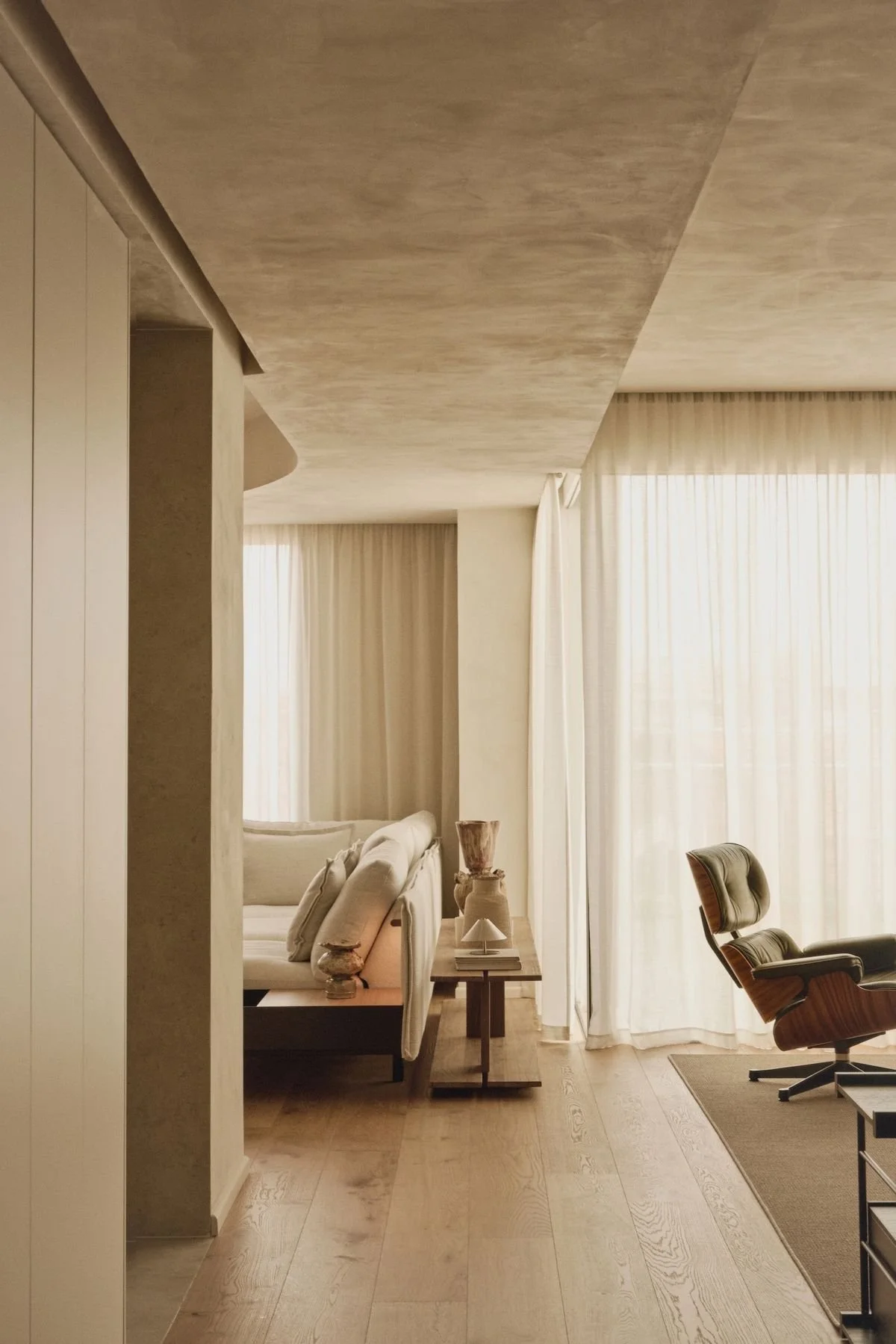
A calm and relaxing interior - Housing Marvá by Xarquitectos - featured in Leibel.
Design for decompression & ritual.
Every home needs a “downshift” space or a ritual within the space that occurs regularly to give the nervous system room to decompress.
This could look like a reading chair in the corner. A bath ritual. A place to meditate. A bench seat in the hallway where you pause when you arrive. Transitional spaces matter — they help your body move from doing to being.
Humans are ritualistic, so I find that when my space is responsive to my routines and rituals, I become one with my environment and a holistic, effortless way of living can be formed.
Light with intention.
I’ve touched on lighting above but I feel it’s worth reiterating. As humans, we’ve evolved to be responsive to a 24 hour cycle which is centred around light. This impacts so many of our internal physiological systems and I truly feel that when we ignore this, we do ourselves and our nervous system a huge disservice.
Let morning light energise. Evening light soften. Use warm globes at night. Add lamps. Let natural light in during the day. Your circadian rhythm which governs sleep, hormones, and mood responds directly to this.
Bring in nature.
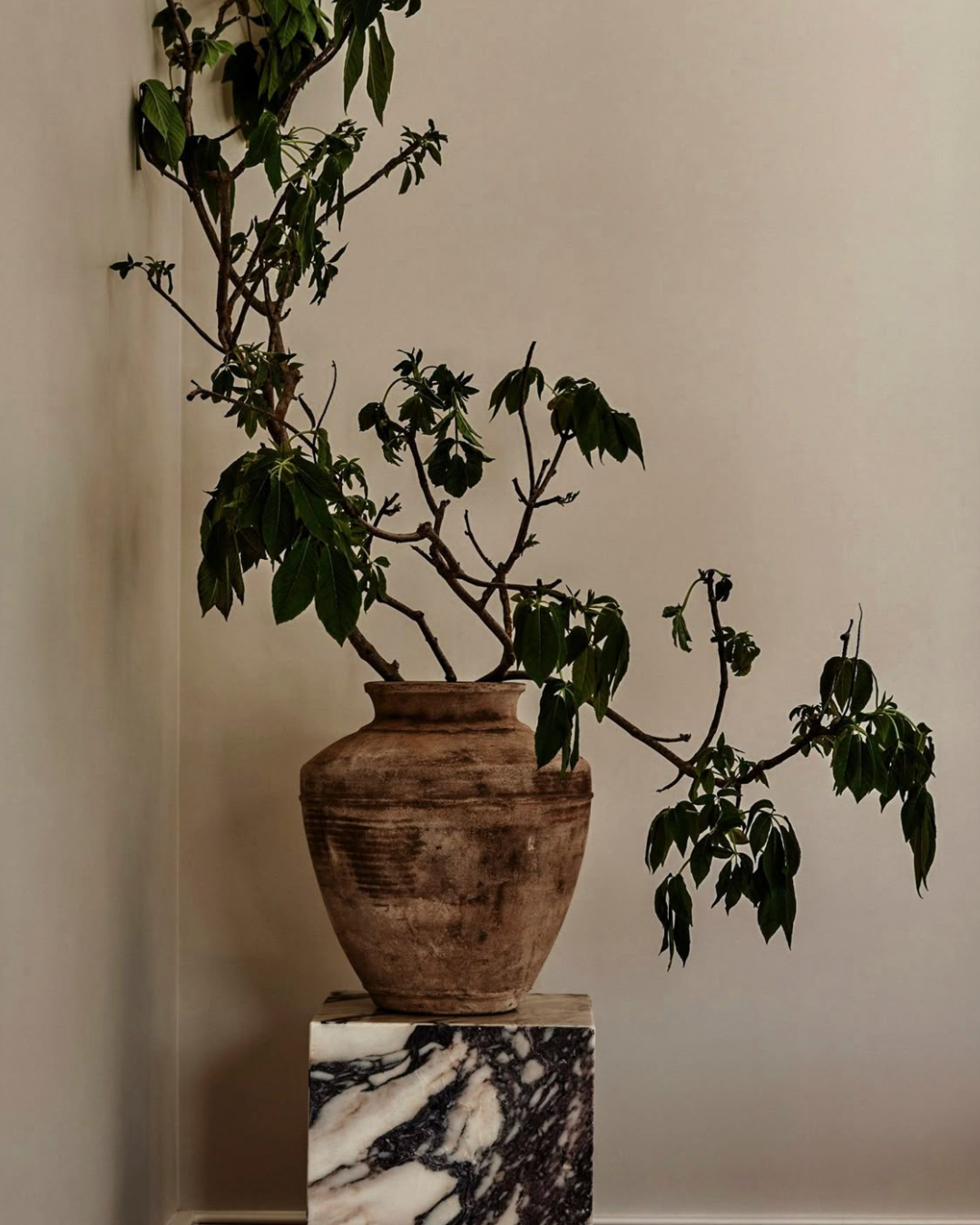
Plants, natural materials, filtered sunlight and fresh air. We are wired to respond to nature with reduced stress and improved focus being the outcome when exposed to these elements.
Reduce background noise.
This is a big one for me. I don’t know why but I find multiple noise sources, when layered over each other, so-bloody-triggering. The television blaring. Notifications pinging. Appliances running. People talking over each other. It’s just too much.
Sometimes you need to turn it down, other times you need to turn it off. But there are some ways to buffer and absorb some of the noise so your body doesn’t have to take the brunt of it.
Consider the acoustic layer of your home. Rugs, curtains and upholstery absorb sound. As can soft furnishings like cushions and throw blankets.
I find having regular moments of silence is the ultimate reset to bring my body back into balance. Also, depending on my mood, some music can also evoke an almost meditative state.
But the key is managing noise sources and not falling victim to noise pollution that can easily put you on edge without even knowing it.
Reduce synthetics
Ugh, this is a tricky one. Reducing synthetic materials in the home is a major for the nervous system because many common man-made materials and chemicals act as neurotoxins. This can trigger stress and impair cognitive function through constant off-gassing and sensory overload. It’s hard because most of us have materials and products in our home that are synthetic - from building materials, to fabrics like polyester, to MDF and chemical based glues and finishes - the list goes on and on…
I find that even just thinking about all of this creates a level of overwhelm that sets my nervous system off but it is important to know and slowly over time make the changes you can to create a healthier home.
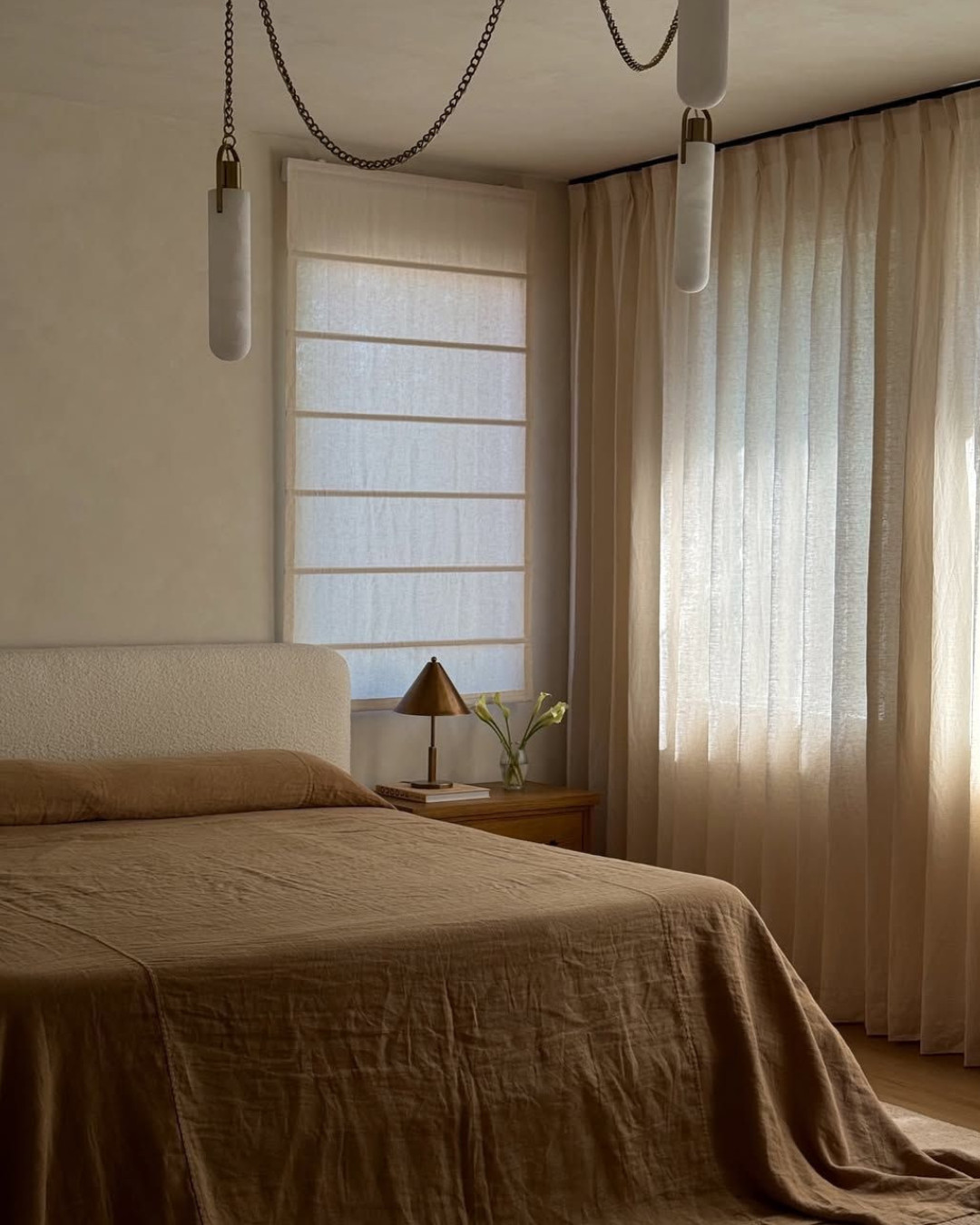
Image via Pinterest - Michelle Lei Pinlac | Home, Travel, Fashion & More
Design for You
Nobody is the same. And no nervous system is the same.
When a space reflects your values and rhythm, your body recognises it as a place of safety and a true sanctuary.
Unfortunately, a regulated nervous system is something we have to consciously curate. We’re hijacked from morning to night with an avalanche of sensory inputs and information that puts us on the backfoot from the moment we wake up to the moment we go to bed.
At least if we create an environment that promotes peace and clarity, we can have a chance at maintaining a level of balance and autonomy over our inner being.
A regulated nervous system is not a given for most of us. But beginning to intentionally regulate is a game changer for every aspect of life. It affects how we sleep, parent, work and express ourselves out in the world.
And your home — the space you return to daily — plays a quiet but pivotal role.
When you design for your nervous system, you’re designing for steadiness. For clarity. For restoration.
You're creating a space that holds you, in a world where it’s so easy to fall apart.
And that can change everything.