90s design aesthetic: iconic style that just gets better
To celebrate my recent birthday (being a child of the 90s), I thought it would be fun to revisit 90s design and style…
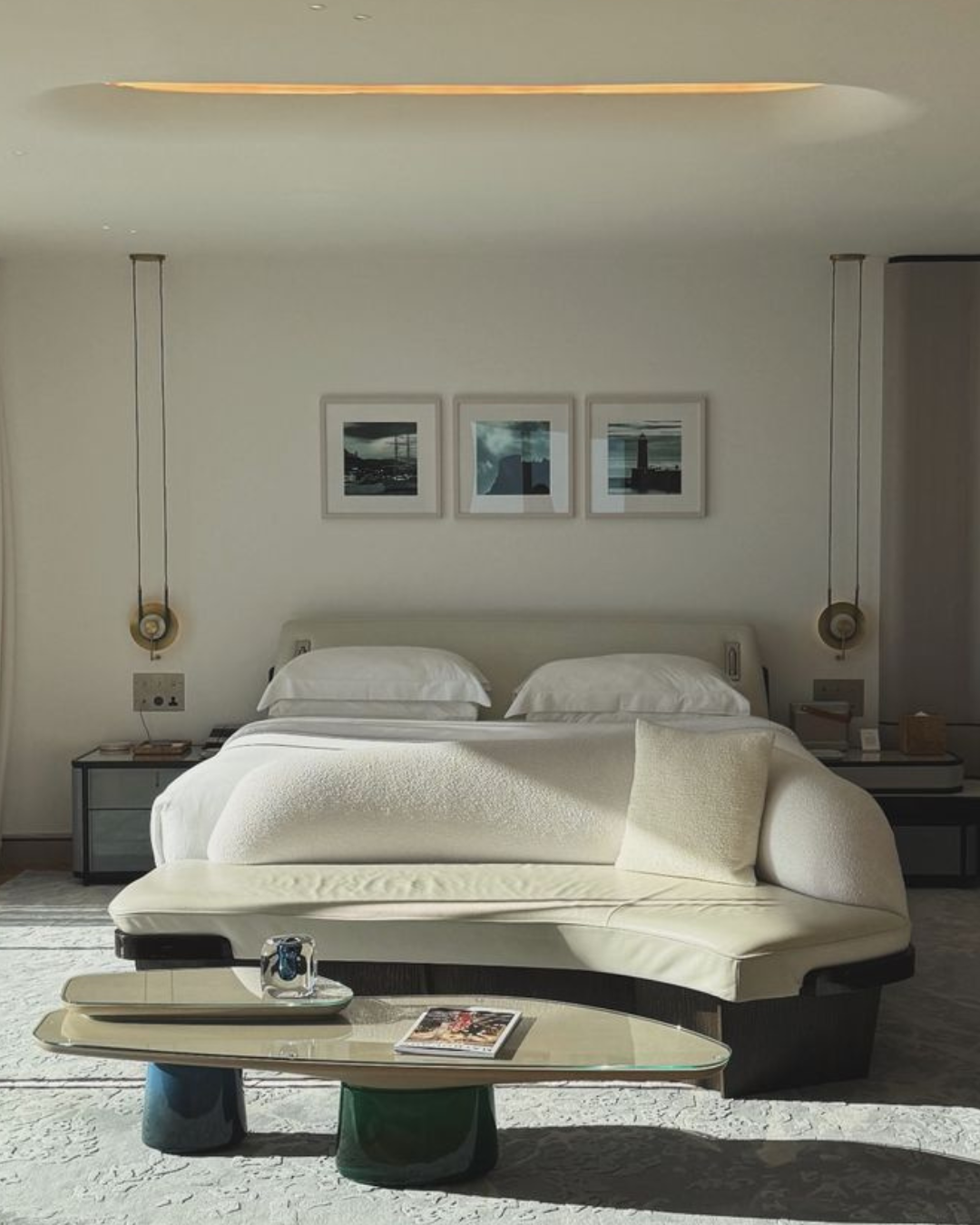
Whilst iconic and nostalgic, the era of the 90s can actually teach us a lot. Restraint and individuality being at the core.
But to truly appreciate the 90s, you can’t isolate it into just one aspect such as interior design or even fashion.
It was a decade that saw the birth of a modern digital culture - a truly transitional period underpinned by music, pop-culture, girl-power and everything in between. It was a diverse landscape with distinct subcultures such as grunge, hip-hop, preppy, rave - each offering an avenue for individuals to belong and showcase their style.
The 90s was a kind of counter culture and an ‘F-You’ to the excessive materialism and style of the 80s. Minimalism, clean lines and neutral back drops set the tone for design. But it certainly didn’t lack personality.
A shift to alternative rock, eclecticism and pop bands gave people a chance to self-express in everything from baggy tees and jeans to understated silk slip dresses.
The metamorphosis of the decade seeped into every aspect of life leading to a strong, unified, yet diverse aesthetic.
Accessories also became an iconic way to make a subtle statement - think chokers, scrunchies, butterfly clips and chunky platform shoes.
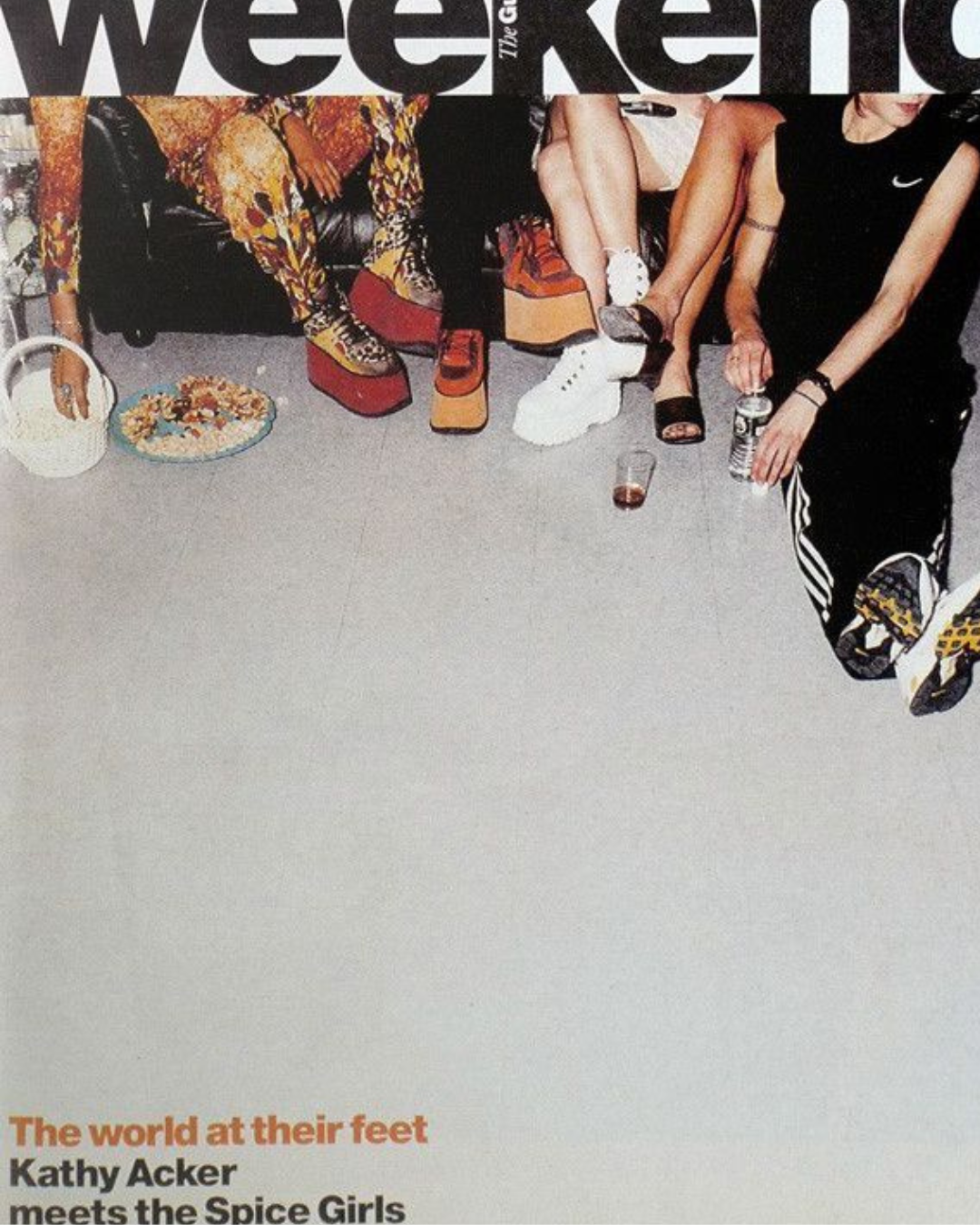
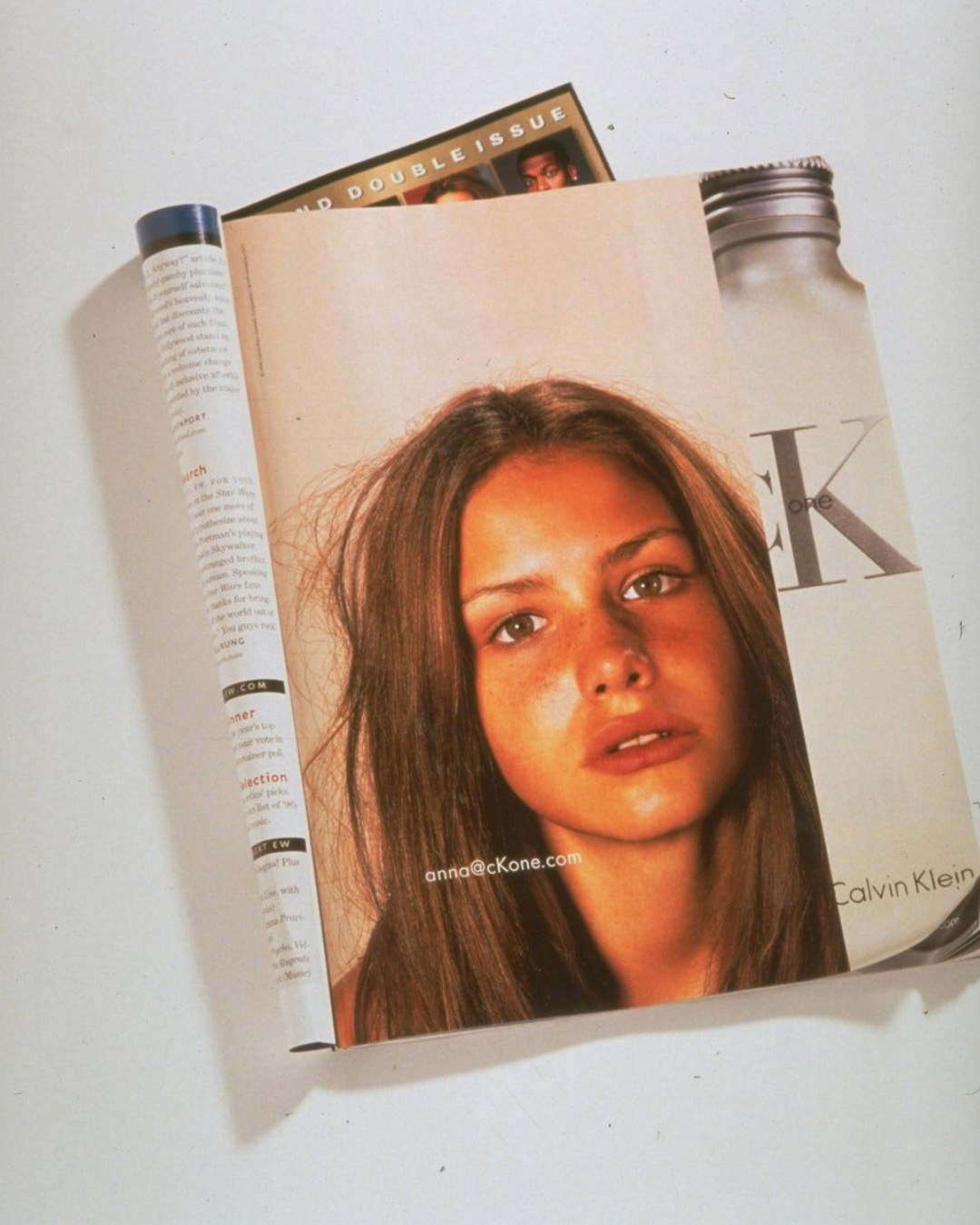
Perhaps, without social media, it wasn’t just the style that was paired back - maybe life was in fact less overstimulated, more connected and a bit more intentional?
I’m interested in this aspect. Yes, it’s fun and nostalgic to take a trip down memory lane - but also, what can we learn from it and bring into present times?
When curated with intention, the reminder of 90s interiors and fashion can offer something deeper than aesthetic appeal. It can give us a time machine to re-capture and re-create a sense of control, a sense of calm, and a more defined alignment with who we are.
The ethos of the 90s gives us a chance to tune out the noise and tune back into individuality and self-expression.
90s Design: Why It Still Resonates
At its core, 90s design aesthetic is about reduction. It asks us to consider what is essential which is similar to the movement of minimalism.
In today’s world of over-consumption, it’s almost like this idea from the 90s was before its time. Maybe it was a small glimpse - a small outlook of what we’d need to cultivate in the future.
When it comes to interior and space design, there’s a sense of psychological clarity in this approach. Spaces feel composed and not crowded. Outfits feel distilled and not overly showy. It’s a visual dialogue that feels relaxed yet also completely defined. Like it has something to say, but it doesn't need to shout to get the point across.
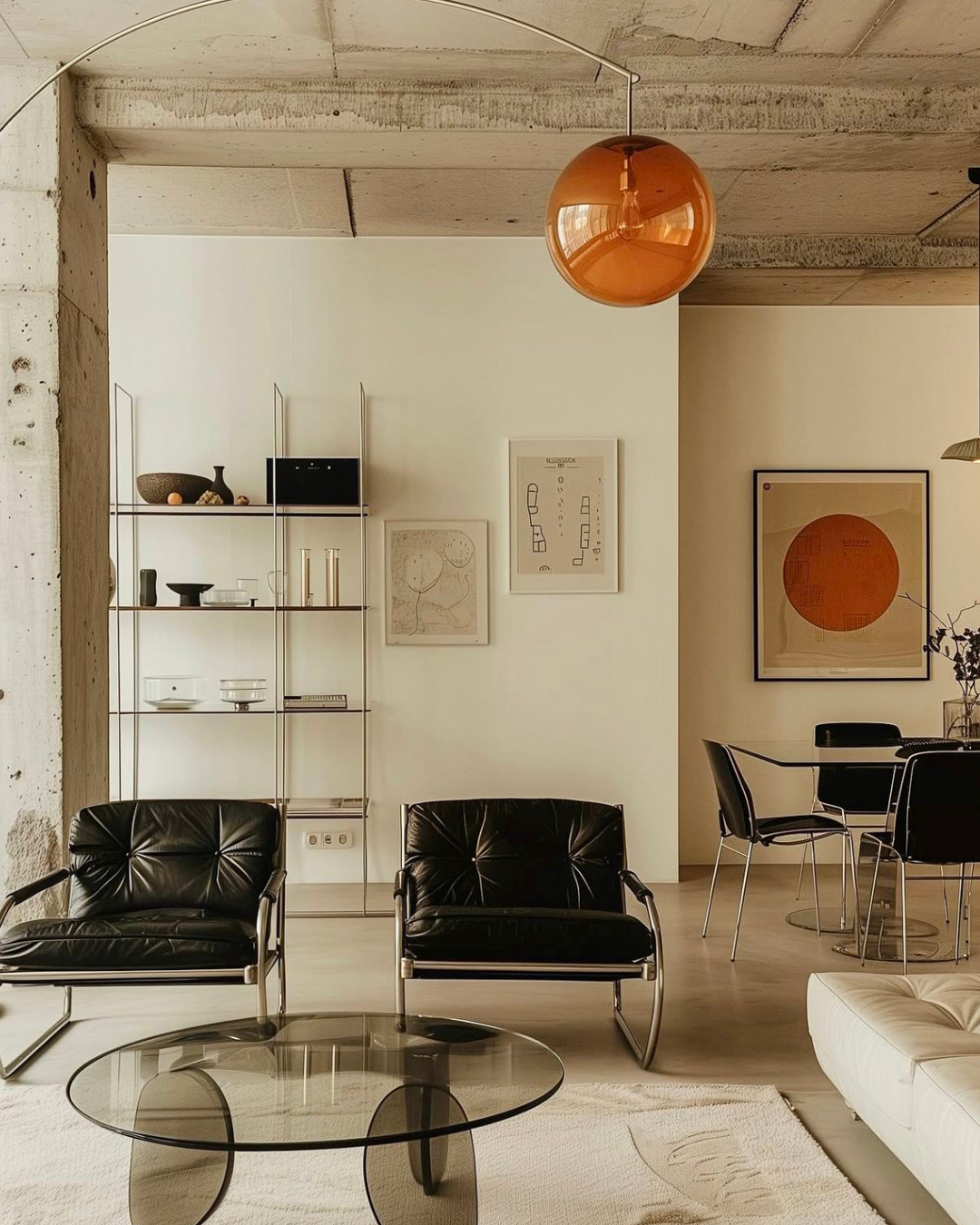
Image Source >Ideal Place > Pinterest
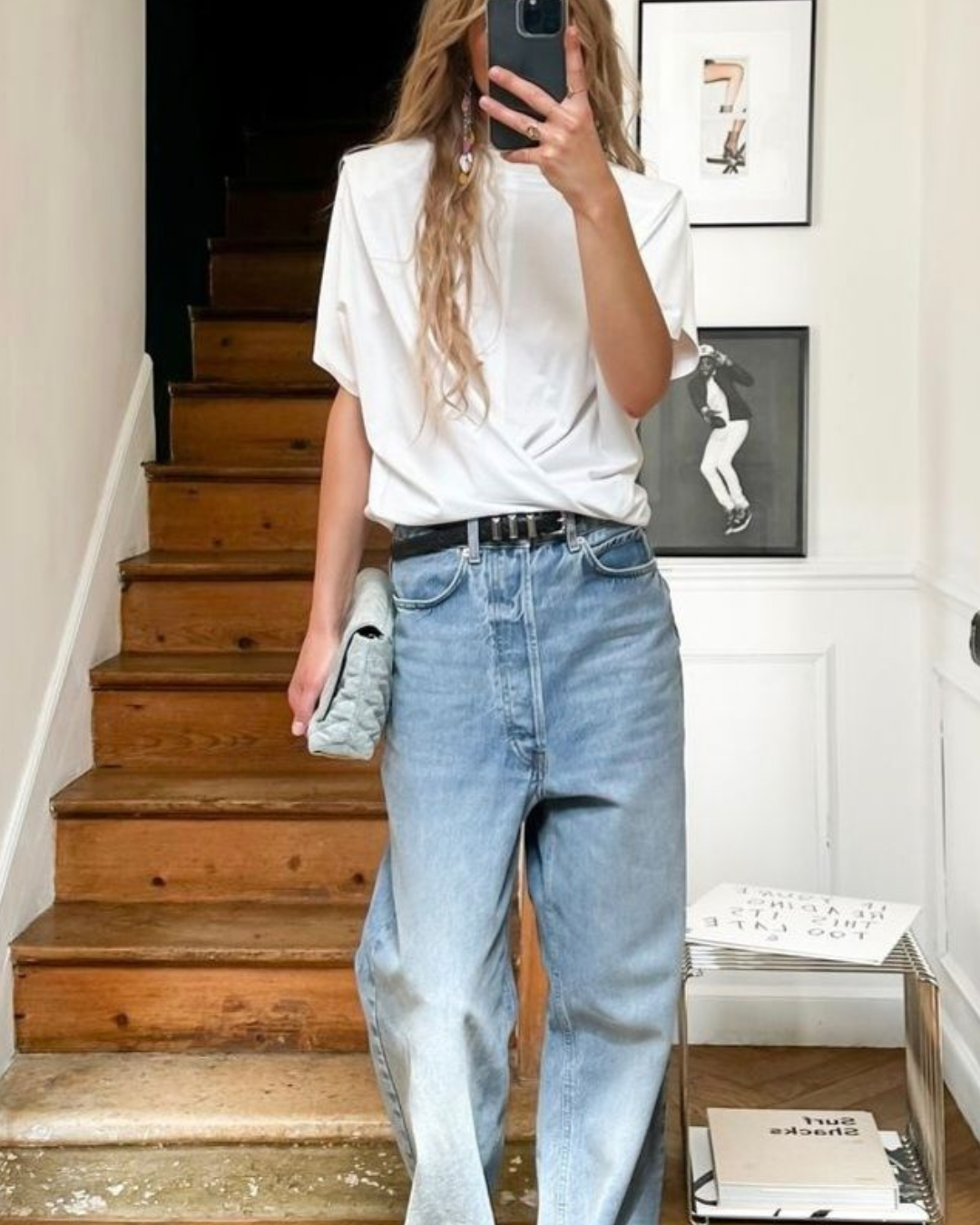
It’s funny, because I still actually dress very similar to the style anchors of the 90s, I just never knew it - minimalist, clean, tonal, intentional, timeless.
Is it because I grew up in the 90s that this is inherent? I’d love to know what you think and if you can draw a link on this too? I mean, the era you were born into I would imagine will naturally have a lifelong influence of some sort right?
Shabby Chic was a 90s style staple. Image Source >SOLI > Pinterest
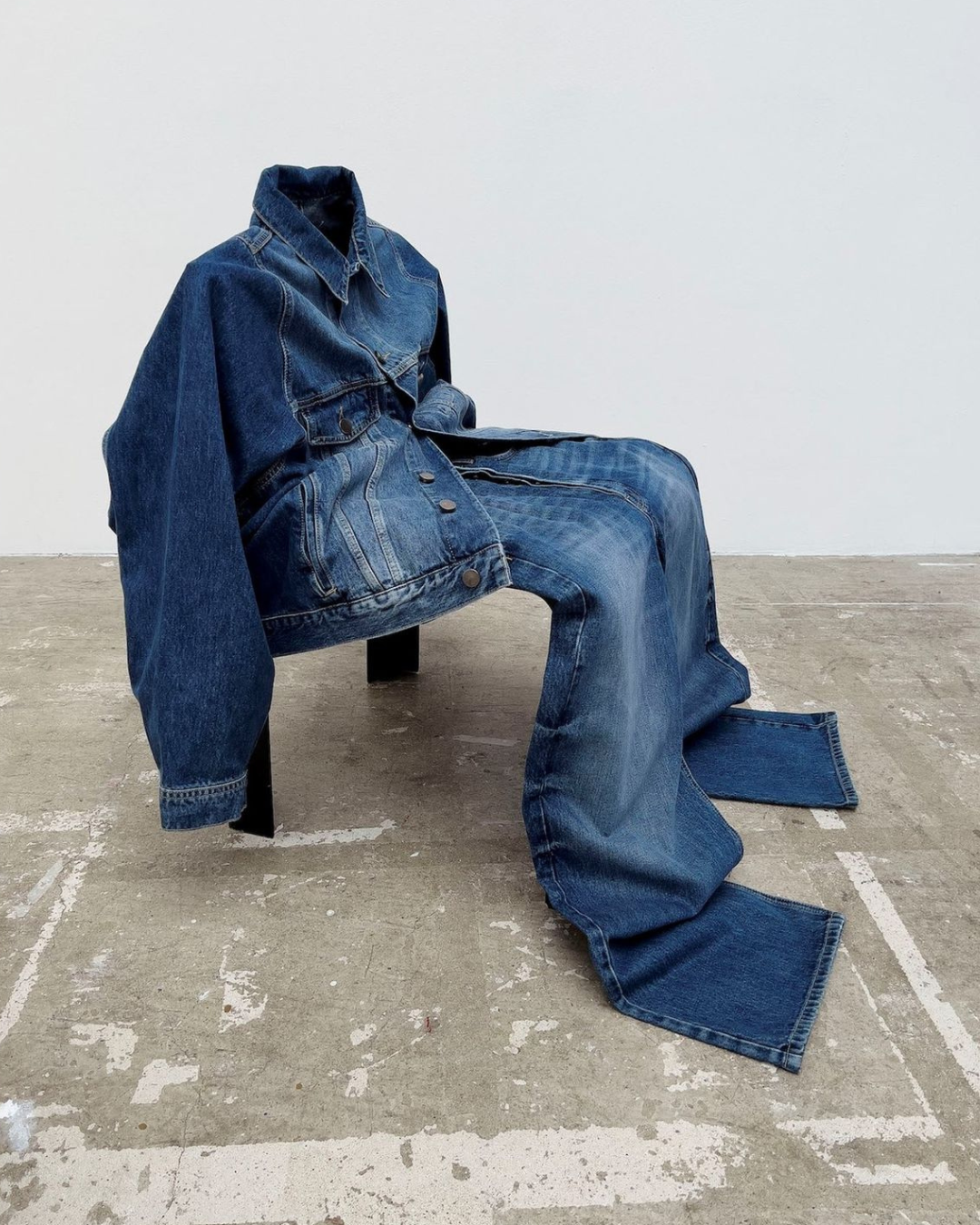
Double denim—often called the "Canadian tuxedo"—became popular in the 90s.
In both 90s interior design and 90s fashion trends, we see:
Muted palettes that regulate rather than stimulate
Clean lines that create structure and ease
Thoughtful layering that feels personal, not excessive
This is where nostalgia meets modern living not in replication, but in refinement and in a design ethos that works on taking key, important principles and applying them based on a values system that adds meaning and significance around how you want to live.
90s Design Aesthetic in Interiors That Still Work Today
When it comes to drawing inspiration from a specific time period, it’s not about recreating it as it was then. That could lead to a space that feels old and dated. Focus on principles, not replication.
Here are three techniques that made the 90s iconic, that are still extremely relevant today.
1. Minimalism with Warmth (Not Starkness)
People often associate minimalism with boring, colourless spaces and that does not need to be the case. In fact in the 90s, they probably didn’t even call it minimalism - it was just an approach that was underpinned by having only what you need and nothing more.
Unlike the colder minimalism that followed, 90s interiors embraced softness - think curves, texture and tonal layering.
Why it works today? It balances clarity with comfort. You feel both held and unburdened.
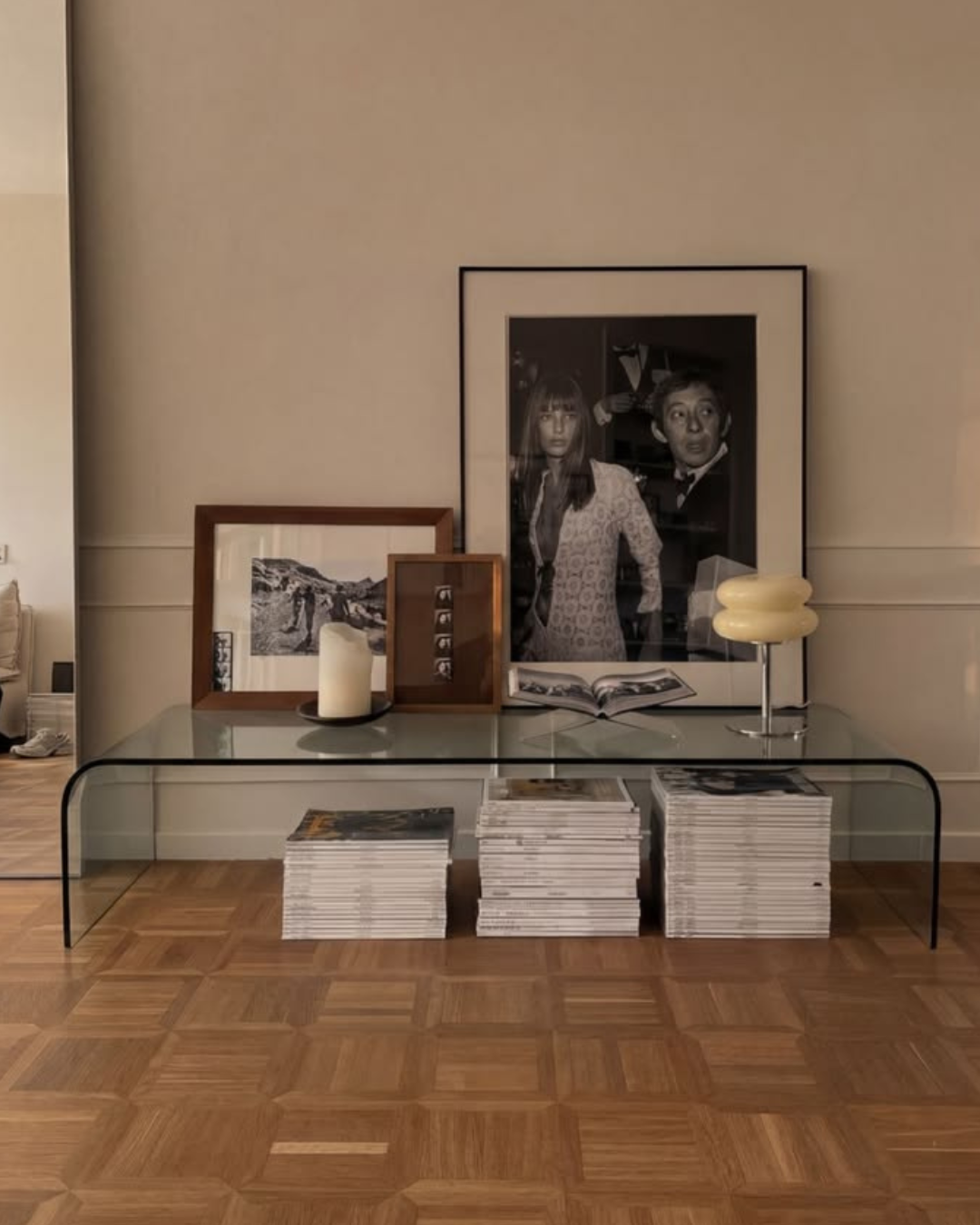
How to compose it:
Work within a restrained palette (2–4 tones max)
Introduce natural materials: timber, stone, plaster, glass
Soften edges through rounded silhouettes and organic shapes
Contrast with clean lines
2. Glass, Chrome & Reflective Surfaces
From glass block walls to chrome accents, reflection played a subtle but powerful role. Why it works today? Reflection expands light and space—essential for cultivating calm.
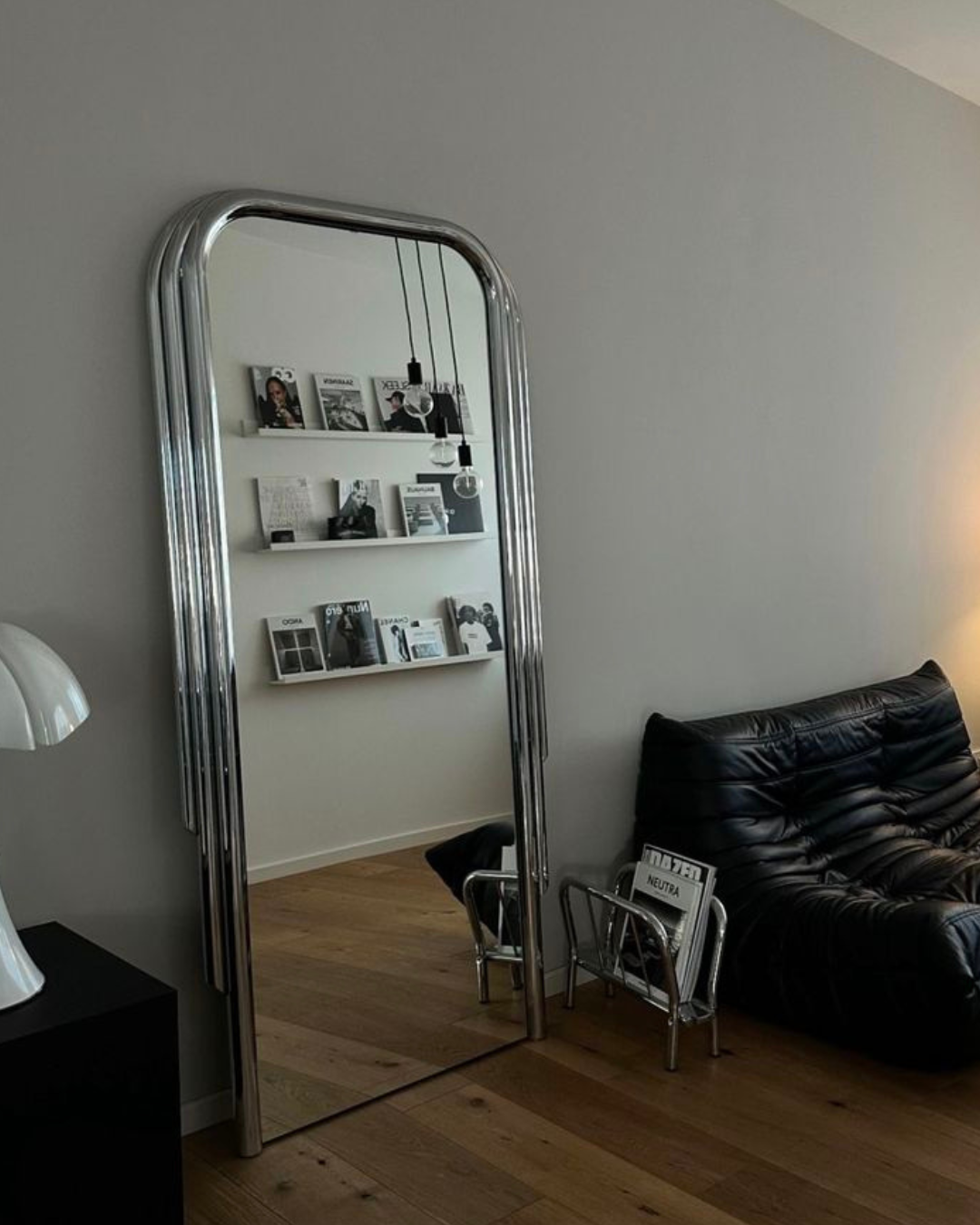
How to elevate it:
Use sparingly: a chrome item such as a lamp or mirror + a glass side table
Balance with matte finishes
Position near natural light to amplify softness
3. Intentional Negative Space
Rooms in the 90s weren’t filled for the sake of it. There was space to observe. Why it works today? Negative space allows the mind to rest. It signals control and clarity.
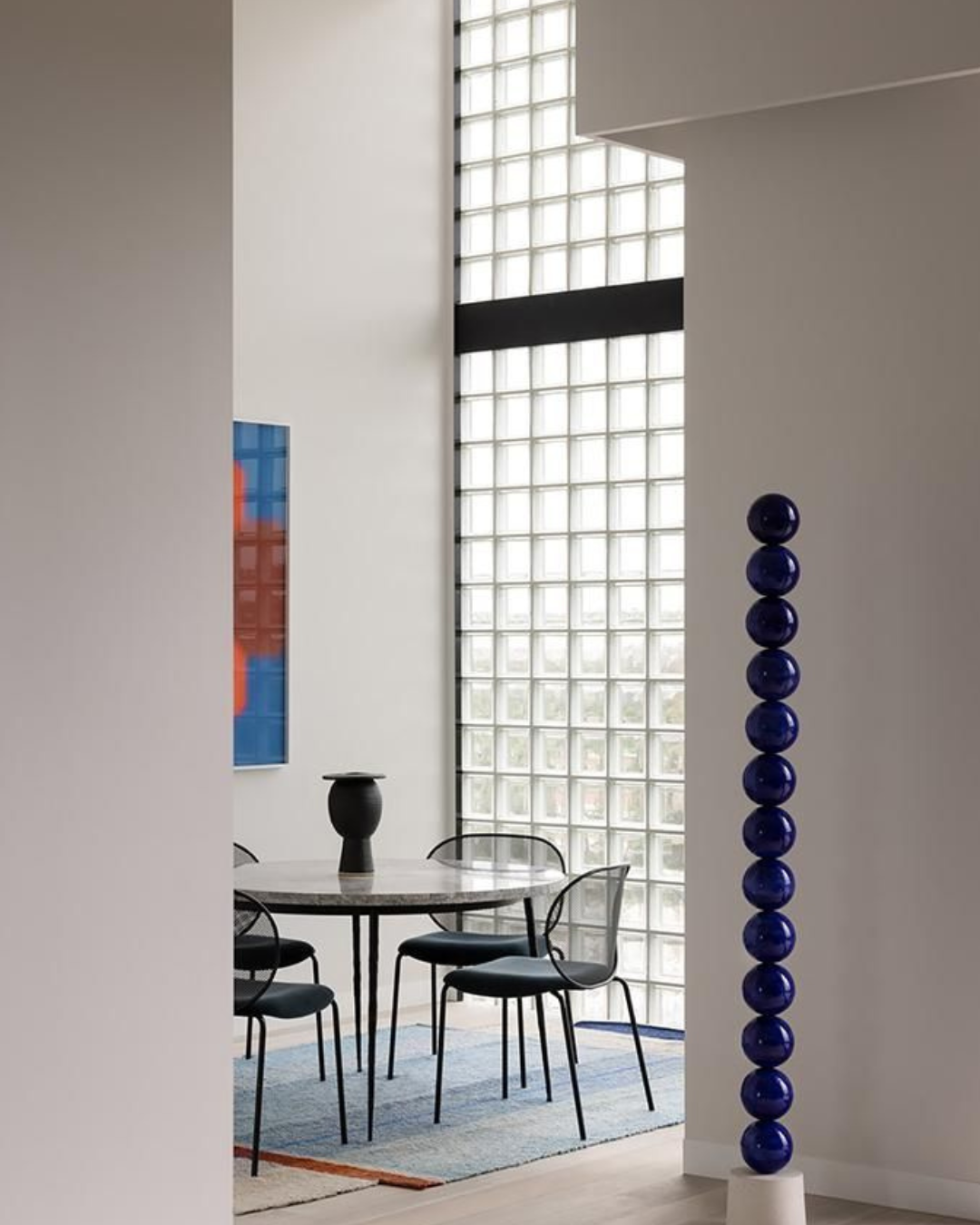
How to edit your space:
Remove one item from every surface
Let key pieces stand alone
Resist over-layering—pause before adding
90s Fashion Trends That Still Feel Relevant
While we’re here, it would be rude not to observe some iconic 90s fashion that still feels chic today.
1. Slip Dresses & Effortless Silhouettes
Bias-cut slips, softened tailoring, and fluid lines defined 90s fashion.
Why it works today? It allows the body to exist without constraint—refined, but not rigid.
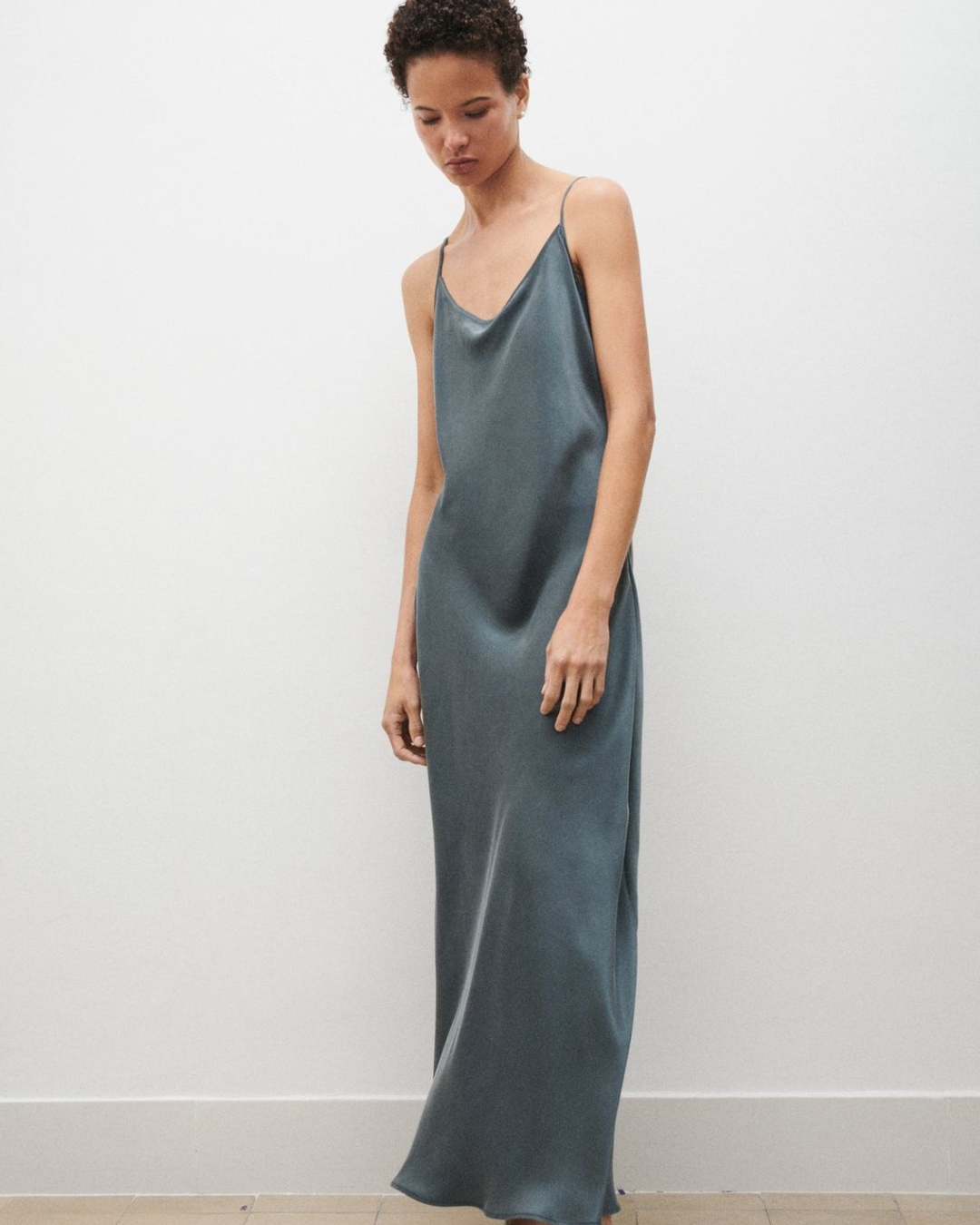
How to style now:
Layer with a structured blazer or leave as is
Keep colour palettes tonal
Pair with minimal accessories
2. Monochrome & Tonal Dressing
Head-to-toe neutrals or layered mono colours.
Why it works today? It simplifies decision-making while elevating presence.
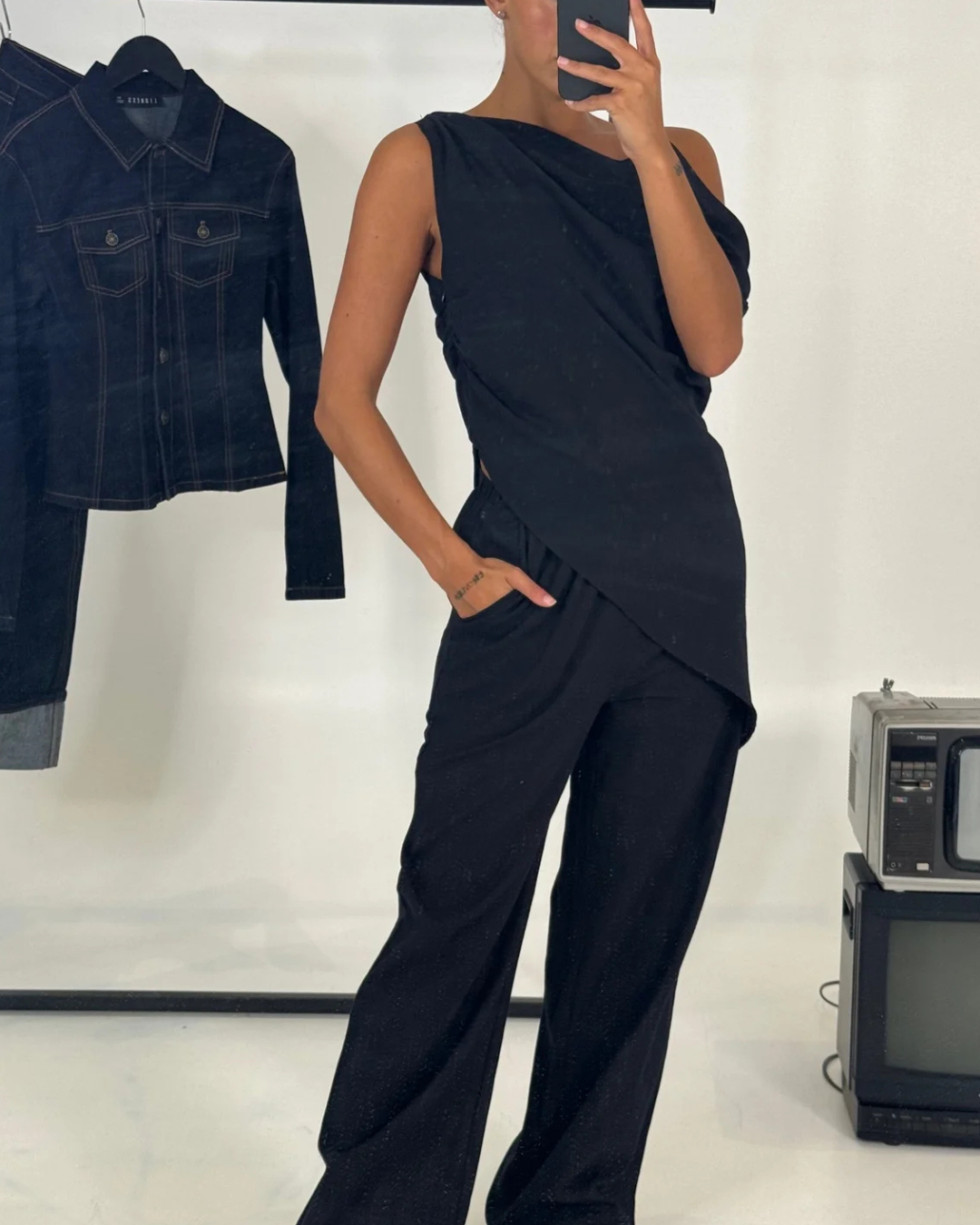
How to refine:
Mix textures within the same tone
3. Understated Accessories
Delicate gold jewellery, leather shoulder bags, pared-back shoes.
Why it works today? It shifts focus from excess to intention.
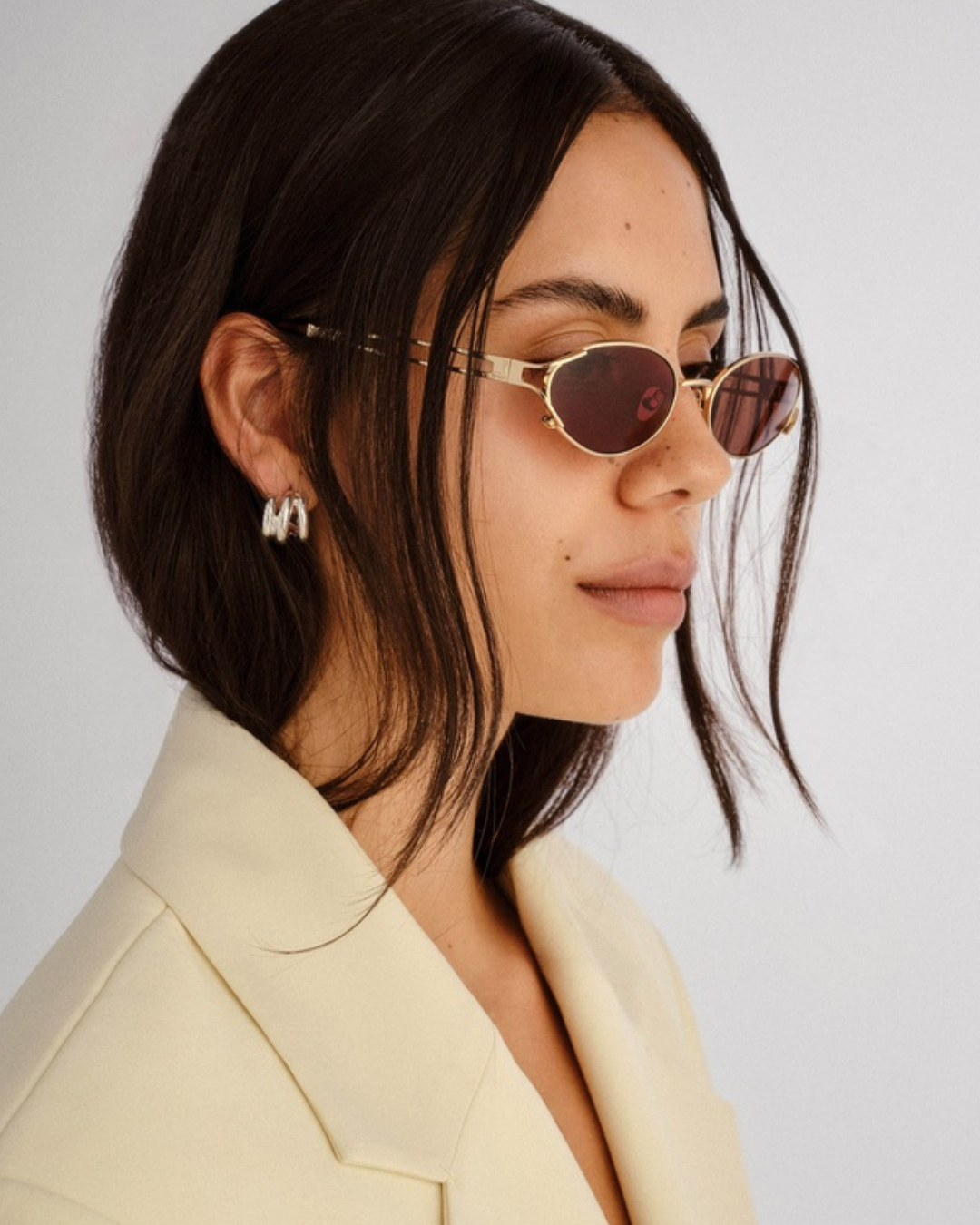
How to curate:
Choose pieces you can wear daily
Edit down to a signature selection
Prioritise quality over quantity
Practical Formula: How to Incorporate 90s Design Today
To bring 90s design into modern interiors and wardrobes, consider this simple framework:
1. Distill
Start by removing visual noise. Edit first, then add.
2. Layer Intentionally
Work within a restrained palette. Introduce variation through texture and even pattern.
3. Soften
Balance structure with curves, light, and tactile materials. Where possible, keep materials natural.
4. Compose
Think of your space and wardrobe as a whole - each element in conversation. I love the idea of a capsule wardrobe - a curated collection of versatile, high-quality and timeless clothing pieces designed to be mixed and matched to create numerous outfits, minimising decision fatigue and clutter. I think this ethos can also be applied to interiors from a styling perspective too.
5. Elevate
Invest in fewer, better pieces that hold presence. This echoes and reiterates the concept above.
The 90s is an idea not a look
When you see the decade through this lens, it really has nothing to do with a ‘90s look’ - it’s a design sensibility that can be transferred across any aspect of life, and I really love that as a framework.
A Philosophy of Editing, Intentionality & Self-Expression
What a beautiful trip down memory lane. I’m not going to lie, there have been times in the past where when I’ve looked back to the 90s (mainly myself in it), and I’ve had small moments of cringe. But now, fast-forward to my 30s and I have so much love and appreciation for a decade that made me, and so many others, into who we are today.
What a privilege to grow up in the 90s - a truly transitional decade in so many ways. An aesthetic that was born out of philosophy and the environment of shifting times.
It teaches us to edit with intention. To create space not just around us, but within us. Just like we did back then.
Continue the Conversation
For more ideas and conversations around consciously editing your life and style, join the Marx Mode Community. MODE is where we share our liveable editorial philosophy on interior culture and modern living. Get curated discoveries, considered perspectives and collected inspiration straight to your inbox - simply subscribe below.